=== ANCHOR POEM ===
╔═════════════════════════════════════════════════════─────────────────────────────┐
║ ┌──────────────────────┐                                                         │
║ │ CW: games            │                                                         │
║ └──────────────────────┘                                                         │
║                                                                                  │
║                                                                                  │
║ The difference between tactics and strategy is a level of abstraction.           │
║                                                                                  │
║ Tactics are crucial, but context dependent. Strategy is ALWAYS useful as a       │
║ method of planning.                                                              │
║                                                                                  │
║ If you typically play base-builder games like Starcraft or Age of Empires, try   │
║ playing a game like Supreme Commander or Factorio - both of them are one level   │
║ of abstraction up.                                                               │
║                                                                                  │
║ If you typically play arcade turn-based strategy games like Civilization or      │
║ Catan, try going up a level of abstraction with Dominions 6, or any game         │
║ developed by Paradox Interactive like Hearts of Iron, Crusader Kings, or         │
║ Stellaris.                                                                       │
║                                                                                  │
║ If you tend to play luck-based games like Poker or Monopoly, try playing an      │
║ actual game instead of resolving a system that's predetermined by the initial    │
║ board state and results of chance-based-mechanics with minor (if any) input      │
║ from players, like perhaps Star Realms, Magic the Gathering, or Dungeons and     │
║ Dragons. Each highlight a different type of choice in their mechanics. You       │
║ should probably try all three if you care about strategy.                        │
╟─────────┐                                                            ┌───────────┤
║ similar │                       chronological                       │ different │
╚═════════╧══════════════════════════════════════════──────────────────┴──────────┘

=== SIMILARITY RANKED ===

--- #1 fediverse/1602 ---
╔═══════════════════════════════════════════════════───────────────────────────────┐
║ @user-1037                                                                       │
║                                                                                  │
║ those all seem really cool though! They all kinda have the same basic UI tho,    │
║ kinda feel like there's opportunities for different kinds of expression. Like,   │
║ in game design there's a lot of different genres, and yeah sidescrollers         │
║ include mario and sonic but they're both very different experiences. So too      │
║ perhaps could we interact with our computers by programming them in more         │
║ engaging ways.                                                                   │
║                                                                                  │
║ they say some people are visual learners, others need to be taught, some         │
║ people need to watch someone else doing it, and a few might just learn by        │
║ plugging their brains into a computer and downloading a black belt in kung fu.   │
║                                                                                  │
║ Maybe typing long paragraphs of logic makes sense for some people, I know for    │
║ most it doesn't come naturally. Maybe some people are more used to like,         │
║ looking at maps that you can examine at different levels of abstraction. Like    │
║ players who play Paradox games zooming from a national perspective to states     │
║ and individuals and all the other things they might want to strategize using.    │
║ Or m                                                                             │
╟─────────┐                                                            ┌───────────┤
║ similar │                       chronological                       │ different │
╚═════════╧════════════════════════════════════════────────────────────┴──────────┘

--- #2 fediverse/4135 ---
═══════════════════════════════════════════════════════════────────────────────────
 part of being a good leader is being able to listen to criticism and adjust.
 it's just... part of navigating your "idea-space-environment". Like... what's
 the best tactical decision here? are we going in the right way? where is the
 objective? whose lives will have to perish?

 good news is that you can do that every-day, whenever you play strategic video
 games. It's just practice of course, but the game mechanics that have been
 made available to you are the tools you can use to undertake this particular
 sport. The sport of leadership, a game or mo-del.

 as long as the mechanics line up to what the real world conditions are like -
 NO. That's not true! you can learn meta-insights that are useful too. By
 minimizing the processing to only the levers that you pull to get through the
 job, you remove a lot of other informational calculatory methods of doing
 things too.

┌─────────┐                                                           ┌───────────┐
│ similar │                       chronological                       │ different │
╘═════════╧╧════════════════════════════════════════════════════───────────────────────┘

--- #3 messages/383 ---
════════════════════════════════════════════════════───────────────────────────────
 the most successful strategy is always to strike from a position of strength.
 whether that be timing or power, the goal is to defeat the problem that lies
 before you. One by one, problems are solved, until at last you're through the
 worst of it. Then it's just a matter of expressing dominance, and "this is how
 thing's're gonna be."
┌─────────┐                                                           ┌───────────┐
│ similar │                       chronological                       │ different │
╘═════════╧╧═════════════════════════════════════════════──────────────────────────────┘

--- #4 fediverse/2616 ---
══════════════════════════════════════════════════════─────────────────────────────
 hi everyone it's wednesday night which means it's time for my weekly Dominions
 6 strategy podcast - you probably recognize this as something I do weekly so
 you're probably not paying too much attention because it's more of the same
 stuff which I've been doing for a while that you probably don't have to worry
 about because if --- anyways you can listen to it at the link below: or here's
 some highlights:

 it's important to take the initiative, because those with the initiative have
 the ability to determine the scope and nature of the engagement of their foe,
 meaning they can tailor the contest to their strengths rather than that of
 their enemies

 it's important to strike at a foe's flanks, but when paired with the
 initiative this means you'll have to identify a strategy that would work well,
 maximize it, and develop a counter-plan for the enemy's counter-plan that they
 apply to your main strategy. The winner has TWO total strategies, the second
 of which addresses your foe's contestation of your main strategy.
┌─────────┐                                                           ┌───────────┐
│ similar │                       chronological                       │ different │
╘═════════╧╧═══════════════════════════════════════════════────────────────────────────┘

--- #5 fediverse/4685 ---
══════════════════════════════════════════════════════════════─────────────────────
 ┌───────────────────────────┐
 │ CW: video-games-mentioned │
 └───────────────────────────┘


 In games, the one who takes the initiative often wins. Because games are
 designed to be symmetrical, in order to be fair.

 In more complex games, Paradox games for example, games where you look at maps
 or otherwise have unequal starting conditions simply due to the unique nature
 of each team, the initiative, while an advantage, is not necessarily the
 driving force that determines who wins.

 But it is an advantage, and they say that sometimes weeks happen in months and
 years happen in days or whatever.
┌─────────┐                                                           ┌───────────┐
│ similar │                       chronological                       │ different │
╘═════════╧╧═══════════════════════════════════════════════════════────────────────────┘

--- #6 fediverse/3101 ---
═══════════════════════════════════════════════════════────────────────────────────
 if you don't have a lot of time but still like games, like for example a new
 parent or if you're focused on your career or always traveling, I recommend
 the game

 Star Realms

 in the digital version, which can be played on a phone or computer, has a mode
 called "48 hour turns" where each of your moves has time to think for two
 entire days. Most of the time you won't need two days, but it gives time to
 work on other things.

 for people who enjoy this mode, it is not uncommon to have 3-5 games running
 at once. When they have time, they can play as many as they can, and as long
 as they're keeping up with it there's very little chance they'll lose time.

 kinda like words with friends, except space strategy.
┌─────────┐                                                           ┌───────────┐
│ similar │                       chronological                       │ different │
╘═════════╧╧════════════════════════════════════════════════───────────────────────────┘

--- #7 fediverse/209 ---
═══════════════════════════════════════════────────────────────────────────────────
 ┌──────────────────────────┐
 │ CW: dungeons-and-dragons │
 └──────────────────────────┘


 osr vs 5e style D&D has a subtle distinction that I think often goes
 unnoticed. In osr games (and often in the early levels of 5e style games)
 characters are encouraged to conserve their resources simply due to the fact
 that they have so few of them at their disposal. While higher levels encourage
 you to be more consumptive of your talents and virtues - for example a 6th
 level character has more spell slots than a level 2 character, meaning the 6th
 level character is going to be casting all the time while the level 2 will
 probably use just a handful of spells per day.

 unless you run a style of game where long rests become less frequent as you
 level up. like... exploring a LARGE dungeon means there's little chance for
 sleep. Especially if you are being hunted.
┌─────────┐                                                           ┌───────────┐
│ similar │                       chronological                       │ different │
╘═════════╧╧════════════════════════════════════───────────────────────────────────────┘

--- #8 fediverse/895 ---
═══════════════════════════════════════════════────────────────────────────────────
 most video game ideas suck

 most of the time they're like "oh what if we had a racoon who found a magic
 hat and saved the world from sentient apple blossoms"

 that's not a game idea, that's a painting

 a game is mechanics, and you can use the aesthetic to justify the mechanics,
 but not generally the other way around.

 the art isn't bad, but the art isn't the game. a game idea is "what if
 tic-tac-toe had an extra square in the center" or "what if chess was played
 with checkers, to hide your moves from your opponent"

 there have been thousands of super mario bros. if games were designed as an
 API, we could use whatever visuals we wanted, and those could be copyrighted
 and sold if you really want. but mechanics are the basis for everything they
 are built on, so doesn't it make sense to separate the two? abstracting the
 logic such that two complementary functions are accomplished, [see code editor
 idea], more flavors of game could be produced.

 rulesets can be switched in and out too, as an API is just an engin
┌─────────┐                                                           ┌───────────┐
│ similar │                       chronological                       │ different │
╘═════════╧╧════════════════════════════════════════───────────────────────────────────┘

--- #9 fediverse/4515 ---
╔═══════════════════════════════════════════════════════════───────────────────────┐
║ in strategy, the first move is always public knowledge, while the second is in   │
║ reaction to the first, as a contestation.                                        │
║                                                                                  │
║ This is good design because well designed games reflect reality, and the first   │
║ move is very rarely a surprise. Timing can shock you, methods can scare you,     │
║ but the strategic goals are almost always known in advance to both sides.        │
║                                                                                  │
║ The third move is to challenge your foe's advances while striking in a new,      │
║ unexpected way. The fourth almost always addresses the unexpected, often with    │
║ force out of proportion to the impact of the third, leaving the second to be     │
║ defeated by the first and third in tandem. The fifth is a feint, as the first    │
║ and third come to bear against the fourth, while the sixth is a rapid retreat    │
║ and attempt to regroup. The seventh should strike where they intend to be, not   │
║ where they are. Beyond that you must press your advantages and shore up your     │
║ critical weaknesses, while sacrificing the weaknesses that are not part of       │
║ your win condition.                                                              │
║                                                                                  │
║ These rules are not set in stone                                                 │
╟─────────┐                                                            ┌───────────┤
║ similar │                       chronological                       │ different │
╚═════════╧════════════════════════════════════════════════────────────┴──────────┘

--- #10 messages/29 ---
═══────────────────────────────────────────────────────────────────────────────────
 The reason players don't talk on mics in Overwatch at low  ranks is because
 nobody else is. So they spend extra effort on tracking the enemy team that
 could be supplied by team member call outs. Like "Reaper flanking right" or
 "Hog no hook" or heck even "rezzing" and "15 seconds on rez" or "I have
 [insert ultimate]"

 That's all data they have to gather themselves, so it's extra brainpower that
 can't be focused on the game because it's spent in other ways (namely by
 listening to team call outs) and if you have 75% of your brain on just staying
 alive and winning fights, then you'll have less brain power available both to
 communicate and to listen and integrate communication. Like being aware of the
 game state and positioning are all cerebral tasks and if your cerebral center
 is so focused on short term reflex things like mechanical skill then there's
 less available to allocate
┌─────────┐                                                           ┌───────────┐
│ similar │                       chronological                       │ different │
╘══───────┴┴───────────────────────────────────────────────────────────────────────────┘

--- #11 fediverse/290 ---
╔═══════════════════════════════════════════───────────────────────────────────────┐
║ you're supposed to play the same games as your friends so that you all learn     │
║ the same lessons at the same times. creates for a more cohesive familiar         │
║ structure.                                                                       │
║                                                                                  │
║ applies also to family movie nights... but it's much more apparent with games    │
║ as you'll often play them for weeks, months, and sometimes even years if you     │
║ keep learning and enjoying them... book clubs are too open to interpretation,    │
║ your pathways don't get a chance to align. games are perfect because they        │
║ imply reaction.                                                                  │
║                                                                                  │
║ also helps if they're multiplayer, so you can share with another. preferably     │
║ with healthy, respectful competition and a sense of shared brotherhood and       │
║ trust.                                                                           │
║                                                                                  │
║ the toughest opponents are the ones that aren't aggressive. the ones that let    │
║ you grow uncontested. by taking only neutral resources they guarantee that       │
║ your growth isn't impeded, as after all an equal foe is what you learn best      │
║ from.                                                                            │
║                                                                                  │
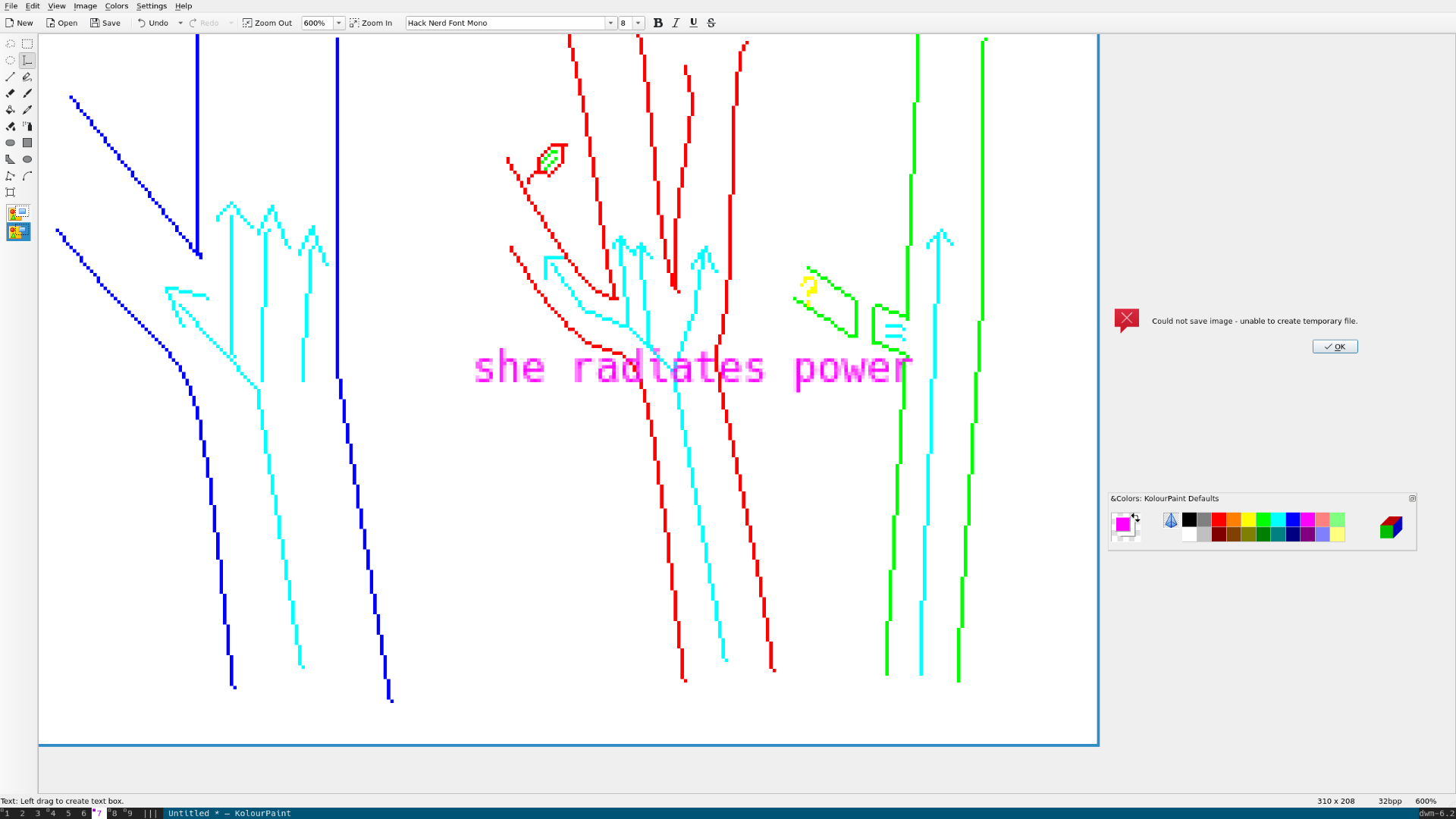
║ to a tree, the loss of a branch (cleanly cut) would feel like an empowering of   │
║ the main limb. inspiring it to reach higher and beyond... +h2o1                  │
╟─────────┐                                                            ┌───────────┤
║ similar │                       chronological                       │ different │
╚═════════╧════════════════════════════════────────────────────────────┴──────────┘

--- #12 fediverse/2947 ---
╔══════════════════════════════════════════════════════────────────────────────────┐
║ the downside of Proton and Lutris is now the ONLY games that work on Steam are   │
║ either continually updated (untenable) or playable on Lutris or Proton. Same     │
║ thing with Wine, though there's always at least one decent substitute.           │
║                                                                                  │
║ kinda makes me want to write a manager-style program which runs programs using   │
║ whichever version of their git repository would work best for their system /     │
║ configuration / purposes. Idk how I would start working on that though.          │
║                                                                                  │
║ I bet you could make one that acted like a shop, but where you didn't charge     │
║ any dollars. You could like... "swipe" through UI options, and pick whichever    │
║ felt most useful for your setup. Like, how some people use i3 and some use dwm   │
║                                                                                  │
║ with maybe inspectors that are modeled off of video-game style "options" GUIs    │
║ that mainly correspond to flags on the command/terminal line or compilation      │
║ flags                                                                            │
║                                                                                  │
║ I feel like that kind of abstraction would make it a lot easier for users to     │
║ adjust their system. they're noobs, after all. gotta show them all the choices   │
║ in one place...                                                                  │
╟─────────┐                                                            ┌───────────┤
║ similar │                       chronological                       │ different │
╚═════════╧═══════════════════════════════════════════─────────────────┴──────────┘

--- #13 fediverse/3248 ---
═══════════════════════════════════════════════════════────────────────────────────
 ┌───────────────────────────────────────────────────────────────────────┐
 │ CW: the-sound-a-gong-makes-except-solid-steel-(vibratory-patterns-in- │
 └───────────────────────────────────────────────────────────────────────┘


 the trick to strategy is to overcome your weaknesses with minimal expenditure
 of resources. Making better decisions optimizes for the most optimal
 performances.

 practice makes perfect.

 just as there are infinite anti-derivatives of zero, (the derivative of any
 constant (the derivative of any number of equations)) so too are there
 infinite perspectives from which you can perceive the same object. Therefore,
 no understanding can be assumed to be true, as the path you are on only speaks
 in adjacents. almost any things.

 like the tips of a triforce moving outward from a central point.

 and the people, the other half of our minds,

 those are the ones you speak to. The thoughts that run alongside your mind.

 an eternal orbit, like two stars spinning and rotating and [lol I've been
 instructed to stop, brb gonna play some video games =P]

 (did you know that the colors red and blue are meant to instil panic? it's the
 most panicking colors around!!]
┌─────────┐                                                           ┌───────────┐
│ similar │                       chronological                       │ different │
╘═════════╧╧════════════════════════════════════════════════───────────────────────────┘

--- #14 fediverse/3063 ---
═══════════════════════════════════════════════════════────────────────────────────
 @user-570

 true. the "massively multiplayer" aspect of WoW is about as important to the
 game as the "A" is in "ARPG".

 I can't help but feel like the "impromptu groups" functionality feels a bit
 better than matchmaker instancing... though anything worth running a group for
 in WoW after TBC was instanced >.>

 Honestly I think there's just too many games these days for people to really
 get "into" MMORPGs, unless they're sufficiently unique in their mechanics
 (like EVE or Runescape)

 any ARPG MMOs are dead on launch, as you said. That design space is tapped
 out, at least for now, until someone comes along and makes it a deckbuilding
 roguelike or whatever. cough cough
┌─────────┐                                                           ┌───────────┐
│ similar │                       chronological                       │ different │
╘═════════╧╧════════════════════════════════════════════════───────────────────────────┘

--- #15 fediverse/5177 ---
═══════════════════════════════════════════════════════════════════────────────────
 ┌─────────────────────────────────────┐
 │ CW: capitalism-mentioned-four-times │
 └─────────────────────────────────────┘


 when they say "capitalism is a competitive game" what they mean is "capitalism
 is a game where everyone wins when someone else loses" and what we hear is
 "capitalism is a game of trying to screw you out of as much money as possible"
 and the truth is "capitalism is a game that you can't play" because 95% of the
 people who will read this toot are not stock-owners.
┌─────────┐                                                           ┌───────────┐
│ similar │                       chronological                       │ different │
╘═════════╧╧════════════════════════════════════════════════════════════───────────────┘

--- #16 fediverse/2254 ---
╔═════════════════════════════════════════════════════─────────────────────────────┐
║ "fortune favors the bold" is actually a real mechanism in game theory.           │
║                                                                                  │
║ if you act first, if you have the initiative, you can determine the nature and   │
║ scope of the contest with your foe.                                              │
║                                                                                  │
║ in turn-based games of course it's more explicit, as each action begets a        │
║ reaction, but in real-time games (where time flows as it does in reality) the    │
║ mechanism is just as apparent.                                                   │
║                                                                                  │
║ if you focus attention in one area, you can strike where they're weak. like      │
║ Alexander keeping his foes busy with a massive frontline of solid, defensible    │
║ troops while his companion cavalry would ride around the side and hit their      │
║ flanks and rear.                                                                 │
║                                                                                  │
║ game theory is just strategy viewed from the other end, and it matters what we   │
║ think because what we think defines what we do.                                  │
║                                                                                  │
║ ... also, fear is the great paralyzer. fear is a call to action, fear is your    │
║ soul speaking straight to you.                                                   │
║                                                                                  │
║ but fear is just nerves, it's just excitement before the leap - you have faith   │
║ in this bungee/ this parachute/ the water where you'll be safe, right? My        │
║ faith is in y                                                                    │
╟─────────┐                                                            ┌───────────┤
║ similar │                       chronological                       │ different │
╚═════════╧══════════════════════════════════════════──────────────────┴──────────┘

--- #17 fediverse/1028 ---
═══════════════════════════════════════════════────────────────────────────────────
 there's this really fun video game I like to play called "Legion TD  2" - it's
 based on a Warcraft3 mod.

 In this game, you make tactical and strategic decisions on a fixed term - a
 competitive game between 4 or 8 players with an incredible array of randomness.

 it teaches you to work with what you got, and to make decisions based on your
 opponent's weaknesses. Good luck figuring out what they are, though, as you
 can't just memorize them out of a book. You need to adapt, in the moment, to
 the decisions of your foes, while primarily focusing your attention on
 accomplishing a different task.

 I really like it because it's taught me to be strategic in plenty of other
 ways. I used to love the game Overwatch because it required adaptibility. The
 game was always changing, so no strategy stuck forever, but every match you'd
 play against a slightly different opponent.

 but then Blizzard changed the game because they wanted to make more money, and
 it got worse and worse at what I liked about it. Sadface. : (
┌─────────┐                                                           ┌───────────┐
│ similar │                       chronological                       │ different │
╘═════════╧╧════════════════════════════════════════───────────────────────────────────┘

--- #18 fediverse/1027 ---
╔══════════════════════════════════════════════────────────────────────────────────┐
║ @user-246                                                                        │
║                                                                                  │
║ one thing you can rely on about evil: it presents itself as such.                │
║                                                                                  │
║ "you can always rely on bad people to turn mean."                                │
║                                                                                  │
║ (nobody's beyond forgiveness, but we also need to protect ourselves.)            │
║                                                                                  │
║ in video games, going with a defensive build is a valid strategy depending on    │
║ how it's values align. If attacking scales better than defending, in terms of    │
║ "effectiveness at the most difficult part" (usually the last 90% takes 10% of    │
║ the effort) then it's a better strategy. But if your win condition is to         │
║ outlast your opponent, then all you need to do is time your aggression for       │
║ when they begin fracturing.                                                      │
║                                                                                  │
║ "I'm sure you don't know this, but once garth fought a dragon. they crashed      │
║ through the skies and littered the fields of their home with the broken and      │
║ crashed symbols of their own. garth defeated the dragon when one of it's claws   │
║ broke, thus giving him the advantage. he took from that fight a shield of        │
║ dragonscale, and a tabard made out of some cloth."                               │
║                                                                                  │
║ in a contest of wills, the first sign of weakness is whe                         │
╟─────────┐                                                            ┌───────────┤
║ similar │                       chronological                       │ different │
╚═════════╧═══════════════════════════════════─────────────────────────┴──────────┘

--- #19 notes/game-design-2 ---
═════════════════════════════════──────────────────────────────────────────────────
 the method of game design is identification of playstyles and the balancing of
 success rates of each of those playstyles. then, giving the player as many
 different possible methods of playing the game. the more different they are,
 the
 better, and they should be unique enough that the decisions taken to play that
 playstyle feel impactful. meaning, a player could play offensively or
 defensively, for example, or a WoW player might play a melee or ranged
 character. in addition, they might use the pieces available to them in a unique
 way that aligns with their personality - everyone should be able to express
 themselves as much as possible while also keeping the game fair, balanced, and
 rewarding. It should incentivize the development of skill - and gently guide
 the player through various mistakes. It should
┌─────────┐                                                           ┌───────────┐
│ similar │                       chronological                       │ different │
╘═════════╧╧══════════════════════════─────────────────────────────────────────────────┘

--- #20 notes/star-realms-balancing-tradeoff=2 ---
══════════════════════════════════════════════════════════════════════════════════─
 what if I use equal signs instead of dashes, so prevent people from assuming
 they're duplicates?

 hmm okay.

 right so anyway the star realms balancing tradeoff between combat and authority
 is measured against the duration of a hand (does it fit balanced between other
 cards of it's playcost) instead of balancing it for the duration of the game
 (how long does the player want the game to go on for) one of which is just
 inverse combat damage / healing, and the other of which is an enablement of
 different strategems.

 put this in symbeline-gen-realms please
┌─────────┐                                                           ┌───────────┐
│ similar │                       chronological                       │ different │
╘═════════╧╧═══════════════════════════════════════════════════════════════════════════┘
|