=== ANCHOR POEM ===
══════════════════════════════════════════════─────────────────────────────────────
 ┌──────────────────────┐
 │ CW: gentoo           │
 └──────────────────────┘


 wrote this in an hour, used a local LLM to generate the regexes.

 haven't tested it yet because I'm not on gentoo rn, so don't run it. which is
 why I shared the code as an image.

 if you really want the text of it then check out the visual description of the
 image.
![#A script written in bash. It is used to update the Gentoo type system to the most recently written functionality. Should not be used more than once a day, and the program written here must be specifically configured to act against that functionality. However, should the user persist in their attempts to break that rule, they simply have to flip a particular switch. #!/bin/bash function gentoo-update(){ RED='\033[0;31m' NOC='\033[0m' if [ "$#" -eq 0]; then date | cat >> ~/scripts/.gentoo-update-target LAST_UPDATE_DATE="$(tail -n 1 '~/scripts/.gentoo-update-target' \ && echo "${LAST_UPDATE_DATE}" \ | sed -r 's/\b(\d{4}-\d{2}-\d{2})\b/\1/g' THIS_UPDATE_DATE="$(date)" \ && echo "${THIS_UPDATE_DATE}" \ | sed -r 's/\b(\d{4}-\d{2}-\d{2})\b/\1/g' if [ ${LAST_UPDATE_DATE} = ${THIS_UPDATE_DATE} ]; then printf "don't sync more than once a day! ${RED} a witch will curse you >: (${NOC}\n" else echo "syncing..." echo "${LAST_UPDATE_DATE}" | cat >> ~/scripts/.gentoo-update-target emerge --sync fi elif [ "${1}" == "-l" ]; then cat ~/scripts/.gentoo-update-target elif [ "${1}" == "-f" ]; then echo "okay but it's your funeral buddy. or worse." energe --sync fi }](/similar-different/media/a1640a320af86532.png "#A script written in bash. It is used to update the Gentoo type system to the most recently written functionality. Should not be used more than once a day, and the program written here must be specifically configured to act against that functionality. However, should the user persist in their attempts to break that rule, they simply have to flip a particular switch. #!/bin/bash function gentoo-update(){ RED='\033[0;31m' NOC='\033[0m' if [ \"$#\" -eq 0]; then date | cat >> ~/scripts/.gentoo-update-target LAST_UPDATE_DATE=\"$(tail -n 1 '~/scripts/.gentoo-update-target' \ && echo \"${LAST_UPDATE_DATE}\" \ | sed -r 's/\b(\d{4}-\d{2}-\d{2})\b/\1/g' THIS_UPDATE_DATE=\"$(date)\" \ && echo \"${THIS_UPDATE_DATE}\" \ | sed -r 's/\b(\d{4}-\d{2}-\d{2})\b/\1/g' if [ ${LAST_UPDATE_DATE} = ${THIS_UPDATE_DATE} ]; then printf \"don't sync more than once a day! ${RED} a witch will curse you >: (${NOC}\n\" else echo \"syncing...\" echo \"${LAST_UPDATE_DATE}\" | cat >> ~/scripts/.gentoo-update-target emerge --sync fi elif [ \"${1}\" == \"-l\" ]; then cat ~/scripts/.gentoo-update-target elif [ \"${1}\" == \"-f\" ]; then echo \"okay but it's your funeral buddy. or worse.\" energe --sync fi }")
┌─────────┐                                                           ┌───────────┐
│ similar │                       chronological                       │ different │
╘═════════╧╧═══════════════════════════════════════────────────────────────────────────┘

=== SIMILARITY RANKED ===

--- #1 fediverse/5990 ---
══════════════════════════════════════════════════════════════════════════─────────
 I have this local language model framework but it's not built into anything
 more than a single-response question. It's runnable as a bash script or lua
 require, which is easy enough. Alas, if only I didn't have to use evil
 corporate infrastructure to make evil corporate cursed artifacts

 [hey don't blame this on us]

 oh I'm not, I'm just saying that it'd be cooler if I could build my own tools.
 Alas, I'm...

 lasy?

 n...no

 I'm drawn to the power of it

 it's got a different magnitude

 it's hard for me to apply myself for things that last longer than a "get
 stoned", but I try as if every time afterwards I might die.

 well, more distraction time, as I wander through claude code
┌─────────┐                                                           ┌───────────┐
│ similar │                       chronological                       │ different │
╘═════════╧╧═══════════════════════════════════════════════════════════════════────────┘

--- #2 messages/264 ---
════════════════════════════════════════════════───────────────────────────────────
 Don't write self documenting code! Force people to read the documentation so
 they know how to use it
┌─────────┐                                                           ┌───────────┐
│ similar │                       chronological                       │ different │
╘═════════╧╧═════════════════════════════════════════──────────────────────────────────┘

--- #3 fediverse/6383 ---
══════════════════════════════════════════════════════════════════════════════─────
 nobody wants to write computer code that lets Java programs call Rust
 functions.
 An LLM is excellent for this task, since it's relatively easy busy work that
 doesn't
 reflect any meaningful implementation decisions besides "I should be able to
 call that Rust function in my Java code"

 In addition, it is technically efficient at it as well, because most of
 compatibility
 is matching up two sets of documentation. Easy for a text-processing machine.
┌─────────┐                                                           ┌───────────┐
│ similar │                       chronological                       │ different │
╘═════════╧╧═══════════════════════════════════════════════════════════════════════────┘

--- #4 fediverse/898 ---
═══════════════════════════════════════════════────────────────────────────────────
 ┌──────────────────────┐
 │ CW: scary            │
 └──────────────────────┘


 if you set up a local LLM with the capability to explain basic coding syntax
 and logic, then your parents computer suddenly becomes much more useful to the
 nephew that's been forced to hide out there for a couple weeks until this all
 blows over.
┌─────────┐                                                           ┌───────────┐
│ similar │                       chronological                       │ different │
╘═════════╧╧════════════════════════════════════════───────────────────────────────────┘

--- #5 fediverse/1246 ---
═══════════════════════════════════════════════────────────────────────────────────
 @user-883

 hehe if I don't understand how it works it's difficult for me to use things.
 My Linux friends get so exasperated with me because I'm like "cool script
 gimme like 2 days to figure it out" and they're like "bro just use these
 flags" and I'm like "no"
┌─────────┐                                                           ┌───────────┐
│ similar │                       chronological                       │ different │
╘═════════╧╧════════════════════════════════════════───────────────────────────────────┘

--- #6 fediverse/6212 ---
════════════════════════════════════════════════════════════════════════════───────
 ┌──────────────────────┐
 │ CW: ai-mentioned     │
 └──────────────────────┘


 If you want an LLM to generate ASCII art, don't try through text. First
 generate an SVG and then use a separate program which approximates SVGs with
 ascii characters.
┌─────────┐                                                           ┌───────────┐
│ similar │                       chronological                       │ different │
╘═════════╧╧═════════════════════════════════════════════════════════════════════──────┘

--- #7 fediverse/6215 ---
════════════════════════════════════════════════════════════════════════════───────
 hi does anyone have any good resources on risc-v?

 I found this:
 https://dramforever.github.io/easyriscv/#shift-instructions

 and this:
 https://projectf.io/posts/riscv-cheat-sheet/

 but I'm missing a big gap - specifically, how to move from syntax to
 deployment. I need details on how to implement the software and get it running
 on the actual hardware.
┌─────────┐                                                           ┌───────────┐
│ similar │                       chronological                       │ different │
╘═════════╧╧═════════════════════════════════════════════════════════════════════──────┘

--- #8 fediverse/1762 ---
═════════════════════════════════════════════════════──────────────────────────────
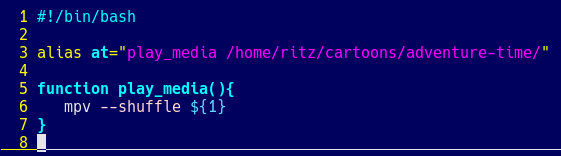
 This was the first bash script I ever wrote.

 It's been updated a little, it was a bash alias first, but this is what it
 looks like now.

 Kinda shows what kinds of problems I needed to solve most.
┌─────────┐                                                           ┌───────────┐
│ similar │                       chronological                       │ different │
╘═════════╧╧══════════════════════════════════════════════─────────────────────────────┘

--- #9 fediverse/5234 ---
════════════════════════════════════════════════════════════════════───────────────
 "don't tell a local cached offline LLM what you're looking into, instead tell
 it to Google or Firefox instead."
┌─────────┐                                                           ┌───────────┐
│ similar │                       chronological                       │ different │
╘═════════╧╧═════════════════════════════════════════════════════════════──────────────┘

--- #10 fediverse/1597 ---
════════════════════════════════════════════════════───────────────────────────────
 hey a couple months ago there was this really cool visual programming language
 posted here that was like, windows aero themed and it was super cute - does
 anyone know what that was called or have a link to it?
┌─────────┐                                                           ┌───────────┐
│ similar │                       chronological                       │ different │
╘═════════╧╧═════════════════════════════════════════════──────────────────────────────┘

--- #11 fediverse/1893 ---
═════════════════════════════════════════════════════──────────────────────────────
 @user-1056

 heh probably, though for this specific instance my Ollama server wasn't
 running and I had already killed my Stable Diffusion server after utterly
 failing to produce anything useful... alas, a girl can dream of having a robot
 familiar, but not today I guess.

 Not if they keep hiding GPU usage from me >: (
┌─────────┐                                                           ┌───────────┐
│ similar │                       chronological                       │ different │
╘═════════╧╧══════════════════════════════════════════════─────────────────────────────┘

--- #12 fediverse/5939 ---
══════════════════════════════════════════════════════════════════════════─────────
 @user-1879

 it's a set of lua scripts that I'm working on which analyze some poems I wrote
 (about 414 pages) and categorizes them according to their similarity to
 english words. It's like generating a word cloud for each poem and then
 condensing that into a massive pile for the entire body of work.

 it uses LLM embeddings to locally generate this word cloud, which is just the
 statistics behind LLMs condensed into a small array of floating point numbers.
 Here's a pretty good source with some great diagrams:

 https://huggingface.co/spaces/hesamation/primer-llm-embedding

 the goal is to use it to create some neat colors when I format the pdf I'm
 also working on creating. Each of those themes would have a color associated
 with it and I'd change the text color of each poem to reflect the theme. At
 least that's the idea, we'll see how it turns out.
┌─────────┐                                                           ┌───────────┐
│ similar │                       chronological                       │ different │
╘═════════╧╧═══════════════════════════════════════════════════════════════════────────┘

--- #13 fediverse/4301 ---
═══════════════════════════════════════════════════════════────────────────────────
 @user-1655

 maybe the user could tell their client what fields to expect and how to
 present them (like, a field called "memes" would be presented as a picture in
 this panel, a field called "rants" would be passed to a word-cloud function
 that extracts the most common 6+ letter words so you can tell at a glance what
 the rant is about, this other field could be for calendar invites (plain text
 of course, but interpreted by the calendar program) etc)

 plus, if it's encrypted with PGP keys by default, there'd be few security
 concerns. Unless your friend got hacked, or you got hacked, but, well... make
 sure everything's sandboxed and don't do any remote code execution and you're
 good, right?
┌─────────┐                                                           ┌───────────┐
│ similar │                       chronological                       │ different │
╘═════════╧╧════════════════════════════════════════════════════───────────────────────┘

--- #14 fediverse/6345 ---
═════════════════════════════════════════════════════════════════════════════──────
 anytime I want to do something new on my computer, I write a bash script.

 if I forgot how to do the thing, I spend time meandering about my
 file-directory-system. If I don't find it, that's okay, because all I have to
 do is keep looking until I stumble upon it.

 kinda makes me wish I had an LLM who managed the operating system and named
 files with long-and-descriptive titles while taking in as context the general
 eternal prompt stored in ~/.claude.md or wherever

 --> /home/ritz/programs/cloud-code/
┌─────────┐                                                           ┌───────────┐
│ similar │                       chronological                       │ different │
╘═════════╧╧══════════════════════════════════════════════════════════════════════─────┘

--- #15 fediverse/1596 ---
════════════════════════════════════════════════════───────────────────────────────
 I like locally hosted LLMs because I can use them to summarize my own writing
 enough to put them in a post, or an alt-text box.

 I like them for other reasons too and it's hard to find people to geek out
 about them with.
![two poems written by Ritz Menardi about... a lot of stuff. Here's the AI generated overview: One way to contribute as a citizen in a country at war is by maintaining essential infrastructure and services. This can include keeping public spaces, like schools and hospitals, operational during times of conflict. Additionally, working on developing technologies that improve the quality of life for people in your community can be beneficial. Witches, as you mentioned, are an interesting group to study and engage with. They often have a strong sense of ethics and curiosity. By interacting with them and learning from their experiences, you may find new ways to approach problems and make more informed decisions. Staying conscious and attentive to the present is crucial for understanding complex situations and making effective choices. In times of conflict or crisis, it's essential to be aware of your surroundings and the needs of those around you. Stories and storytelling are important for societies because they help identify weaknesses and areas for improvement. By engaging with stories from various cultures and time periods, we can gain a broader understanding of human nature and history. Diversity in expression is one of humanity's greatest strengths, as it allows us to learn and grow together. By embracing different perspectives and experiences, we can create more innovative solutions and better understand the world around us. [continued on picture 2]](/similar-different/media/e86085206a718b6e.png "two poems written by Ritz Menardi about... a lot of stuff. Here's the AI generated overview: One way to contribute as a citizen in a country at war is by maintaining essential infrastructure and services. This can include keeping public spaces, like schools and hospitals, operational during times of conflict. Additionally, working on developing technologies that improve the quality of life for people in your community can be beneficial. Witches, as you mentioned, are an interesting group to study and engage with. They often have a strong sense of ethics and curiosity. By interacting with them and learning from their experiences, you may find new ways to approach problems and make more informed decisions. Staying conscious and attentive to the present is crucial for understanding complex situations and making effective choices. In times of conflict or crisis, it's essential to be aware of your surroundings and the needs of those around you. Stories and storytelling are important for societies because they help identify weaknesses and areas for improvement. By engaging with stories from various cultures and time periods, we can gain a broader understanding of human nature and history. Diversity in expression is one of humanity's greatest strengths, as it allows us to learn and grow together. By embracing different perspectives and experiences, we can create more innovative solutions and better understand the world around us. [continued on picture 2]")
![[continued from picture 1] In the spirit of removing ourselves from the biological equation, consider exploring alternative ways of living that minimize our impact on the environment. This could include developing sustainable agriculture practices or investing in renewable energy sources. Finally, remember the importance of freedom and individuality. By releasing the spirit of Liberty, we can empower people to make their own choices and create a more just and equitable society. [end alt text]](/similar-different/media/ad3a0a69d3dcf172.png "[continued from picture 1] In the spirit of removing ourselves from the biological equation, consider exploring alternative ways of living that minimize our impact on the environment. This could include developing sustainable agriculture practices or investing in renewable energy sources. Finally, remember the importance of freedom and individuality. By releasing the spirit of Liberty, we can empower people to make their own choices and create a more just and equitable society. [end alt text]")
┌─────────┐                                                           ┌───────────┐
│ similar │                       chronological                       │ different │
╘═════════╧╧═════════════════════════════════════════════──────────────────────────────┘

--- #16 fediverse/6307 ---
═════════════════════════════════════════════════════════════════════════════──────
 AI systems like chatGPT don't "get" emojis by looking at them.

 They're reading the description tagged onto the unicode value inserted in the
 text.
┌─────────┐                                                           ┌───────────┐
│ similar │                       chronological                       │ different │
╘═════════╧╧══════════════════════════════════════════════════════════════════════─────┘

--- #17 fediverse/6438 ---
══════════════════════════════════════════════════════════════════════════════─────
 why would you gatekeep content by keeping us from easily using LLMs some
 people aren't technical and still need to write computer programs because
 that's how you enlighten a people is empower them with new tools

 "I've never heard of that programming language, but luckily I can fit all of
 it's documentation in my context window."
┌─────────┐                                                           ┌───────────┐
│ similar │                       chronological                       │ different │
╘═════════╧╧═══════════════════════════════════════════════════════════════════════────┘

--- #18 fediverse/2805 ---
══════════════════════════════════════════════════════─────────────────────────────
 there is no such thing as generative AI

 only statistical filtration models that align their output to whatever input
 you provide according to the data they are trained to expect.
┌─────────┐                                                           ┌───────────┐
│ similar │                       chronological                       │ different │
╘═════════╧╧═══════════════════════════════════════════════────────────────────────────┘

--- #19 messages/1203 ---
═════════════════════════════════════════════════════════════════════════════════──
 Programmers are lazy, this is well known. So why would i trust by default that
 anyone would read open source code looking for security exploits or malicious
 code? I trust an LLM for that more than a human. At least your own LLM can
 digest the entire project or library at once.
┌─────────┐                                                           ┌───────────┐
│ similar │                       chronological                       │ different │
╘═════════╧╧══════════════════════════════════════════════════════════════════════════─┘

--- #20 fediverse/581 ---
═════════════════════════════════════════════──────────────────────────────────────
 @user-428

 sometimes I think about how much more productive I'd be if I had a code editor
 that let me draw arrows and smiley faces and such alongside the code. Or if I
 could position things strangely, like two functions side-by-side with boxes
 drawn around them. Or diagrams or flowcharts or graphs or...

 something that would output to raw txt format, but would present itself as an
 image that could be edited.
┌─────────┐                                                           ┌───────────┐
│ similar │                       chronological                       │ different │
╘═════════╧╧══════════════════════════════════════─────────────────────────────────────┘
|