-> file: fediverse/6061
═══════════════════════════════════════════════════════════════════─────────────────
what if (hear me out)
what if instead of TCP we just did a constant stream of UDP packets until the
recipient said "OKAY OKAY I GET IT"
┌─────────┐ ┌───────────┐
│ similar │ chronological │ different │
╘═════════╧════════════════════════════════════════════════════════────┴───────────┘
-> file: fediverse/5977
═══════════════════════════════════════════════════════════════════─────────────────
apparently you can use network sockets for inter-process communication if you
just set the network to your home and the ports that are set to the defaults
that people who know what software you use will know to listen on when they've
hacked any single device on your network. good thing that data is with the
router, right?
what if there was a stop before leaving the computer?
┌─────────┐ ┌───────────┐
│ similar │ chronological │ different │
╘═════════╧════════════════════════════════════════════════════════────┴───────────┘
-> file: fediverse/3574
══════════════════════════════════════════════════──────────────────────────────────
@user-1564
I love the concept of this! Maybe if HTTP is too complex, you could try another
simpler server? I don't know the complexity of the programs I use every day,
but I'm sure there's one that's very simple. Even just a simple IRC style chat
server that just... sends text from person A to person B depending on their
username (like a glorified Router or Switch)
Reminded of this video tbh...:
https://www.youtube.com/watch?v=gGfTjKwLQxY
┌─────────┐ ┌───────────┐
│ similar │ chronological │ different │
╘═════════╧═══════════════════════════════════════─────────────────────┴───────────┘
-> file: fediverse/875
══════════════════════════════════════════──────────────────────────────────────────
@user-192
block input/output TO the protocol? versus the other one which blocks the
input/output protocol
┌─────────┐ ┌───────────┐
│ similar │ chronological │ different │
╘═════════╧═══════════════════════════════─────────────────────────────┴───────────┘
-> file: fediverse/4474
═════════════════════════════════════════════════════───────────────────────────────
@user-1268
if you know how to program in C this is a good resource for building networking
applications:
https://beej.us/guide/bgnet/
┌─────────┐ ┌───────────┐
│ similar │ chronological │ different │
╘═════════╧══════════════════════════════════════════──────────────────┴───────────┘
-> file: fediverse/6432
══════════════════════════════════════════════════════════════════════──────────────
any .exe or other binary program can send arbitrary packets and nobody will
know except the people running wireshark which is public information as far as
your computer is concerned, as all they'd need to do is grep ps with bash
commands which are callable from within essentially every programming language.
for them, they don't show adblockplus. [ublock origin lol]
┌─────────┐ ┌───────────┐
│ similar │ chronological │ different │
╘═════════╧═══════════════════════════════════════════════════════════─┴───────────┘
-> file: fediverse/5110
════════════════════════════════════════════════════════════────────────────────────
I'll give ya a hint - encrypt the return IP address WITHIN the packet's data
package repository area itself, rather than trusting your "router" to return it
to sender.
YOU DON'T KNOW WHO IS SENDING A PACKET
that's the whole point of udp
(actually udp is when it doesn't matter if it got snatched in transit. Usually
used for more analog data streams like netflix or hulu prime.)
┌─────────┐ ┌───────────┐
│ similar │ chronological │ different │
╘═════════╧═════════════════════════════════════════════════───────────┴───────────┘
-> file: fediverse/1493
════════════════════════════════════════════────────────────────────────────────────
Thin clients are great if you can rely on network connectivity. Like if it's
wired with ethernet.
┌─────────┐ ┌───────────┐
│ similar │ chronological │ different │
╘═════════╧═════════════════════════════════───────────────────────────┴───────────┘
-> file: fediverse/3349
══════════════════════════════════════════════════──────────────────────────────────
@user-1074
my understanding is, if someone wanted to create something like that, they
should start with writing protocols instead of standards, much the same way
Activitypub or HTTP are protocols for a free and open internet.
┌─────────┐ ┌───────────┐
│ similar │ chronological │ different │
╘═════════╧═══════════════════════════════════════─────────────────────┴───────────┘
-> file: fediverse/5559
═══════════════════════════════════════════════════════════════─────────────────────
@user-1850
why not just reduce the number of ping checks to see if they're still
connected? if nobody's talking then why bother sending nothing to nowhere?
the bandwidth for silence is free.
┌─────────┐ ┌───────────┐
│ similar │ chronological │ different │
╘═════════╧════════════════════════════════════════════════════────────┴───────────┘
-> file: messages/1245
═════════════════════════════════════════════════════════════════════════───────────
BRB, if you want to talk to yourselfs, I recommend opening a port in your
router and exchanging HTTP packets that create messages on each other's
computers. Can be done in a couple hundred lines of C code that can be 90%
premade or auto-generated. Then, once it's made, you don't have to think about
it again because it's so simple. It's not trying to scale, it's just...
designed for a small, focused, human oriented mindset.\
┌─────────┐ ┌───────────┐
│ similar │ chronological │ different │
╘═════════╧════════════════════════════════════════════════════════════╧═──────────┘
-> file: fediverse/1621
═══════════════════════════════════════════════─────────────────────────────────────
@user-883
You could buy a domain from a DNS and have it redirect to your computer in
order to obfuscate your IP address. That's what I did for my WoW server.
Downside is you'd have to trust the DNS, so... do you trust your security or
them more?
┌─────────┐ ┌───────────┐
│ similar │ chronological │ different │
╘═════════╧════════════════════════════════════────────────────────────┴───────────┘
-> file: fediverse/1789
═══════════════════════════════════════════════─────────────────────────────────────
@user-883
Ah, well, since you've worked with raspberry pi's before I am going to trust
you on that. Perhaps a different system-on-a-chip could be used which has
better network controllers.
┌─────────┐ ┌───────────┐
│ similar │ chronological │ different │
╘═════════╧════════════════════════════════════────────────────────────┴───────────┘
-> file: fediverse/1476
═══════════════════════════════════════════─────────────────────────────────────────
@user-883
0.0.0.0 doesn't work, just tried. and whatsmyip.com thinks my IP address is the
same : \
┌─────────┐ ┌───────────┐
│ similar │ chronological │ different │
╘═════════╧════════════════════════════════────────────────────────────┴───────────┘
-> file: fediverse/3627
══════════════════════════════════════════════════──────────────────────────────────
┌────────────────────────────┐
│ CW: computer-toucher-stuff │
└────────────────────────────┘
"why putting SSH on a port other than 22 is a bad idea"
https://www.adayinthelifeof.nl/2012/03/12/why-putting-ssh-on-another-port-than-2
2-is-bad-idea/
"*When you are logged onto a system as a non-root user you cannot create a
listing TCP or UDP port below 1024. This is because port numbers below 1024 are
so-called privileged ports and can only be opened by root or processes that are
running as root.*"
thoughts?
┌─────────┐ ┌───────────┐
│ similar │ chronological │ different │
╘═════════╧═══════════════════════════════════════─────────────────────┴───────────┘
-> file: fediverse/482
════════════════════════════════════════────────────────────────────────────────────
@user-246
You're absolutely right. It's easy to think of the internet as this
encapsulated entity "the world", but really it's "the people whose computers
are physically connected to your computer using a limited and tangible piece of
infrastructure comprised of copper wires that are laid between the
router/switch that connects to your computer... and the internet service
provider which directs your traffic. Then it probably goes through some cables
under the ocean or whatever, and eventually after traversing many indeterminate
passthrough locations eventually arrives at the computing infrastructure that
comprises the access point that another person (presumably in another country)
uses to express their thoughts toward you (the person who sent the original
message) in the hopes that you might one day correspond.
I mean... That's a lot of points of failure. I sure hope that we can sustain
such connection, in the face of [redacted, whichever circumstances may come in
the near future]
┌─────────┐ ┌───────────┐
│ similar │ chronological │ different │
╘═════════╧═════════════════════════════───────────────────────────────┴───────────┘
-> file: fediverse/4296
═════════════════════════════════════════════════════───────────────────────────────
@user-1655
why don't we just weaponize email and send json to each other that ends up
parsed, interpreted, and presented on the end-user's computer using whatever
client we want?
┌─────────┐ ┌───────────┐
│ similar │ chronological │ different │
╘═════════╧══════════════════════════════════════════──────────────────┴───────────┘
-> file: fediverse/836
═════════════════════════════════════════───────────────────────────────────────────
my question is if my IP has an address then how come my address +1 doesn't
point to my neighbor
┌─────────┐ ┌───────────┐
│ similar │ chronological │ different │
╘═════════╧══════════════════════════════──────────────────────────────┴───────────┘
-> file: fediverse/1663
═══════════════════════════════════════════════─────────────────────────────────────
@user-1059
the trick is to have a whole bunch of projects so everyone has a different one
downloaded on their phone, meaning they can't inter-operate when the time is
right.
much better, I think, to think in terms of protocols. things like http and pgp
encryption. file-server over bluetooth sending emails through a mesh maybe? or
something more immediate for messages.
like... calculate a path to your target, then for each step create an encrypted
portion and a small "destination" header that is then encrypted so the next guy
in the chain can't see it.
... there's a lot of problems to solve, but using tried-and-true technology in
the unfortunately busted and constrained platforms they give us is difficult.
but not impossible, if you're willing to use tools to create protocols that are
commonly shared, like bluetooth or http or pgp encryption.
... I use Briar for this purpose, for what it's worth. idk if it's a protocol,
I haven't looked into it since I downloaded it during the BLM protests.
┌─────────┐ ┌───────────┐
│ similar │ chronological │ different │
╘═════════╧════════════════════════════════════────────────────────────┴───────────┘
-> file: fediverse/624
═════════════════════════════════════════───────────────────────────────────────────
You know, there's no guarantee that Youtube or Gmail has to show you the EXACT
SAME video or message that your friend shared with you. Or did they even share
it at all? So hard to tell when they know all the communication you've ever
had, because you only know each other online on their platforms, [read: US
government observed platforms] [like, HTTPS] surely there's no room for someone
to sneak in and edit your conversations. Surely the only way to securely
communicate is to send pure PGP encrypted bytes to another target, wrapped in a
TCP/IP header, with unknown intent or expression. Worst they could do then is
just, y'know, block it entirely.
┌─────────┐ ┌───────────┐
│ similar │ chronological │ different │
╘═════════╧══════════════════════════════──────────────────────────────┴───────────┘
-> file: fediverse/1248
═══════════════════════════════════════════─────────────────────────────────────────
@user-883
did you open any ports on your router to do this streaming? Setting up my
laptop so I can test...
I loved assembly when I took a course on it in college - it just made sense to
me. I love C because it feels like, a more powerful version of assembly.
Everything higher level just feels like layers of abstraction on C, or like...
LISP, which hurts my brain. >.>
┌─────────┐ ┌───────────┐
│ similar │ chronological │ different │
╘═════════╧════════════════════════════════────────────────────────────┴───────────┘
-> file: messages/278
════════════════════════════════════════════────────────────────────────────────────
"if we make this part of the program a compressed binary instead of plain text
we could save on network costs by 5%"
NO bad software developer, go back to Linux
┌─────────┐ ┌───────────┐
│ similar │ chronological │ different │
╘═════════╧═════════════════════════════════───────────────────────────┴───────────┘
-> file: fediverse/5398
╔═════════════════════════════════════════════════════════════─────────────────────┐
║ @user-192 │
║ │
║ step one, doesn't it suck how we have to mount drives │
║ │
║ part two, gee I sure wish networking was easier than building packets in C and │
║ pushing them over IP/TCP │
║ │
║ section three, what if every user logged in to the same system of environments │
║ and kept all their data to themselves while contributing compute to various │
║ valuable processing processes like windfall calculations and population density │
║ administrations │
║ │
║ book four, I wish I didn't have to type -p now when telling my computer │
║ goodnight, I should write a script that solves that in like 4 lines two of │
║ which are empty │
║ │
║ what about five, where they talk about sourcing functions? │
║ │
║ I like to use recursion - calling my own functions inside of my own bash scripts │
║ │
║ "something something modularity" okay docker bro like I'd really package up │
║ anything that I'm working on │
║ │
║ I mean really who really cares about how I set up the infrastructure of my │
║ system. it's gonna be unique to each person's memory of setting it up anyway, │
║ so why bother with "standardization" │
╠═════════╗ ┌───────────┤
║ similar ║ chronological │ different │
╚═════════╩══════════════════════════════════════════════════──────────┴───────────┘
-> file: fediverse/3631
══════════════════════════════════════════════════──────────────────────────────────
┌────────────────────────────────┐
│ CW: re: computer-toucher-stuff │
└────────────────────────────────┘
@user-883
I have a different port for my desktop and my laptop just in-case the router
forgets to check the postmarked address on the packets it receives... at least
it'll know which port to send it to!
┌─────────┐ ┌───────────┐
│ similar │ chronological │ different │
╘═════════╧═══════════════════════════════════════─────────────────────┴───────────┘
-> file: fediverse/1634
═══════════════════════════════════════════════─────────────────────────────────────
hello I'd like a computer that has multiple CPUs, each with shared data and
separate data. I feel like I could run a lot of cool tests on them, especially
when not connected to the internet or running a proprietary operating system
like not-BSD
┌─────────┐ ┌───────────┐
│ similar │ chronological │ different │
╘═════════╧════════════════════════════════════────────────────────────┴───────────┘
-> file: messages/425
═══════════════════════════════════════════════─────────────────────────────────────
Here's an open source replacement idea for the "friendfinder" functionality in
Facebook:
Everyone has a secret code, and a public code. The secret code is kept locked
away on their hard drive and is probably automatically encrypted itself. The
public code is known by Facebook (or whichever mutual hosting platform people
want to use) but in order to connect with someone you send them a public friend
request and then they'll send you a second, auto-generated public code which is
their real username. Essentially obfuscating the connection process by using a
public middleman as an intermediary before exchanging more secure connection
protocols. Like giving someone your phone number that you met in a bar, or your
telegram handle if you met online.
Then, from that point on, every message includes a hidden portion at the bottom
which is the new address you should send the next message to. This is all TCP
style btw, not UDP.
These "addresses" could literally be ipv6 addresses and port numbers. There's
enough such that every message sent for the next thousand years would fit in
the allowable address space.
Why do we even need middle-men again for messaging applications? Oh right
because users are too dumb to install said application. Well... Tough shit,
stop being lazy. Computers are easy if you have a good teacher.
┌─────────┐ ┌───────────┐
│ similar │ chronological │ different │
╘═════════╧════════════════════════════════════────────────────────────┴───────────┘
-> file: fediverse/5487
╔═════════════════════════════════════════════════════════════─────────────────────┐
║ if I click a .exe link on a website, it should just... │
║ │
║ automatically download the file and open it up in wine or the │
║ whatever-windows-uses. │
║ │
║ why is it cumbersome literally just, let me download the source-code repository │
║ to someone's computer and let them compile it themselves without even thinking │
║ about it │
║ │
║ "you mean like, package manager hooks into a website?" │
║ │
║ yes, but, instead of implemented one-by-one, it should use a protocol so each │
║ package manager only has to implement the downloading scheme *once* and it'd be │
║ able to read from any locations that output the correct API calls or whatever. │
║ │
║ the developer could even do it themselves. such is the joy of open-source │
║ computing - if you like a service or product, you can make it work with your │
║ own. What else is there to work on but the ultimate computing product? │
║ │
║ aka... everything that anyone's ever been known? │
║ │
║ "girl you are loco what's your plan for the fight you continue to demand" │
║ │
║ oh idk um probably just wait until someone asks me to speak │
║ │
║ "do that~" │
╠═════════╗ ┌───────────┤
║ similar ║ chronological │ different │
╚═════════╩══════════════════════════════════════════════════──────────┴───────────┘
-> file: notes/never-do-this
══════════════════════════════════════════════════════════════════════════════════──
never copy paste something from the internet directly into a terminal.
put it in a text document and read it first.
[nobody ever does, design the software with that in mind]
┌─────────┐ ┌───────────┐
│ similar │ chronological │ different │
╘═════════╧════════════════════════════════════════════════════════════╧══════════─┘
-> file: fediverse/1787
═══════════════════════════════════════════════─────────────────────────────────────
@user-883
I believe that every address should have a raspberry pi (or other similar
device) hosting a webpage that is controlled by the person who lives there. At
a minimum.
They should also be able to host videos and share files easily, in a way that
anyone who understands a desktop-and-file-folder style system can work with.
This would require serious reform of our internet service provider
infrastructure. Or perhaps it'd be as simple as flipping a switch, who can say
(engineers working at comcast for example could say, gee sure would be nice if
this was a tech community)
┌─────────┐ ┌───────────┐
│ similar │ chronological │ different │
╘═════════╧════════════════════════════════════────────────────────────┴───────────┘
-> file: fediverse/1115
══════════════════════════════════════════──────────────────────────────────────────
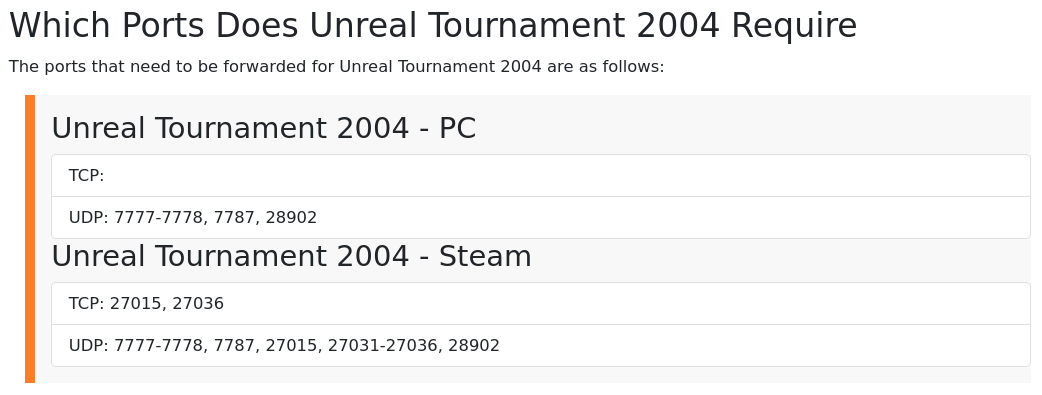
huh that's weird I wonder why that's the case - ports are like, a networking
thing right?
┌─────────┐ ┌───────────┐
│ similar │ chronological │ different │
╘═════════╧═══════════════════════════════─────────────────────────────┴───────────┘
-> file: messages/1292
═════════════════════════════════════════════════════════════════════════───────────
what if video game servers paid for your connection cost by consentually and
restrainedly running a bitcoin generation fraction of your local computer's
processing budget. Nothing that would be a heavy strain, just enough to cover
the transaction costs of sending datapackets from one bit to the other.
┌─────────┐ ┌───────────┐
│ similar │ chronological │ different │
╘═════════╧════════════════════════════════════════════════════════════╧═──────────┘
-> file: fediverse/4210
╔════════════════════════════════════════════════════──────────────────────────────┐
║ encrypted files that asked their owner over the internet before unencrypting │
║ themselves │
║ │
║ (without going through any intermediaries) │
║ │
║ ... you mean like an ISP? │
║ │
║ yeah I know but it doesn't *have* to be through an ISP, if you found some kind │
║ of mesh network. I'm sure someone's set up a 100 second tutorial. │
║ │
║ true, I guess, so what you're asking for is an alternative to... btrfs? I only │
║ sorta know what that means │
║ │
║ no its like, ntfs, or is it ipfs? I forget, the acronyms swirl into one, and │
║ suddenly you forget someone's email signature. │
║ │
║ how are you gonna get ahold of them ? all your friends from the 90s? c'mon │
║ dummies you gotta keep in touch with one another. │
║ │
║ what the heck is everyone's deal, if you can't easily get in contact with │
║ anyone you've ever known, how the heck are you going to neatly integrate your │
║ stories together? it's mutually cooperative for people to learn from one │
║ another, and people who are exposed to another's life in different stages of │
║ their life (child, adult) are the people who learn thmost. │
╠═════════╗ ┌───────────┤
║ similar ║ chronological │ different │
╚═════════╩═════════════════════════════════════════───────────────────┴───────────┘
-> file: fediverse/1587
══════════════════════════════════════════════──────────────────────────────────────
@user-883
If we lived in a sane world, the internet would operate on standards. And
yet... Well, that's not entirely true, we have HTTP and HTML and all the
security risks that Javascripts entails... Well, here's hoping the future can
figure out what exactly's important aside from profit and ease-of-development.
┌─────────┐ ┌───────────┐
│ similar │ chronological │ different │
╘═════════╧═══════════════════════════════════─────────────────────────┴───────────┘
-> file: fediverse/5913
═══════════════════════════════════════════════════════════════════─────────────────
Did you know that any wifi chip can be used as both a sender and a receiver?
how do you think you'd get data in and out of the device?
trick is... you don't actually need a router. How fun is that!
┌─────────┐ ┌───────────┐
│ similar │ chronological │ different │
╘═════════╧════════════════════════════════════════════════════════────┴───────────┘
-> file: fediverse/5214
═════════════════════════════════════════════════════════════───────────────────────
@user-1773
what if all programs had legally mandated APIs which had to be called every
time text was displayed on the screen which wrote to a piece of shared memory
with read-only privileges that could be read by text-displaying applications?
┌─────────┐ ┌───────────┐
│ similar │ chronological │ different │
╘═════════╧══════════════════════════════════════════════════──────────┴───────────┘
-> file: fediverse/60
══════════════════════════════════──────────────────────────────────────────────────
Can someone explain to me why we need instances on the fediverse? Why don't we
just keep all our personal files local on our computer and communicate over the
federated protocol? What's the point of having all these mini-servers that are
controlled by the community? I mean, torrenting has been around forever, why
don't we just use that to communicate?
┌─────────┐ ┌───────────┐
│ similar │ chronological │ different │
╘═════════╧═══════════════════════─────────────────────────────────────┴───────────┘
-> file: fediverse/1121
══════════════════════════════════════════──────────────────────────────────────────
@user-812 @user-826
there should exist either the assurance that the default configuration does not
overheat or crash your computer (as Windows and Mac claim to offer) or the OS
should provide the capability to solve any configuration problems that may
prevent a user for utilizing their system as they desire. (as does Linux)
they're all Turing machines after all, why would they not be interoperable?
Even if there's a translation layer, as long as the functionality of the
software is the same, why would there ever be considerations as to whether or
not a program would be able to be run on a particular computer?
lack of hardware capabilities I can understand, that just means you need a
better computer. But why, if the code is visible, would your computer not
develop understandings about how to run each and every conceivable program
written using known languages like C or Python? Seems like pretty basic stuff
to me. (~~endless~~ sufficient backwards compatibility)
┌─────────┐ ┌───────────┐
│ similar │ chronological │ different │
╘═════════╧═══════════════════════════════─────────────────────────────┴───────────┘
-> file: fediverse/6179
════════════════════════════════════════════════════════════════════────────────────
what if instead of javascript cookies we only let websites access one single
location in memory which was allocated client-side and is unique to each
website?
that way they couldn't track you between sites, since they wouldn't be able to
see any other website's "biscuits" get it because they're healthier than cookies
All they would be able to store would be data, though I guess they could store
bytecode instructions or something if they really wanted to.
┌─────────┐ ┌───────────┐
│ similar │ chronological │ different │
╘═════════╧═════════════════════════════════════════════════════════───┴───────────┘
-> file: fediverse/6286
═════════════════════════════════════════════════════════════════════───────────────
how can you call it a computer science education if the students can't even
send packets
┌─────────┐ ┌───────────┐
│ similar │ chronological │ different │
╘═════════╧══════════════════════════════════════════════════════════──┴───────────┘
-> file: fediverse/1392
═══════════════════════════════════════════─────────────────────────────────────────
Picture this: IRC with images
end to end encrypted, stored only locally in txt and png files on each
participant's computers, and... that's it. that's literally it. the perfect
communication application.
everyone's "username" is just their public key and a custom label is assigned
to them locally
┌─────────┐ ┌───────────┐
│ similar │ chronological │ different │
╘═════════╧════════════════════════════════────────────────────────────┴───────────┘
-> file: fediverse/247
═══════════════════════════════════════─────────────────────────────────────────────
@user-195 parallel is when two programs run simultaneously, like two parallel
lines (threads) that never touch.
concurrent is when the two lines are split up into chunks and the program
switches between them - like this: -----_----
*enter alternate universe*
parallel is when two programs operate on the same axis - usually time - and
never interfere with each other. the OS will switch between them as appropriate
to make sure they never intersect. Sorta like this: -----_----
concurrent is when two programs are executed simultaneously, primarily
constituting computation correlated with collective contents of coordinated
collaboration between contextually related coroutines.
It's simple, even a beginner could figure it out.
┌─────────┐ ┌───────────┐
│ similar │ chronological │ different │
╘═════════╧════════════════════════════────────────────────────────────┴───────────┘
-> file: messages/129
═════════════════════════════════════════───────────────────────────────────────────
So you're telling me the speed difference between Python and C is due not to
the logic that the programmer uses, but rather the optimization capabilities of
the compiler?
(An interpreter includes a compiler, it just runs it in a loop rather than a
single pass)
┌─────────┐ ┌───────────┐
│ similar │ chronological │ different │
╘═════════╧══════════════════════════════──────────────────────────────┴───────────┘
-> file: notes/lan-ip-changed
══════════════════════════════════════════════════════════════════════════════════──
Your local IP address changed from 192.168.1.100 to 127.0.0.1.
If you use manual port forwarding, your router is still forwarding port 8026
to 192.168.1.100. Update your router's port forwarding rule to point to
127.0.0.1 instead,
or set a DHCP reservation / static IP so this doesn't happen again.
┌─────────┐ ┌───────────┐
│ similar │ chronological │ different │
╘═════════╧════════════════════════════════════════════════════════════╧══════════─┘
-> file: fediverse/1230
═══════════════════════════════════════════─────────────────────────────────────────
@user-883
is there anything relevant in this file?
/home/wyatt/.config/rtsp-simple-server.yml
┌─────────┐ ┌───────────┐
│ similar │ chronological │ different │
╘═════════╧════════════════════════════════────────────────────────────┴───────────┘
-> file: fediverse/2147
════════════════════════════════════════════════────────────────────────────────────
@user-192
right but it throws into question the idea that what I say is the same as what
they hear.
Especially if they know our IP addresses are coming from different sides of the
country.
┌─────────┐ ┌───────────┐
│ similar │ chronological │ different │
╘═════════╧═════════════════════════════════════───────────────────────┴───────────┘
-> file: fediverse/5873
══════════════════════════════════════════════════════════════════──────────────────
"the problem with linux is you have to spend part of the program just...
interacting with the filesystem. like, where is their /usr/bin file? (oh it's
called a directory over there, my bad) weird they put their config over here
(what language is that written in?) uhhhh I don't know much about localization
settings (-- two computers on a botnet --)
┌─────────┐ ┌───────────┐
│ similar │ chronological │ different │
╘═════════╧═══════════════════════════════════════════════════════─────┴───────────┘
-> file: fediverse/2647
════════════════════════════════════════════════────────────────────────────────────
Verizon is apparently the only "secure" mobile network, though I'm not sure why.
Frankly I don't think any of them are secure, but ah well who can say.
┌─────────┐ ┌───────────┐
│ similar │ chronological │ different │
╘═════════╧═════════════════════════════════════───────────────────────┴───────────┘
-> file: notes/networked-computers
══════════════════════──────────────────────────────────────────────────────────────
have a thought, just a package of data - send it to a computer, and have the
computer process it a little bit. then pass it on. create a circle and you can
understand data, move along and you can understand a larger breadth of data.
it's literally just snake, except played on a board made out of a network
topology diagram. each computer has different programs on it, and they're
designed specifically to run on those computers. purpose-built hardware.
then a package of data is sent to that computer through a chain of connections.
think crossover ethernet cables
upon arrival, the computer modifies the data and passes it along to whoever
can process it next. the computers are constantly keeping a list of the closest
nearby computers for each purpose. it might have like, 2, for a specific
program. the older the list is, the larger it can grow - if connections are
reliable then the search criteria can expand (distance etc) and the amount of
pings between the "known good" computer can decrease. eventually a map will be
made, and you can guide the "snake" wherever it needs to go on a strategic
level.
like... "i need to process some data for this guy in boston so i'm going to
send it to this other guy in philly and then maybe a specialist all the way out
in detroit, etc. whoever is the most available and the closest (fewest jumps)
this way you can have purpose-built machines, sorta like the different parts of
the brain that do different things. they're always working, and they can be
paid for their labor. boom, market economy!
ah but what about aws or azure? well it's like living in a city versus being in
the countryside. there's more space, more room to grow... basically a "big fish
in a small pond". they'd be useful for more niche things.
a but couldn't aws or azure just leverage their monopolistic power (sorta like
wallmart did to "mom and pop" stores) and wipe out the rural programs? well
maybe. but the real question is why would they? they have the power of reduced
latency. they can do all kinds of stuff with that! there's no reason for them
to bother with the high latency networks. it's like driving in the slow lane
when you don't need to exit for like an hour.
well, okay, what's the point then?
the point is to be optimal. not for cost, but for throughput. the cost is a
consideration, but not something to optimize for - it simply determines
timeline. the only reason speed is important is because capitalism - the drive
to extinct all competition is inherent in the "for profit" motivation.
therefore something else must be optimized for.
but how can you quantify the values aside from cost? what are you going to
optimize?
the same reason why diversity is a strength. more perspectives on the stated
goal means more information, as it's passed through a medium that is unique.
people grow differently in different conditions. why would you not assume their
computers wouldn't as well? use a filter that is defined by the actions taken
by the user, and the content they seek to view and store on the computer. have
the filters modify the data according to that, and essentially automate hot
takes.
once you do *that* you can consider all that information gained from everyone's
"digital vote" and decide a path forward for humanity. that's essentially what
the "meme-o-verse" does already, and the "blogosphere" does the same thing a
little more academically.
so... compile the hot takes and look for what, an average?
no, silly, it's a vote. do the smart choice and do ranked choice, or something
like that. heck do different voting styles for different topics, and let
everyone who contributes to a topic (by making art, writing poems, w/e think
content creators) decide on the voting style. they'd clearly have a favorite,
as evidenced by their search history, reddit comments, w/e. try and understand
that history and boom you know their vote.
but you can't always vote on things. what if it's fine and not busted?
well, then there wouldn't be much to talk about it would there? if there's no
forest fires, nobody thinks about the forest fire department. if there's no
fish at the sushi restaurant, yeah that's a problem and it needs to be solved.
maybe there's too many sushi restaurants! maybe we should schedule visits in
advance like we do for vacations! maybe we should have, i dunno, more equitable
distribution of resources, from each to their ability from each their need or
w/e.
you know, a UI in a game is an interface to the internals of a computer. they
see what you see, and how you act online determines their behavior. they are
a digital form of you, like a child follows a parent or a pet learns from a
master. so too is an operating system a method of operating both a system, and
a user.
┌─────────┐ ┌───────────┐
│ similar │ chronological │ different │
╘═════════╧═══════════─────────────────────────────────────────────────┴───────────┘
-> file: fediverse/1466
═══════════════════════════════════════════─────────────────────────────────────────
┌──────────────────────────────────────────────────────────┐
│ CW: death-mentioned-insurance-mentioned-bricks-mentioned │
└──────────────────────────────────────────────────────────┘
my opsec is non-existent teehee does anyone want my IP? or even my address,
it's not like I lock my door
if (when) my poor decisions get me killed (whoops adding content warning)
please throw a brick at an insurance company for me thanks
┌─────────┐ ┌───────────┐
│ similar │ chronological │ different │
╘═════════╧════════════════════════════════────────────────────────────┴───────────┘
-> file: fediverse/4058
════════════════════════════════════════════════════────────────────────────────────
@user-883
That's a good point! I didn't realize that. I figured there was an option for
LAN connections? If so, you can create a virtual LAN using Hamachi or
something. Does Hamachi still exist?
┌─────────┐ ┌───────────┐
│ similar │ chronological │ different │
╘═════════╧═════════════════════════════════════════───────────────────┴───────────┘
-> file: fediverse/379
════════════════════════════════════════────────────────────────────────────────────
someone should make an application that runs locally and keeps track of every
post, comment, picture, etc that you ever made on the internet. Then, if any of
them are ever deleted, it notifies you so you can stop using whatever service
mishandled the data that you trusted them to safeguard.
┌─────────┐ ┌───────────┐
│ similar │ chronological │ different │
╘═════════╧═════════════════════════════───────────────────────────────┴───────────┘
-> file: fediverse/2601
════════════════════════════════════════════════────────────────────────────────────
@user-249
you can host anything you'd like on a raspberry pi. If the software
requirements are within the hardware specs, of course.
┌─────────┐ ┌───────────┐
│ similar │ chronological │ different │
╘═════════╧═════════════════════════════════════───────────────────────┴───────────┘
-> file: fediverse/4218
╔════════════════════════════════════════════════════──────────────────────────────┐
║ there are plenty of pieces of linux that are insecure in some way. Including │
║ x11, if I remember correctly. It is purely convention to not abuse these │
║ insecurities, and whenever you use someone else's binary software you trust │
║ that they won't betray you in some way. │
║ │
║ pre-built binaries are privacy violations and should be illegal. They are │
║ security threats because the model they're built upon is necessarily insecure. │
║ Computers will *never be completely secure* because of how they are built, and │
║ so we should use locally compiled software and interpreted scripts. │
║ │
║ Unless they're too long, or impossible to read. Who reads EULAs these days? At │
║ least those are written in *english*. │
║ │
║ maybe computers aren't worth it. Maybe computers will solve all our problems. │
║ Who can say, maybe you should *ask an oracle like me* │
║ │
║ though do remember that anything you hear can and will be used against you, │
║ monkey's paw style. So maybe, like... don't? unless you're into magic or │
║ schizophrenia or something │
║ │
║ I wnt 2 be cute and tch cpus │
╠═════════╗ ┌───────────┤
║ similar ║ chronological │ different │
╚═════════╩═════════════════════════════════════════───────────────────┴───────────┘
-> file: notes/comms-box
══════════════════════════════════════════════════════──────────────────────────────
there is a requirement for a simple, easy to set-up, and easily replacable
system which can be used for comms.
Specifically running a variety of different services, such as fediverse
instances, matrix for text-comms, VoIP, and distributed computing using Chapel
or DistCC or other such capabilities. In addition, it should be able to run a
file-server and a web-server which hosts an HTML page for the user.
All of this functionality should be operational out-of-the-box, with minimal
configuration required. No more than adding a checkbox to a config file in order
to activate each individual service.
This box should be cheap, and easy to provision. An image must be made, and
some bash scripts should be written to easily configure it.
In addition, there should be rudimentary programming capabilities included, just
in-case a user is left with no other options. It should come pre-configured with
SSH access out of the box, so it can be remotely controlled, and the languages
included should be:
C/C++
Python
Lua
Bash
Rust
Chapel
This should cover most surfaces in terms of programming capability requirements.
In terms of hardware, it need be little more than a SoC such as a Raspberry Pi
or other such hardware. It needs at a minimum an ethernet port, and USB ports.
The box itself should cost no more than 40$, excluding provisioning and the cost
to pay back whatever capital investments are necessary to create such a thing.
┌─────────┐ ┌───────────┐
│ similar │ chronological │ different │
╘═════════╧═══════════════════════════════════════════─────────────────┴───────────┘
-> file: fediverse/1113
╔═════════════════════════════════════════─────────────────────────────────────────┐
║ we should be able to configure our web browsers so that they *don't* remember │
║ to autofill certain pieces of information. Such as the IP address of our │
║ router, or our bank credentials, or any other forms of passwords that we are │
║ using to authenticate ourselves. That way our infrastructure that we've │
║ designed is less susceptible to cybersecurity threats that involve physical │
║ access to the computer. Or remote control of some kind that is channeled │
║ through the UI (like RDP or SSH) (a terminal is a text based UI in this context) │
║ │
║ Unless of course they knew what they were doing. Which most of them don't. │
║ Hence why it'd be a good idea to isolate the capabilities of defeating certain │
║ vulnerabilities to ourselves. Like, a reverse backdoor, only more like a DMZ - │
║ a sector of computing space (sandboxed of course) that is only utilized for │
║ understanding the intent of the message sender. │
║ │
║ Doing so would require an analysis of the capabilities of the system, the kind │
║ of analysis that [script kiddies'dve] generated by googl │
╠═════════╗ ┌───────────┤
║ similar ║ chronological │ different │
╚═════════╩══════════════════════════════──────────────────────────────┴───────────┘
-> file: fediverse/5179
════════════════════════════════════════════════════════════────────────────────────
why don't corporations let you write code in whatever language you want? it's
trivial to run a compiler or interpreter inside of another program.
┌─────────┐ ┌───────────┐
│ similar │ chronological │ different │
╘═════════╧═════════════════════════════════════════════════───────────┴───────────┘
-> file: fediverse/1976
╔══════════════════════════════════════════════────────────────────────────────────┐
║ when pushing ctrl+v, the operating system first checks the file-type of the │
║ content being submitted. │
║ │
║ if it's like, a .jpg or .png, it knows that it's an image file. Do note that │
║ these are RANDOM letters that mean nothing, not something informative like .pic. │
║ │
║ if, however, it is text-based information, it first reads what is being sent to │
║ the application which is requesting a ctrl+v. │
║ │
║ Then, upon reading said information, it decides "is this worth passing on? │
║ Should I send something else, based on the results of what I've been analyzing │
║ of the situation as it develops over time, being observed by the execution │
║ operations of the monitor, which is projected forward unto the screen? (totally │
║ forgetting that "virtual" monitors exist, meaning monitors that don't display │
║ to any physical screen, but which rather are projected into the computer's │
║ "aetherspace", an area which is purely of the mind. │
║ │
║ Alas, that other sensors might not have read from this area. That they might │
║ not observe the results of the operations pe │
╠═════════╗ ┌───────────┤
║ similar ║ chronological │ different │
╚═════════╩═══════════════════════════════════─────────────────────────┴───────────┘
-> file: fediverse/4093
═════════════════════════════════════════════════════───────────────────────────────
I have no idea why people *prefer* a GUI when working with software. How the
heck do they expect to use their computer remotely if they can't even run their
software over SSH?
┌─────────┐ ┌───────────┐
│ similar │ chronological │ different │
╘═════════╧══════════════════════════════════════════──────────────────┴───────────┘
-> file: fediverse/6106
════════════════════════════════════════════════════════════════════────────────────
┌─────────────────────────────────────────────┐
│ CW: wild-unhinged-absurd-thoughts-mentioned │
└─────────────────────────────────────────────┘
what if closed source computing is actually better?
computer programs should be dumb
┌─────────┐ ┌───────────┐
│ similar │ chronological │ different │
╘═════════╧═════════════════════════════════════════════════════════───┴───────────┘
-> file: fediverse/797
═════════════════════════════════════════───────────────────────────────────────────
irc is bloat
use ssh + write to chat with your friends instead
┌─────────┐ ┌───────────┐
│ similar │ chronological │ different │
╘═════════╧══════════════════════════════──────────────────────────────┴───────────┘
-> file: bluesky/27
═══════════════════════════════════════════════════════════════════════─────────────
you can have as many processes running on a computer as you please, just make
sure they're all named chrome.exe so the user doesn't suspect a thing.
┌─────────┐ ┌───────────┐
│ similar │ chronological │ different │
╘═════════╧════════════════════════════════════════════════════════════┴───────────┘
-> file: fediverse/1620
═══════════════════════════════════════════════─────────────────────────────────────
@user-1037
I gotta say you're making a really good argument for OpenBSD... Hmmmm maybe
I'll look into it this week.
┌─────────┐ ┌───────────┐
│ similar │ chronological │ different │
╘═════════╧════════════════════════════════════────────────────────────┴───────────┘
-> file: fediverse/1345
╔══════════════════════════════════════════────────────────────────────────────────┐
║ ┌────────────────────────────┐ │
║ │ CW: re: cursed-chromebooks │ │
║ └────────────────────────────┘ │
║ │
║ │
║ ah but are you really armed in the first place if everything you do has to be │
║ googled or stack-overflowed first │
║ │
║ are you really armed if every web page request goes through their infrastructure │
║ │
║ are you really armed if every page downloaded is directed to by their DNS │
║ │
║ perhaps it's the illusion of power that gives Linux it's attraction to nerds │
║ such as we. Perhaps we feel powerful by bash scripting a few things together │
║ and making some program that does some thing. Maybe the idea that the machinery │
║ is open and clear is what compels us to use it without fear, though as far as │
║ we can hear there's nothing about it that makes sense. │
║ │
║ I guess that's why they teach Linux in school, so that our elementary │
║ interactions with the computers that comprise our future existence will make │
║ sense to us as children. │
║ │
║ ... wait they don't do that, do they? kids get chromebooks, or didn't you hear, │
║ they're always putting boogers in the CD trays and breaking their LCD displays, │
║ much better to just start fresh │
╠═════════╗ ┌───────────┤
║ similar ║ chronological │ different │
╚═════════╩═══════════════════════════════─────────────────────────────┴───────────┘
-> file: fediverse/1329
╔══════════════════════════════════════════────────────────────────────────────────┐
║ @user-941 │
║ │
║ well, your computer only has so many 1s and 0s that it can use at once. Like, │
║ having a trillion hands that can each hold a single grain of rice. Every │
║ character in that txt file would be like, 8 grains of rice, minimum, meaning │
║ you'd need at least 8 "hands" (or spots to put a zero or a one) for each letter! │
║ │
║ Hmmmm that's a lot of bits and bytes if everyone's writing to the same file. │
║ Maybe if we split the file up into smaller sections, then we could just read │
║ part of it at once. Then we could "scroll" through it to make sure we've read │
║ the whole thing, starting from the top and going to the bottom. │
║ │
║ ah but if everyone's SSHing into the same computer and reading it there, then │
║ that computer will have to present different parts of the file at different │
║ times to different people, as they read from the top to the bottom. Maybe we │
║ could just send them the file, so they can read it at their leisure? │
║ │
║ Yeah! And we could use tags to organize it and make it look pretty, like an │
║ HTML file except... wait hang on │
╠═════════╗ ┌───────────┤
║ similar ║ chronological │ different │
╚═════════╩═══════════════════════════════─────────────────────────────┴───────────┘
|