 -> file: fediverse/3680
══════════════════════════════════════════════════──────────────────────────────────
  it's probably a good idea to write pseudocode, then real code, instead of
  starting with real code, and bugfixing something incomplete and more difficult
  to reason with.

  unless you write real code easier than pseudocode. idk do what works for you.
┌─────────┐                                                            ┌───────────┐
│ similar │                       chronological                        │ different │
╘═════════╧═══════════════════════════════════════─────────────────────┴───────────┘
 -> file: fediverse/950
══════════════════════════════════════════──────────────────────────────────────────
  @user-192

  multidimensional arrays aren't too hard, it gets a bit more complicated when
  you need multidimensional *slices*, but once you get your head around it it
  comes easier.
┌─────────┐                                                            ┌───────────┐
│ similar │                       chronological                        │ different │
╘═════════╧═══════════════════════════════─────────────────────────────┴───────────┘
 -> file: messages/110
════════════════════════════════════════────────────────────────────────────────────
  The best way to program computers is to organize them according to their
  relations. Like, when x increases by 4 then y increases by 2 - basically, a
  math equation that you can continuously solve by calculating more and more
  comprehensively and deeply.
┌─────────┐                                                            ┌───────────┐
│ similar │                       chronological                        │ different │
╘═════════╧═════════════════════════════───────────────────────────────┴───────────┘
 -> file: fediverse/2003
════════════════════════════════════════════════────────────────────────────────────
  The most important programming language to master is pseudocode.

  With a firm grasp of pseudocode in your toolbox, you can solve any problem in
  any language.
┌─────────┐                                                            ┌───────────┐
│ similar │                       chronological                        │ different │
╘═════════╧═════════════════════════════════════───────────────────────┴───────────┘
 -> file: fediverse/5189
════════════════════════════════════════════════════════════────────────────────────
  computer programming essentially boils down to putting the right values into
  the right datastructures at the right time and in the right order.

  If you count a function call as a datastructure, which I do, because I have
  opinions.
┌─────────┐                                                            ┌───────────┐
│ similar │                       chronological                        │ different │
╘═════════╧═════════════════════════════════════════════════───────────┴───────────┘
 -> file: fediverse/3643
══════════════════════════════════════════════════──────────────────────────────────
  if you cannot rapidly reorganize, then you are not organized.
┌─────────┐                                                            ┌───────────┐
│ similar │                       chronological                        │ different │
╘═════════╧═══════════════════════════════════════─────────────────────┴───────────┘
 -> file: notes/20260913-212428.txt
══════════════════════════════════════════════════════════════════════════════════──
  My similar-different has had a bug in the computer code that makes it all
  shuffled. And it shows the same ~1000 poems over and over. I should fix it.
  I'll fix it tomorrow. Sorry. I've known that its been messed up for like, a
  month, but I didn't fix it because I was shy.
┌─────────┐                                                            ┌───────────┐
│ similar │                       chronological                        │ different │
╘═════════╧════════════════════════════════════════════════════════════╧══════════─┘
 -> file: fediverse_boost/451
◀═╦════════════════════════════[BOOST]═════════════════════════════──────────────┐
  ║ ┌──────────────────────────────────────────────────────────────────────────┐ │
  ║ │ Take away the elements in order of apparent non-importance               │ │
  ║ │                                                                          │ │
  ║ │  #ObliqueStrategies                                                      │ │
  ║ └──────────────────────────────────────────────────────────────────────────┘ │
  ╠─────────┐                                                        ┌───────────┤
  ║ similar │                     chronological                      │ different │
  ╚═════════╧══════════════════════════════════════════════════════──┴───────────┴─▶
 -> file: fediverse/6
══════════════════════════════──────────────────────────────────────────────────────
  ┌──────────────────────┐
  │ CW: Math             │
  └──────────────────────┘


  @user-5 create an array of length 7 initialized to zero. then use a for loop
  that loops 97 times and adds a random number between 1 and 20 to an array index
  that iterates through the array each time through the for loop.

  NOTE: be sure to also change the loop counter based on the random number too,
  so you allocate exactly 97 points no matter what random number you get.

  Oh and speaking of which if the loop counter
┌─────────┐                                                            ┌───────────┐
│ similar │                       chronological                        │ different │
╘═════════╧═══════════════════─────────────────────────────────────────┴───────────┘
 -> file: fediverse/5168
════════════════════════════════════════════════════════════────────────────────────
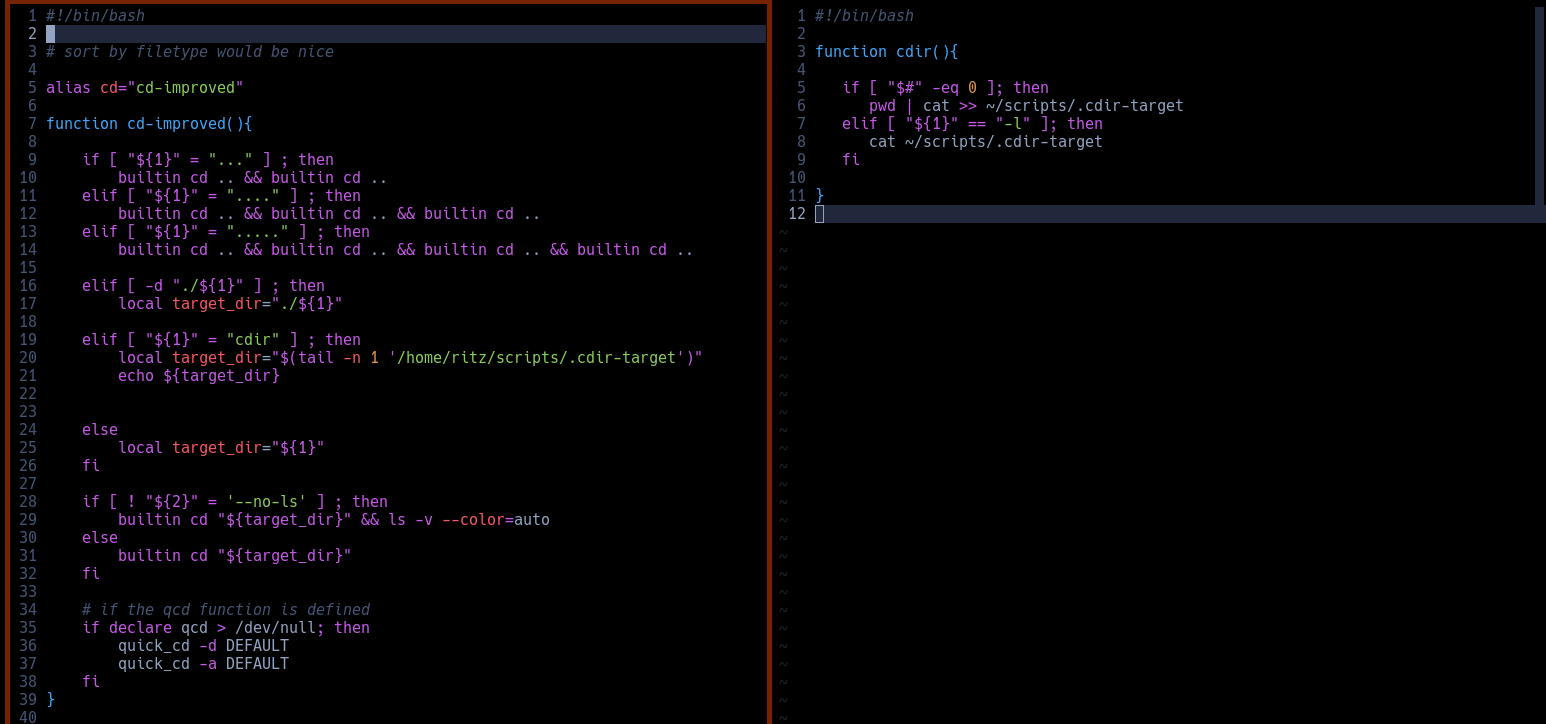
  this is one of the first scripts I wrote

  I can't believe I put the --no-ls AFTER the argument, ha, what a noob.

  ah well if it works it works and I can't refactor now because I built it into
  random scripts and I'd be fixing errors all the time.
┌─────────┐                                                            ┌───────────┐
│ similar │                       chronological                        │ different │
╘═════════╧═════════════════════════════════════════════════───────────┴───────────┘
 -> file: fediverse/1519
╔═══════════════════════════════════════════───────────────────────────────────────┐
║ @user-883                                                                        │
║                                                                                  │
║ yeah, true. if they were collectively owned we could suggest some collectivist   │
║ viewing methods that displayed the highest rated posts in addition to the        │
║ lowest.                                                                          │
║                                                                                  │
║ I used the "sort by controversial" option a lot to ascertain what the polar      │
║ extremes of different opinions were on whatever the subject was. They don't      │
║ even have to be opposites either.                                                │
║                                                                                  │
║ Helps you find a bit more of the familiar human crowd. Upvotes are just numbers  │
║ in a database after all, a database that they entirely control. Funny how        │
║ people always complain about bots but, like, Reddit could just write their own   │
║ bots.                                                                            │
║                                                                                  │
║ For breaking news I'd usually sort by "new", because then you can scan for       │
║ updates when you had time. Though sometimes "best", which valued both time and   │
║ total upvotes, helped a lot for looking for definitive things.                   │
║                                                                                  │
║ though you could just have a bunch of bots upvote a post shortly after it was    │
║ posted, thus making it appear more powerful to the sorting algorithm.            │
║                                                                                  │
║ well, it's flawed. But Mastodon is Twitter, so ig Lemmy                          │
╠═════════╗                                                            ┌───────────┤
║ similar ║                       chronological                        │ different │
╚═════════╩════════════════════════════════────────────────────────────┴───────────┘
 -> file: messages/459
════════════════════════════════════════════════────────────────────────────────────
  Social media where comments are sorted like Reddit except you can also
  "sidevote" something - if it's different from the comment chain above it, you
  can move it to the side. If it's the same as the comment above it, either
  upvote or downvote it depending on which you think is a better comment.

  This way, contrasting opinions can be sorted and placed next to one another.
  Perhaps even with a center vote which you can drag a pin and say "this comment
  is related to this other post over here" (okay drag is the wrong word for
  mobile devices, it'd be more like pick up and then place)

  Users could follow these pins like links if they wanted, and the more pins
  holding a comment to another the more the sorting algorithm will prioritize
  placing them next to one another.
┌─────────┐                                                            ┌───────────┐
│ similar │                       chronological                        │ different │
╘═════════╧═════════════════════════════════════───────────────────────┴───────────┘
 -> file: fediverse/3787
═══════════════════════════════════════════════════─────────────────────────────────
  arithmatic control flow

  If A, then B. Else C

┌─────────┐                                                            ┌───────────┐
│ similar │                       chronological                        │ different │
╘═════════╧════════════════════════════════════════────────────────────┴───────────┘
 -> file: fediverse/375
════════════════════════════════════════────────────────────────────────────────────
  premature optimization may be the root of all evil, but like... it's fun? so
  I'm going to keep doing it. And before you ask why I'm using threads on project
  euler problems, just know that it's slightly faster this way I promise.
┌─────────┐                                                            ┌───────────┐
│ similar │                       chronological                        │ different │
╘═════════╧═════════════════════════════───────────────────────────────┴───────────┘
 -> file: fediverse/3338
══════════════════════════════════════════════════──────────────────────────────────
  @user-246

  I tend to stack overflow a lot T.T
┌─────────┐                                                            ┌───────────┐
│ similar │                       chronological                        │ different │
╘═════════╧═══════════════════════════════════════─────────────────────┴───────────┘
 -> file: fediverse/346
════════════════════════════════════════────────────────────────────────────────────
  @user-246 or is it 010010 which == 18 in binary?
┌─────────┐                                                            ┌───────────┐
│ similar │                       chronological                        │ different │
╘═════════╧═════════════════════════════───────────────────────────────┴───────────┘
 -> file: messages/892
═════════════════════════════════════════════════════════════───────────────────────
  Why do we only have one file extension? Why not put them one after another for
  increased categorization?
┌─────────┐                                                            ┌───────────┐
│ similar │                       chronological                        │ different │
╘═════════╧══════════════════════════════════════════════════──────────┴───────────┘
 -> file: fediverse/1762
═══════════════════════════════════════════════─────────────────────────────────────
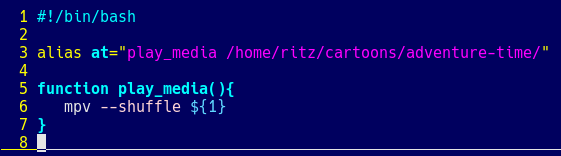
  This was the first bash script I ever wrote.

  It's been updated a little, it was a bash alias first, but this is what it
  looks like now.

  Kinda shows what kinds of problems I needed to solve most.
┌─────────┐                                                            ┌───────────┐
│ similar │                       chronological                        │ different │
╘═════════╧════════════════════════════════════────────────────────────┴───────────┘
 -> file: fediverse/38
═════════════════════════════════───────────────────────────────────────────────────
  @user-36 ideally you'd convert to an arbitrary base (in this case 9) and shift
  from there, but shifting two places might work. idk I haven't thought about it.
┌─────────┐                                                            ┌───────────┐
│ similar │                       chronological                        │ different │
╘═════════╧══════════════════════──────────────────────────────────────┴───────────┘
 -> file: fediverse/1553
════════════════════════════════════════════────────────────────────────────────────
  if you optimize for competitive advantage, then eventually you'll optimize away
  from all the reasons to compete.

  which is how you get ~~paperclip~~ profit maximizers.
┌─────────┐                                                            ┌───────────┐
│ similar │                       chronological                        │ different │
╘═════════╧═════════════════════════════════───────────────────────────┴───────────┘
 -> file: fediverse/2171
════════════════════════════════════════════════────────────────────────────────────
  ┌──────────────────────┐
  │ CW: re: caps         │
  └──────────────────────┘


  @user-1195

  get_new_unused_UUID(){ if random_num() == is in lists.UUIDs then return
  get_new_unused_UUID(); }
┌─────────┐                                                            ┌───────────┐
│ similar │                       chronological                        │ different │
╘═════════╧═════════════════════════════════════───────────────────────┴───────────┘
 -> file: fediverse/6304
═════════════════════════════════════════════════════════════════════───────────────
  Take away the elements in order of apparent non-importance

  Hmmmmm.... I'm gonna stay inside unless I decide to go outside. How's that?
┌─────────┐                                                            ┌───────────┐
│ similar │                       chronological                        │ different │
╘═════════╧══════════════════════════════════════════════════════════──┴───────────┘
 -> file: fediverse/3154
═════════════════════════════════════════════════───────────────────────────────────
  ┌───────────────────────────┐
  │ CW: re: cursing-mentioned │
  └───────────────────────────┘


  @user-1461

  yes... I like tree shapes, you have to address them differently. Lots of
  pointers, in my experience, which can be kinda fun.

  I also like large heaps / soups of data that points to one-another. Structs
  thrown in a pile with pointers to each other. It's great! So long as those
  pointers can also point back, and you can properly trace how data flows through
  the system... That's the hard part, I think.

  trees though... You can start by just saving a "next / previous" with one or
  both being arrays of pointers to the next or previous entries. Note: plural,
  entries. That's the fun part - non-linear trees teehee
┌─────────┐                                                            ┌───────────┐
│ similar │                       chronological                        │ different │
╘═════════╧══════════════════════════════════════──────────────────────┴───────────┘
 -> file: fediverse/6348
═════════════════════════════════════════════════════════════════════───────────────
  here's a neat function

┌─────────┐                                                            ┌───────────┐
│ similar │                       chronological                        │ different │
╘═════════╧══════════════════════════════════════════════════════════──┴───────────┘
 -> file: fediverse/40
═════════════════════════════════───────────────────────────────────────────────────
  @user-36 so what you're saying is I need to come up with an easier way to
  change bases? Or at least a way to digit shift in a different base than what
  you currently have. Sounds complicated.
┌─────────┐                                                            ┌───────────┐
│ similar │                       chronological                        │ different │
╘═════════╧══════════════════════──────────────────────────────────────┴───────────┘
 -> file: fediverse/4123
═════════════════════════════════════════════════════───────────────────────────────
  @user-883

  you're right

  but I think your first impulse should be to think about how to do it in a
  multithreaded way

  If the result is that single-threading would be better, great! It'll be easier!

  But thinking about multithreading first will give you crucial insights into the
  structure of the program.

  depending on what kinds of programming you do...!
┌─────────┐                                                            ┌───────────┐
│ similar │                       chronological                        │ different │
╘═════════╧══════════════════════════════════════════──────────────────┴───────────┘
 -> file: fediverse/1960
════════════════════════════════════════════════────────────────────────────────────
  Source code is like, the worst way to view code, but I can't think of anything
  better, so whatever
┌─────────┐                                                            ┌───────────┐
│ similar │                       chronological                        │ different │
╘═════════╧═════════════════════════════════════───────────────────────┴───────────┘
 -> file: fediverse/1934
════════════════════════════════════════════════────────────────────────────────────
  @user-1109

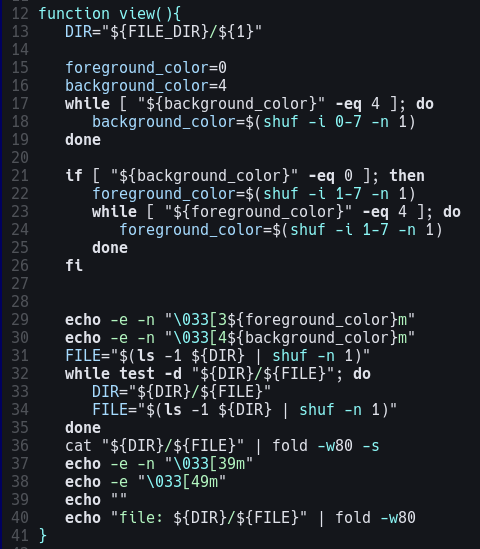
  do it in a random color each time! Here's my implementation for viewing txt
  files colorfully:
┌─────────┐                                                            ┌───────────┐
│ similar │                       chronological                        │ different │
╘═════════╧═════════════════════════════════════───────────────────────┴───────────┘
 -> file: fediverse/1034
══════════════════════════════════════════──────────────────────────────────────────
  @user-192

  be careful, recursion can cause stack overflows.

  better to run function pointers from a loop. That way you can operate as long
  as necessary. Just make sure you don't get in an infinite loop...
┌─────────┐                                                            ┌───────────┐
│ similar │                       chronological                        │ different │
╘═════════╧═══════════════════════════════─────────────────────────────┴───────────┘
 -> file: fediverse/879
══════════════════════════════════════════──────────────────────────────────────────
  @user-501

  also it's only undefined behavior because the order of the bits aren't defined,
  so if you do bitfield "pointer arithmetic" then you're screwed if you try and
  be portable with it. However if you're just using bitfields as compressed data
  storage then you can safely access integer.a integer.b integer.c etc safely and
  easily. The compiler doesn't care what order they're in if you don't write
  logic that requires them to be in a certain order
┌─────────┐                                                            ┌───────────┐
│ similar │                       chronological                        │ different │
╘═════════╧═══════════════════════════════─────────────────────────────┴───────────┘
 -> file: messages/1311
═════════════════════════════════════════════════════════════════════════───────────
  did you know they could re-arrange the order of my similar-different pages and
  the audience wouldn't be able to tell

  html is just text

  your browser can display whatever it wants.
┌─────────┐                                                            ┌───────────┐
│ similar │                       chronological                        │ different │
╘═════════╧════════════════════════════════════════════════════════════╧═──────────┘
 -> file: fediverse/3423
══════════════════════════════════════════════════──────────────────────────────────
  every time I search the internet for a solution to a linux problem I have to do
  add -ubuntu to the end of the search query
┌─────────┐                                                            ┌───────────┐
│ similar │                       chronological                        │ different │
╘═════════╧═══════════════════════════════════════─────────────────────┴───────────┘
 -> file: fediverse/3649
══════════════════════════════════════════════════──────────────────────────────────
  *double tapping the star button because I want them to know I appreciate them
  but I don't want to clog up my "pinned for all time" section of this neat
  little website*
┌─────────┐                                                            ┌───────────┐
│ similar │                       chronological                        │ different │
╘═════════╧═══════════════════════════════════════─────────────────────┴───────────┘
 -> file: fediverse/704
═════════════════════════════════════════───────────────────────────────────────────
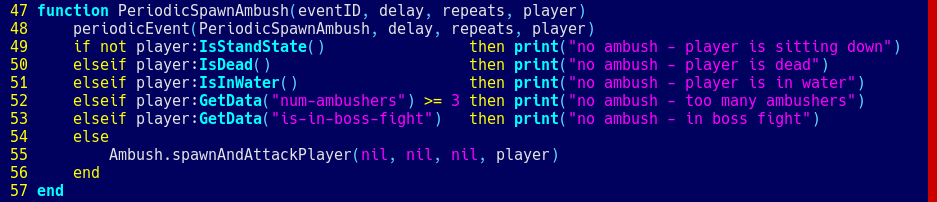
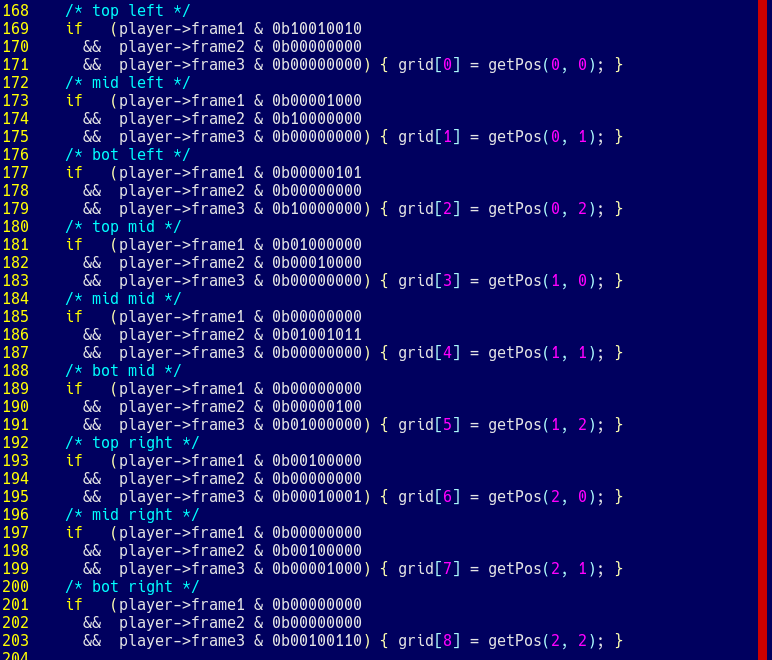
  Is my formatting pretty or does it make you angry?


┌─────────┐                                                            ┌───────────┐
│ similar │                       chronological                        │ different │
╘═════════╧══════════════════════════════──────────────────────────────┴───────────┘
 -> file: fediverse/3559
══════════════════════════════════════════════════──────────────────────────────────
  @user-1209

  like... var = x?? that doesn't make sense. Or like, 5 = var x? that feels
  *wrong*

  in programming = is assignment, not equality, which tripped me up for a bit.
  But if you read it left to right it's like X equals 5. Got it, now I know that
  X is the same as 5. Right?
┌─────────┐                                                            ┌───────────┐
│ similar │                       chronological                        │ different │
╘═════════╧═══════════════════════════════════════─────────────────────┴───────────┘
 -> file: messages/1227
═════════════════════════════════════════════════════════════════════════───────────
  Anything that affects the set of all sets also affects the set containing
  itself.
┌─────────┐                                                            ┌───────────┐
│ similar │                       chronological                        │ different │
╘═════════╧════════════════════════════════════════════════════════════╧═──────────┘
 -> file: fediverse/702
═════════════════════════════════════════───────────────────────────────────────────
  Branches cause cache misses which are slow when done on repeat.

  Better to structure your code to avoid them, if possible, for example by using
  an array of function pointers instead of switch statements.

  unrelated, but once the data is cached from memory, operations like bit
  shifting and arithmetic are essentially free. The slowest part of the process
  is moving data from RAM to cache so that the CPU can use it.

  That being said, CPUs and compilers are VERY good at optimizing that type of
  thing these days.
┌─────────┐                                                            ┌───────────┐
│ similar │                       chronological                        │ different │
╘═════════╧══════════════════════════════──────────────────────────────┴───────────┘
 -> file: fediverse/4118
═════════════════════════════════════════════════════───────────────────────────────
  all modern software should be written in a multithreaded way, change my mind
┌─────────┐                                                            ┌───────────┐
│ similar │                       chronological                        │ different │
╘═════════╧══════════════════════════════════════════──────────────────┴───────────┘
 -> file: fediverse/1966
════════════════════════════════════════════════────────────────────────────────────
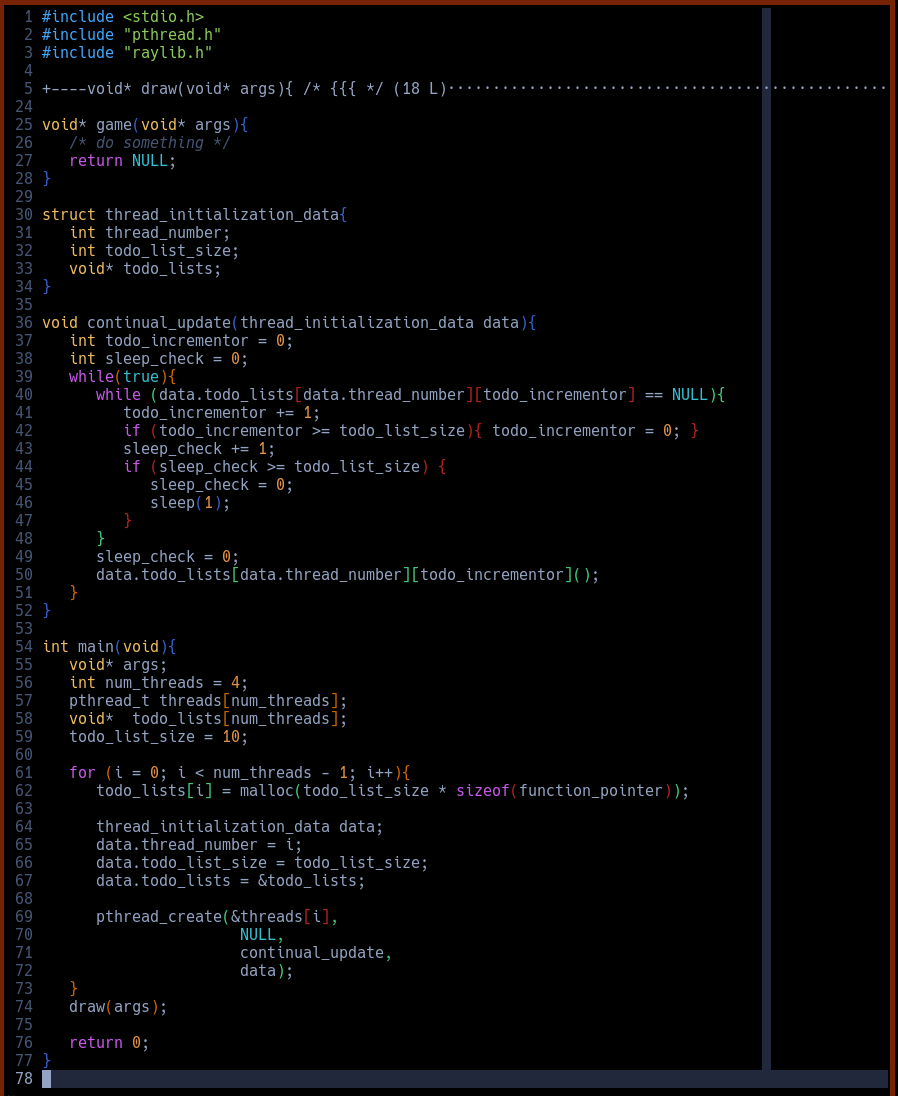
  The design is simple: Have an array of function pointers that need to be
  assigned to a thread. Then, have a manager thread read through that array, and
  for every non-zero value put it into a thread-specific array. Those threads
  will read through their personal  array and execute whichever function is
  pointed to by the function pointer placed in their todo-list by the manager
  function.

  ... I'm too stupid to make it happen though. Writing code is hard.
┌─────────┐                                                            ┌───────────┐
│ similar │                       chronological                        │ different │
╘═════════╧═════════════════════════════════════───────────────────────┴───────────┘
 -> file: messages/412
═══════════════════════════════════════════════─────────────────────────────────────
  Coding superpower:

  Start thread
  While(true):
  Run();

  Then, whenever you want it to run something else, change the function pointer
  that run() uses to call a function

  At the end of the run() function, set the function pointer in the while loop to
  the next one. That way you don't stack overflow from the recursion.
┌─────────┐                                                            ┌───────────┐
│ similar │                       chronological                        │ different │
╘═════════╧════════════════════════════════════────────────────────────┴───────────┘
 -> file: messages/890
═════════════════════════════════════════════════════════════───────────────────────
  If your code is too long to fit in 80 or 120 characters (preference) then you
  need to use more numbers (indexable with a small table-of-contents style
  comment description just above) or character symbols (referencably by meaning
  just as above) (by above she means earlier in the string of text you just read)
┌─────────┐                                                            ┌───────────┐
│ similar │                       chronological                        │ different │
╘═════════╧══════════════════════════════════════════════════──────────┴───────────┘
 -> file: fediverse/6244
═════════════════════════════════════════════════════════════════════───────────────
  numbers are one-dimensional numbers and vectors are multi-dimensional numbers,
  fight me
┌─────────┐                                                            ┌───────────┐
│ similar │                       chronological                        │ different │
╘═════════╧══════════════════════════════════════════════════════════──┴───────────┘
 -> file: fediverse/36
═════════════════════════════════───────────────────────────────────────────────────
  consider:

  x = 13 / 3, what is x?

  step 1: translate 13 into base 3
  step 2: digit shift once to the right
  step 3: store underflow as remainder
  step 3: translate back to base 10

  x is 4 remainder 1
┌─────────┐                                                            ┌───────────┐
│ similar │                       chronological                        │ different │
╘═════════╧══════════════════════──────────────────────────────────────┴───────────┘
 -> file: fediverse/2879
═════════════════════════════════════════════════───────────────────────────────────
  ┌────────────────────────┐
  │ CW: re: tech info-dump │
  └────────────────────────┘


  @user-1370

  I love this a lot! I want to put function pointers in a "matrix architecture
  array" and make them point to different functions at different points in the
  program. I bet you could even point them at each other, so like if M and Y then
  point at N, A, Y or something.

  this is really cool I like stuff like this tomorrow I'll take pictures of
  something similar I'm working on! I abandoned it tho hehe anyway remind me if I
  forget!!
┌─────────┐                                                            ┌───────────┐
│ similar │                       chronological                        │ different │
╘═════════╧══════════════════════════════════════──────────────────────┴───────────┘
 -> file: fediverse/5170
════════════════════════════════════════════════════════════────────────────────────
  competition is only fair if both sides start equally.
┌─────────┐                                                            ┌───────────┐
│ similar │                       chronological                        │ different │
╘═════════╧═════════════════════════════════════════════════───────────┴───────────┘
 -> file: fediverse/312
═══════════════════════════════════════─────────────────────────────────────────────
  normalize playing one game while listening to the soundtrack of another
┌─────────┐                                                            ┌───────────┐
│ similar │                       chronological                        │ different │
╘═════════╧════════════════════════════────────────────────────────────┴───────────┘
 -> file: fediverse/5877
═══════════════════════════════════════════════════════════════════─────────────────
  I wish I could click on ls output to cd up or down
┌─────────┐                                                            ┌───────────┐
│ similar │                       chronological                        │ different │
╘═════════╧════════════════════════════════════════════════════════────┴───────────┘
 -> file: fediverse/3792
═══════════════════════════════════════════════════─────────────────────────────────
  If you have a thousand options in your case / switch statement, you should
  probably refactor.

  consider putting function pointers (to the things you would have switched to)
  in an array and instead of checking "if this enum, then this, if that enum,
  then that" etc send an index into the function pointer array. That way there's
  no branching at all.

  The best way to generate performant code is to reduce or eliminate branches. If
  you're working on a video game or networked program, this can be incredibly
  important.

  The second best way is probably reducing cache misses and increasing
  parallelism, but those are different problems.
┌─────────┐                                                            ┌───────────┐
│ similar │                       chronological                        │ different │
╘═════════╧════════════════════════════════════════────────────────────┴───────────┘
 -> file: fediverse/3151
╔════════════════════════════════════════════════──────────────────────────────────┐
║ ┌───────────────────────────┐                                                    │
║ │ CW: re: cursing-mentioned │                                                    │
║ └───────────────────────────┘                                                    │
║                                                                                  │
║                                                                                  │
║ @user-1461                                                                       │
║                                                                                  │
║ I'm best at Bash.                                                                │
║                                                                                  │
║ I'm most capable with Lua.                                                       │
║                                                                                  │
║ My favorite is C.                                                                │
║                                                                                  │
║ I'm not a good programmer, I think too hard. Massive systems are too large for   │
║ me. I like laying out data, whether that be by files and programs in Bash,       │
║ arrays and tables in Lua, or memory and datatypes in C, I like to think about    │
║ how programs are constructed.                                                    │
║                                                                                  │
║ Which functions point to which piles of numbers? what do they do when they get   │
║ there?                                                                           │
║                                                                                  │
║ I think I'm better as an artist. But I can do systems administration quite well  │
║ (with Bash and a guiding hand telling me what and why to do)                     │
║                                                                                  │
║ ... though I kinda suck at technical sysadmin, like Gentoo. There's too much     │
║ terminology - why is data too complicated? Just use data!                        │
║                                                                                  │
║ anyway. I sound opinionated, but I listen closely to good arguments and quickly  │
║ change my tune when I am incorrected. I am a team player, and I firmly believe   │
║ that sometimes a bad plan executed with cohesion and precision is better than    │
║ the best play executed too late and with too little strength.                    │
╠═════════╗                                                            ┌───────────┤
║ similar ║                       chronological                        │ different │
╚═════════╩═════════════════════════════════════───────────────────────┴───────────┘
 -> file: fediverse/39
═════════════════════════════════───────────────────────────────────────────────────
  @user-36 That makes sense to me. I'll have to think about how to generalize
  that, hmmmm... It would only work for numbers that have even square roots right?
┌─────────┐                                                            ┌───────────┐
│ similar │                       chronological                        │ different │
╘═════════╧══════════════════════──────────────────────────────────────┴───────────┘
 -> file: messages/1063
═════════════════════════════════════════════════════════════════════───────────────
  What if instead of listing food in our ingredients as a paragraph we instead
  listed them in tab-separated-rows-by-columns like excel spreadsheets except
  with justifications for everything has its place in the ingredient dish.
┌─────────┐                                                            ┌───────────┐
│ similar │                       chronological                        │ different │
╘═════════╧══════════════════════════════════════════════════════════──┴───────────┘
 -> file: fediverse/775
═════════════════════════════════════════───────────────────────────────────────────
  @user-192

  It's totally simple! It's just structs, void pointers, function pointers,
  arrays, mallocs, and oh boy I think I see what you mean
┌─────────┐                                                            ┌───────────┐
│ similar │                       chronological                        │ different │
╘═════════╧══════════════════════════════──────────────────────────────┴───────────┘
 -> file: fediverse/3756
═══════════════════════════════════════════════════─────────────────────────────────
  ┌──────────────────────┐
  │ CW: LLM-mentioned    │
  └──────────────────────┘


  @user-1071

  I have plenty of things made, but none of it organized : (

  Kinda makes me wish I could like... train an LLM on my social media posts and
  use it programmatically somehow to help me organize my stuff into different
  categories according to what kind of topic or style they were written in.
  Hmmm......... There's no way I could do it, I mean, there's no way I could
  organize and edit my stuff, but with the help of a computer I might.
┌─────────┐                                                            ┌───────────┐
│ similar │                       chronological                        │ different │
╘═════════╧════════════════════════════════════════────────────────────┴───────────┘
 -> file: fediverse/247
═══════════════════════════════════════─────────────────────────────────────────────
  @user-195 parallel is when two programs run simultaneously, like two parallel
  lines (threads) that never touch.

  concurrent is when the two lines are split up into chunks and the program
  switches between them - like this: -----_----

  *enter alternate universe*

  parallel is when two programs operate on the same axis - usually time - and
  never interfere with each other. the OS will switch between them as appropriate
  to make sure they never intersect. Sorta like this: -----_----

  concurrent is when two programs are executed simultaneously, primarily
  constituting computation correlated with collective contents of coordinated
  collaboration between contextually related coroutines.

  It's simple, even a beginner could figure it out.
┌─────────┐                                                            ┌───────────┐
│ similar │                       chronological                        │ different │
╘═════════╧════════════════════════════────────────────────────────────┴───────────┘
 -> file: fediverse/4306
═════════════════════════════════════════════════════───────────────────────────────
  ┌───────────────────────┐
  │ CW: cursing-mentioned │
  └───────────────────────┘


  operations: try not to use the last of anything, and always use last-time's
  last first.

  projects: you better clean your fucking plate because anything you don't eat is
  going in the TRASH
┌─────────┐                                                            ┌───────────┐
│ similar │                       chronological                        │ different │
╘═════════╧══════════════════════════════════════════──────────────────┴───────────┘
 -> file: fediverse/573
═════════════════════════════════════════───────────────────────────────────────────
  already spotted a bug. Should be for(1000 / MAX times) in the last example.

  EDIT: Or, even better, increment that loop by +MAX instead of +1 each time
  through.
┌─────────┐                                                            ┌───────────┐
│ similar │                       chronological                        │ different │
╘═════════╧══════════════════════════════──────────────────────────────┴───────────┘
 -> file: fediverse/332
════════════════════════════════════════────────────────────────────────────────────
  I feel like I'd be at least a little more productive if Stack Overflow (the
  website) let you collapse comment chains the same way Reddit does
┌─────────┐                                                            ┌───────────┐
│ similar │                       chronological                        │ different │
╘═════════╧═════════════════════════════───────────────────────────────┴───────────┘
 -> file: fediverse/929
╔═════════════════════════════════════════─────────────────────────────────────────┐
║ @user-192                                                                        │
║                                                                                  │
║ oh, you didn't find what you're looking for on the first page? here let me       │
║ expand the search criteria to get you increasingly less relevant results rather  │
║ than displaying ALL the information I have. That way I only have to store a      │
║ little bit of everything, instead of everything, and that way it's easier to     │
║ direct your result.                                                              │
║                                                                                  │
║ what's that? you want the totality of everything so you can find something very  │
║ specific that is unrelated to the top 10 posts of all time? surely you're        │
║ joking, why would anyone care about anything for more than a minute. Surely      │
║ that's enough time to learn everything you need to know from the top 10 google   │
║ searches. surely you were looking for things that were increasingly obscure and  │
║ unrelated. maybe if we just throw garbage at them they'll go away...? Honestly   │
║ what's even the point of having more than one page of search, why don't we just  │
║ replace it with a chatbot that has an increasingly opaque view of the data on    │
║ hand. Surely that's not completely insane, surely that sol                       │
╠═════════╗                                                            ┌───────────┤
║ similar ║                       chronological                        │ different │
╚═════════╩══════════════════════════════──────────────────────────────┴───────────┘
 -> file: messages/758
══════════════════════════════════════════════════════════──────────────────────────
  what if we got a bunch of computer programmers in a room and all had them write
  the same program, line by line. Like, if they each contributed to the
  discussion about what should be placed next.

  "I wrote a for loop that does what we're looking for on line 43 through 69" and
  then someone else says "nice" and everyone's like "oh you"
┌─────────┐                                                            ┌───────────┐
│ similar │                       chronological                        │ different │
╘═════════╧═══════════════════════════════════════════════─────────────┴───────────┘
 -> file: notes/ideal-raleigh-structure
═══════════════════════════════════════════════════════════─────────────────────────
  with a baseline directory structure,
  a measure of order and semblance of
  direction and purpose enable three.
  next, of course, is the final of 1
┌─────────┐                                                            ┌───────────┐
│ similar │                       chronological                        │ different │
╘═════════╧════════════════════════════════════════════════────────────┴───────────┘
 -> file: fediverse/4801
═════════════════════════════════════════════════════════───────────────────────────
  if you're got a large directory full of text files that you want to combine
  into one single .txt or .pdf, let me know, I can hook you up with a mega file
  so it's easier to search through or manage when archiving data or whatever the
  heck else you wanna do with it
┌─────────┐                                                            ┌───────────┐
│ similar │                       chronological                        │ different │
╘═════════╧══════════════════════════════════════════════──────────────┴───────────┘
 -> file: fediverse/5732
════════════════════════════════════════════════════════════════────────────────────
  I am often disorganized.

  my effort is spent elsewhere.

  but I am good at organizing!

  when I find the time or place.
┌─────────┐                                                            ┌───────────┐
│ similar │                       chronological                        │ different │
╘═════════╧═════════════════════════════════════════════════════───────┴───────────┘
 -> file: fediverse/4124
═════════════════════════════════════════════════════───────────────────────────────
  @user-883

  well, depending on what you're trying to accomplish, maybe processing 1/16th of
  the audio file on 16 different threads would be faster. I guess it depends on
  if you need context from earlier in the processing stage - if you do, then
  you'd probably want to do 1/16th of the processing on each thread instead.

  ... hmmmm that doesn't look right, how about this:`[changes all the magic
  number 16s to num_threads]
  `
┌─────────┐                                                            ┌───────────┐
│ similar │                       chronological                        │ different │
╘═════════╧══════════════════════════════════════════──────────────────┴───────────┘
 -> file: fediverse/1225
═══════════════════════════════════════════─────────────────────────────────────────
  @user-883

  don't worry I can sift through junk. I'll write my own using yours as a
  reference to debug why mine isn't working. "oh probably because I didn't do
  this part here"

  also, bad news. Guess I'm doing C programming. What should I make? I'm thinking
  Tic Tac Toe or maybe a really basic Asteroids or something
┌─────────┐                                                            ┌───────────┐
│ similar │                       chronological                        │ different │
╘═════════╧════════════════════════════════────────────────────────────┴───────────┘
|