 -> file: fediverse/45
═════════════════════════════════───────────────────────────────────────────────────
  @user-36 Question - how do you do those cool superscript and subscript
  notations?

  Also: I don't think base 1 falls apart with negative exponents, for example
  consider 1^-1 ----- it would evaluate to 1/10 in this system, which is not 1/1.
  Another example, 1^-3 would evaluate to 1/1110, which seems accurate to me.

  As for 0^0, I guess I think it does equal 1? Bear with me:

  for any number n raised to an exponent e, you can write it like this:

  1 * n * n * n ... with as many "* n"s as you have n's. for example:

  1 * 3 * 3 * 3 = 9
  or
  1 * 5 * 5 * 5 * 5 * 5 = 625

  in each case there's 3 or 5 instances of "* n" tacked onto the end. I don't
  know the math notation for that.

  now, when you raise something to the power of zero, it looks like this:

  1

  because there's zero "* n"s added to the end.

  For negative exponents of course you divide instead of multiply, which is why
  it ends up looking like a fraction.

  So, it makes sense to me that 0 ^ 0 would equal 1, because it'd look like this:

  1

  while 0^1 would be

  1 * 0
┌─────────┐                                                            ┌───────────┐
│ similar │                       chronological                        │ different │
╘═════════╧══════════════════════──────────────────────────────────────┴───────────┘
 -> file: fediverse/39
═════════════════════════════════───────────────────────────────────────────────────
  @user-36 That makes sense to me. I'll have to think about how to generalize
  that, hmmmm... It would only work for numbers that have even square roots right?
┌─────────┐                                                            ┌───────────┐
│ similar │                       chronological                        │ different │
╘═════════╧══════════════════════──────────────────────────────────────┴───────────┘
 -> file: fediverse/302
═══════════════════════════════════════─────────────────────────────────────────────
  ┌──────────────────────┐
  │ CW: re: mathematics  │
  └──────────────────────┘


  @user-211 math such as SUM(as x approaches infinity)(i*x)

  this would add i, 2i, 3i, 4i, 5i, 6i, etc off into infinity. would that give
  you complex infinity? a direction orthogonal to the X axis, yet infinitely far
  in the direction of y. it'd probably have a positive and negative side too,
  just saying.
┌─────────┐                                                            ┌───────────┐
│ similar │                       chronological                        │ different │
╘═════════╧════════════════════════════────────────────────────────────┴───────────┘
 -> file: fediverse/30
════════════════════════════════────────────────────────────────────────────────────
  @user-33 sup
┌─────────┐                                                            ┌───────────┐
│ similar │                       chronological                        │ different │
╘═════════╧═════════════════════───────────────────────────────────────┴───────────┘
 -> file: messages/110
════════════════════════════════════════────────────────────────────────────────────
  The best way to program computers is to organize them according to their
  relations. Like, when x increases by 4 then y increases by 2 - basically, a
  math equation that you can continuously solve by calculating more and more
  comprehensively and deeply.
┌─────────┐                                                            ┌───────────┐
│ similar │                       chronological                        │ different │
╘═════════╧═════════════════════════════───────────────────────────────┴───────────┘
 -> file: fediverse/3325
══════════════════════════════════════════════════──────────────────────────────────
  @user-246

  so... if infinity is the inverse of zero, then when inverted would infinity
  also be zero?

  if so, it follows that the [spectrum/dimension/cardinality/direction] that the
  inversion is occurring upon might also have other steps inbetween. Unless it's
  a binary thing, like "top and bottom" or "present and absent".

  I wonder what those steps might look like? Clearly, since infinity minus
  infinity does not equal zero, the steps inbetween (if they exist) would not be
  numbers. If they were, then one single step from inverting infinity would be 1,
  but I don't believe that would be true.

  On the topic of rings, the axioms would be things like "a ring is a ring if you
  can trace a continuous line with a length of infinity across it's
  ring-like-surface"? I wonder what the inverse of a length is... Or perhaps you
  cannot invert a length, as to do so would give you a length of zero (in this
  particular ring-like-case)
┌─────────┐                                                            ┌───────────┐
│ similar │                       chronological                        │ different │
╘═════════╧═══════════════════════════════════════─────────────────────┴───────────┘
 -> file: fediverse/375
════════════════════════════════════════────────────────────────────────────────────
  premature optimization may be the root of all evil, but like... it's fun? so
  I'm going to keep doing it. And before you ask why I'm using threads on project
  euler problems, just know that it's slightly faster this way I promise.
┌─────────┐                                                            ┌───────────┐
│ similar │                       chronological                        │ different │
╘═════════╧═════════════════════════════───────────────────────────────┴───────────┘
 -> file: fediverse/2606
════════════════════════════════════════════════────────────────────────────────────
  ┌───────────────────────────────────────────────────┐
  │ CW: re: politics-fascism-sexual-assault-mentioned │
  └───────────────────────────────────────────────────┘


  @user-249

  sup
┌─────────┐                                                            ┌───────────┐
│ similar │                       chronological                        │ different │
╘═════════╧═════════════════════════════════════───────────────────────┴───────────┘
 -> file: messages/711
════════════════════════════════════════════════════════────────────────────────────
  https://www.desmos.com/calculator/cxayticajg
┌─────────┐                                                            ┌───────────┐
│ similar │                       chronological                        │ different │
╘═════════╧═════════════════════════════════════════════───────────────┴───────────┘
 -> file: fediverse/2879
═════════════════════════════════════════════════───────────────────────────────────
  ┌────────────────────────┐
  │ CW: re: tech info-dump │
  └────────────────────────┘


  @user-1370

  I love this a lot! I want to put function pointers in a "matrix architecture
  array" and make them point to different functions at different points in the
  program. I bet you could even point them at each other, so like if M and Y then
  point at N, A, Y or something.

  this is really cool I like stuff like this tomorrow I'll take pictures of
  something similar I'm working on! I abandoned it tho hehe anyway remind me if I
  forget!!
┌─────────┐                                                            ┌───────────┐
│ similar │                       chronological                        │ different │
╘═════════╧══════════════════════════════════════──────────────────────┴───────────┘
 -> file: fediverse_boost/234
◀═╦══════════════════════[BOOST]════════════════════════─────────────────────────┐
  ║ ┌──────────────────────────────────────────────────────────────────────────┐ │
  ║ │ Question the heroic approach                                             │ │
  ║ │                                                                          │ │
  ║ │  #ObliqueStrategies                                                      │ │
  ║ └──────────────────────────────────────────────────────────────────────────┘ │
  ╠─────────┐                                                        ┌───────────┤
  ║ similar │                     chronological                      │ different │
  ╚═════════╧═══════════════════════════════════════════─────────────┴───────────┴─▶
 -> file: fediverse/128
══════════════════════════════════════──────────────────────────────────────────────
  @user-95 I'm not sure, but I once tried to design an algorithm that predicted
  prime numbers. I made this algorithm in my pursuit, but I couldn't figure out
  how to utilize it:

  https://www.desmos.com/calculator/h8oopoctnh
┌─────────┐                                                            ┌───────────┐
│ similar │                       chronological                        │ different │
╘═════════╧═══════════════════════════─────────────────────────────────┴───────────┘
 -> file: fediverse/3556
══════════════════════════════════════════════════──────────────────────────────────
  an OR gate is just a backwards IF check
┌─────────┐                                                            ┌───────────┐
│ similar │                       chronological                        │ different │
╘═════════╧═══════════════════════════════════════─────────────────────┴───────────┘
 -> file: fediverse/1072
══════════════════════════════════════════──────────────────────────────────────────
  @user-782 @user-783

  modern problems require blunt solutions
┌─────────┐                                                            ┌───────────┐
│ similar │                       chronological                        │ different │
╘═════════╧═══════════════════════════════─────────────────────────────┴───────────┘
 -> file: fediverse/3320
══════════════════════════════════════════════════──────────────────────────────────
  Infinity is not the highest number.

  Infinity is not any number of numbers.

  Infinity is *all* of the numbers in one sigil.
┌─────────┐                                                            ┌───────────┐
│ similar │                       chronological                        │ different │
╘═════════╧═══════════════════════════════════════─────────────────────┴───────────┘
 -> file: fediverse/6400
══════════════════════════════════════════════════════════════════════──────────────
  UML diagram that you can zoom in on and see the functions
┌─────────┐                                                            ┌───────────┐
│ similar │                       chronological                        │ different │
╘═════════╧═══════════════════════════════════════════════════════════─┴───────────┘
 -> file: messages/1545
══════════════════════════════════════════════════════════════════════════════──────
  1 is just (number-waves equation for 1)
┌─────────┐                                                            ┌───────────┐
│ similar │                       chronological                        │ different │
╘═════════╧════════════════════════════════════════════════════════════╧══════─────┘
 -> file: fediverse/1283
═══════════════════════════════════════════─────────────────────────────────────────
  @user-203

  best shape for a state to be ^_^
┌─────────┐                                                            ┌───────────┐
│ similar │                       chronological                        │ different │
╘═════════╧════════════════════════════════────────────────────────────┴───────────┘
 -> file: fediverse/3750
═══════════════════════════════════════════════════─────────────────────────────────
  @user-1218

  so true d=(T.T)z
┌─────────┐                                                            ┌───────────┐
│ similar │                       chronological                        │ different │
╘═════════╧════════════════════════════════════════────────────────────┴───────────┘
 -> file: messages/344
══════════════════════════════════════════════──────────────────────────────────────
  In algorism, every month any unspent dollars are distributed to all of a
  person's open queues. Should a person have no open queues, then perhaps they
  may be distributed to everyone in the rest of the structure, to foster a sense
  of solidarity, or perhaps they are simply lost, as money unspent is money
  wasted. Either way, the relevant functionality is the dispersal of unspent
  currency. This applies to higher states as well, such as states - if a state is
  engaged in many profitable arrangements and fails to balance it's external
  budget, then the unspent dollars must be distributed to everyone else in their
  tier for the next month.

  Ah, but this raises a critical question - dispersal to the tier, dispersal to
  the structure, or waste? I believe dispersal to the tier is best, though
  perhaps it should be a choice made in each instance by the representatives. Or
  perhaps it should be a requirement for them to choose a certain way - it's up
  to the people of that state, that family, that neighborhood, to decide what
  privileges their representatives possess. However, the options available for
  them to choose between are limited, as the mechanical interactions of these
  unit structures (the representative and everyone they represent) are
  necessarily defined by the system. As such, the options may be enumerated, and
  in doing so they are granted as options to be wielded by representatives as
  their constituents see fit.
┌─────────┐                                                            ┌───────────┐
│ similar │                       chronological                        │ different │
╘═════════╧═══════════════════════════════════─────────────────────────┴───────────┘
 -> file: fediverse_boost/451
◀═╦════════════════════════════[BOOST]═════════════════════════════──────────────┐
  ║ ┌──────────────────────────────────────────────────────────────────────────┐ │
  ║ │ Take away the elements in order of apparent non-importance               │ │
  ║ │                                                                          │ │
  ║ │  #ObliqueStrategies                                                      │ │
  ║ └──────────────────────────────────────────────────────────────────────────┘ │
  ╠─────────┐                                                        ┌───────────┤
  ║ similar │                     chronological                      │ different │
  ╚═════════╧══════════════════════════════════════════════════════──┴───────────┴─▶
 -> file: fediverse_boost/294
◀═╦════════════════════════[BOOST]══════════════════════════─────────────────────┐
  ║ ┌──────────────────────────────────────────────────────────────────────────┐ │
  ║ │ External post: https://groupe-tazor.com/notes/a8at2agmcjzn017b           │ │
  ║ └──────────────────────────────────────────────────────────────────────────┘ │
  ╠─────────┐                                                        ┌───────────┤
  ║ similar │                     chronological                      │ different │
  ╚═════════╧═══════════════════════════════════════════════─────────┴───────────┴─▶
 -> file: fediverse/38
═════════════════════════════════───────────────────────────────────────────────────
  @user-36 ideally you'd convert to an arbitrary base (in this case 9) and shift
  from there, but shifting two places might work. idk I haven't thought about it.
┌─────────┐                                                            ┌───────────┐
│ similar │                       chronological                        │ different │
╘═════════╧══════════════════════──────────────────────────────────────┴───────────┘
 -> file: fediverse/3326
══════════════════════════════════════════════════──────────────────────────────────
  @user-246

  It's interesting to me that we can divide by infinity, but not zero. I feel
  like it's true that dividing by zero would equal infinity (or maybe zero too
  lol) but I don't know how to prove it T.T
┌─────────┐                                                            ┌───────────┐
│ similar │                       chronological                        │ different │
╘═════════╧═══════════════════════════════════════─────────────────────┴───────────┘
 -> file: fediverse_boost/226
◀═╦═════════════════════[BOOST]═══════════════════════───────────────────────────┐
  ║ ┌──────────────────────────────────────────────────────────────────────────┐ │
  ║ │ Distributed FAFO                                                         │ │
  ║ └──────────────────────────────────────────────────────────────────────────┘ │
  ╠─────────┐                                                        ┌───────────┤
  ║ similar │                     chronological                      │ different │
  ╚═════════╧═════════════════════════════════════════───────────────┴───────────┴─▶
 -> file: fediverse/40
═════════════════════════════════───────────────────────────────────────────────────
  @user-36 so what you're saying is I need to come up with an easier way to
  change bases? Or at least a way to digit shift in a different base than what
  you currently have. Sounds complicated.
┌─────────┐                                                            ┌───────────┐
│ similar │                       chronological                        │ different │
╘═════════╧══════════════════════──────────────────────────────────────┴───────────┘
 -> file: fediverse/2210
════════════════════════════════════════════════────────────────────────────────────
  @user-246

  One of those is a symbolic manipulation, the other is arithmetical. And
  symbolic manipulations are limited only by the symbols you use to express them,
  while arithmetic is grounded in logic.
┌─────────┐                                                            ┌───────────┐
│ similar │                       chronological                        │ different │
╘═════════╧═════════════════════════════════════───────────────────────┴───────────┘
 -> file: notes/algorism-neighborhood-distribution-network
═══════════════════════════════════════════════════════════════─────────────────────
  Algorism is a system designed to work for any level of organization. It scales.
  It accomplishes this by abstracting individual needs into communal needs at a
  certain level of size or complexity, and in doing so it enables people to take
  responsibility both for their individual lives, but also the lives of the world
  around them. This increased level of "stake" that people "hold" in their lives
  will encourage them to develop their surroundings in a healthier way, thus
  leading to a safer, saner, and more productive society for all.

  How is this accomplished? There are many aspects to Algorism, and this note is
  an examination of one particular facet - specifically, the requisition system
  which delivers goods and services to entities larger than a single individual.

  It may be best illustrated with an example. Consider a neighborhood - or, even
  simpler, a suburban street, lined with houses. There may be 20-50 families on
  that street, depending on it's length, so let's say there's around 30. These
  families hold a common cause together - they all want their surroundings to be
  generally pretty nice, clean, and decent. They may share many other things
  besides, but these are things that most people can agree on.

  These 30 families need supplies and infrastructure in order to have a good life
  lived in their small little "town". Some common ideas for unification activities
  include knocking down the backyard fences and letting them relish the shared
  safe space for children, gardens, and nature. This is an example of a cultural
  method for building a "good life" for them, however they need to have some sort
  of "economic" method of good-life-building as well. The reason I say this is
  because no matter what level of complexity you reach, there are always economics
  involved, for an individual distributing blood cells to each of it's fingertips
  all the way up to families sharing the food on the serving plate at dinner. Go
  up higher and you have perhaps neighborhoods sharing commonly used tools or
  resources, then cities and states and countries sharing people, talents, and
  brotherhood.

  Economics are a symptom of systems, not power. Power is coercive, it compels
  others to obey thine will or else face retribution, but systems do not require
  power in order to function. A system could be as simple as "you scratch my back
  I scratch yours", which is a simple way that our ancestors learned about basic
  cooperation. Systems can scale of course, and they need not be comprised solely
  of verbal, mental, or legal agreements - computer systems, economic systems,
  spiritual systems, systems of math or physics, all of these things are based on
  the philosophical discipline known as "logic". Logic is fallible of course, it
  is certainly possible to create systems of logic which are completely unsound
  or invalid and which fall apart upon being used for the first time. However,
  when considered with a scrutinous eye for detail, and referenced to the results
  of the real world and it's endless permutations, logic can be an excellent tool
  for developing organization and structure. Both of which are invaluable for all
  humans when they seek to cooperate or coordinate.

  If thirty people who lived near each other wanted to cooperate or coordinate on
  the goal of "building a good life", they might reach for a logical method of
  developing their surroundings toward how they feel is most suited to their needs
  and demands. In order to do so, they'll need supply and infrastructure. The
  question of acquiring such supply and infrastructure is ultimately up to them,
  but the Algorist way of doing so is to utilize the queue system.

  This system is related to queues as typically understood only in name and in
  technicality, for the additional structures built on-top of the queues are more
  than sufficient to differentiate it. When you, dear reader, hear the idea that
  you'd have to wait in line in order to get your food at the cafeteria, you may
  shudder and think about how you'd prefer anything else. After all, that's how
  they did it in the Soviet Union, and there are plenty of horror stories about
  how it took 10 years to buy a car, or how the factories were graded based on
  weight so they'd sneak lead into all their lamps or whatever in order to seem
  like they were doing well. They gamed the system, in a word.

  However, America in 2025 is not as simple as the USSR in the mid-1900s. We have
  computers now. We do not need to coordinate using paper and pencil. This enables
  us to create things like web-UIs for Amazon, a world-wide distribution network,
  or to build SQL databases full of every record we could imagine and store it on
  a computer the size of a brick. There is no end to the power that computers may
  bring to us, but with great power comes great responsibility, and the pragmatic
  programmer will work tirelessly to reduce complexity of scale.

  A queue is a system where the entities who are to be served, delivered, or
  otherwise operated on are placed in line, and those which are placed first are
  focused on with priority over those that entered the queue later. There are
  many types of queues but this is the one we will use for this note. Using this
  basic definition, we can see that there are many opportunities to implement
  additional mechanics
┌─────────┐                                                            ┌───────────┐
│ similar │                       chronological                        │ different │
╘═════════╧════════════════════════════════════════════════════────────┴───────────┘
 -> file: fediverse/3542
══════════════════════════════════════════════════──────────────────────────────────
  https://cdecl.org/

  for the C programmers
┌─────────┐                                                            ┌───────────┐
│ similar │                       chronological                        │ different │
╘═════════╧═══════════════════════════════════════─────────────────────┴───────────┘
 -> file: messages/1091
══════════════════════════════════════════════════════════════════════──────────────
  (computer aided -omancy)
┌─────────┐                                                            ┌───────────┐
│ similar │                       chronological                        │ different │
╘═════════╧═══════════════════════════════════════════════════════════─┴───────────┘
 -> file: fediverse/6244
═════════════════════════════════════════════════════════════════════───────────────
  numbers are one-dimensional numbers and vectors are multi-dimensional numbers,
  fight me
┌─────────┐                                                            ┌───────────┐
│ similar │                       chronological                        │ different │
╘═════════╧══════════════════════════════════════════════════════════──┴───────────┘
 -> file: fediverse/5492
═══════════════════════════════════════════════════════════════─────────────────────
  @user-1844

  when words are inscribed on a viewable form
┌─────────┐                                                            ┌───────────┐
│ similar │                       chronological                        │ different │
╘═════════╧════════════════════════════════════════════════════────────┴───────────┘
 -> file: fediverse_boost/296
◀═╦════════════════════════[BOOST]══════════════════════════─────────────────────┐
  ║ ┌──────────────────────────────────────────────────────────────────────────┐ │
  ║ │ External post: https://zoner.work/notes/a8bxy364hl860ccx                 │ │
  ║ └──────────────────────────────────────────────────────────────────────────┘ │
  ╠─────────┐                                                        ┌───────────┤
  ║ similar │                     chronological                      │ different │
  ╚═════════╧═══════════════════════════════════════════════─────────┴───────────┴─▶
 -> file: fediverse/37
═════════════════════════════════───────────────────────────────────────────────────
  This would normally just be a weird way to divide except it allows you to
  divide by zero, which is kinda cool.
┌─────────┐                                                            ┌───────────┐
│ similar │                       chronological                        │ different │
╘═════════╧══════════════════════──────────────────────────────────────┴───────────┘
 -> file: fediverse/438
════════════════════════════════════════────────────────────────────────────────────
  consider: the shape of a sine wave
┌─────────┐                                                            ┌───────────┐
│ similar │                       chronological                        │ different │
╘═════════╧═════════════════════════════───────────────────────────────┴───────────┘
 -> file: fediverse/6348
═════════════════════════════════════════════════════════════════════───────────────
  here's a neat function

┌─────────┐                                                            ┌───────────┐
│ similar │                       chronological                        │ different │
╘═════════╧══════════════════════════════════════════════════════════──┴───────────┘
 -> file: messages/377
══════════════════════════════════════════════──────────────────────────────────────
  infinite dedication implies stagnation, don't be so quick to trust.
┌─────────┐                                                            ┌───────────┐
│ similar │                       chronological                        │ different │
╘═════════╧═══════════════════════════════════─────────────────────────┴───────────┘
 -> file: fediverse/6254
═════════════════════════════════════════════════════════════════════───────────────
  economies of scale come to mind
┌─────────┐                                                            ┌───────────┐
│ similar │                       chronological                        │ different │
╘═════════╧══════════════════════════════════════════════════════════──┴───────────┘
 -> file: fediverse/44
═════════════════════════════════───────────────────────────────────────────────────
  @user-36 So, you're saying the tally system doesn't make sense, and instead
  what I suggested for base zero is instead base 1?
┌─────────┐                                                            ┌───────────┐
│ similar │                       chronological                        │ different │
╘═════════╧══════════════════════──────────────────────────────────────┴───────────┘
 -> file: fediverse/3453
══════════════════════════════════════════════════──────────────────────────────────
  my favorite thing about strategy is how it can be abstracted!
┌─────────┐                                                            ┌───────────┐
│ similar │                       chronological                        │ different │
╘═════════╧═══════════════════════════════════════─────────────────────┴───────────┘
 -> file: fediverse/2459
════════════════════════════════════════════════────────────────────────────────────
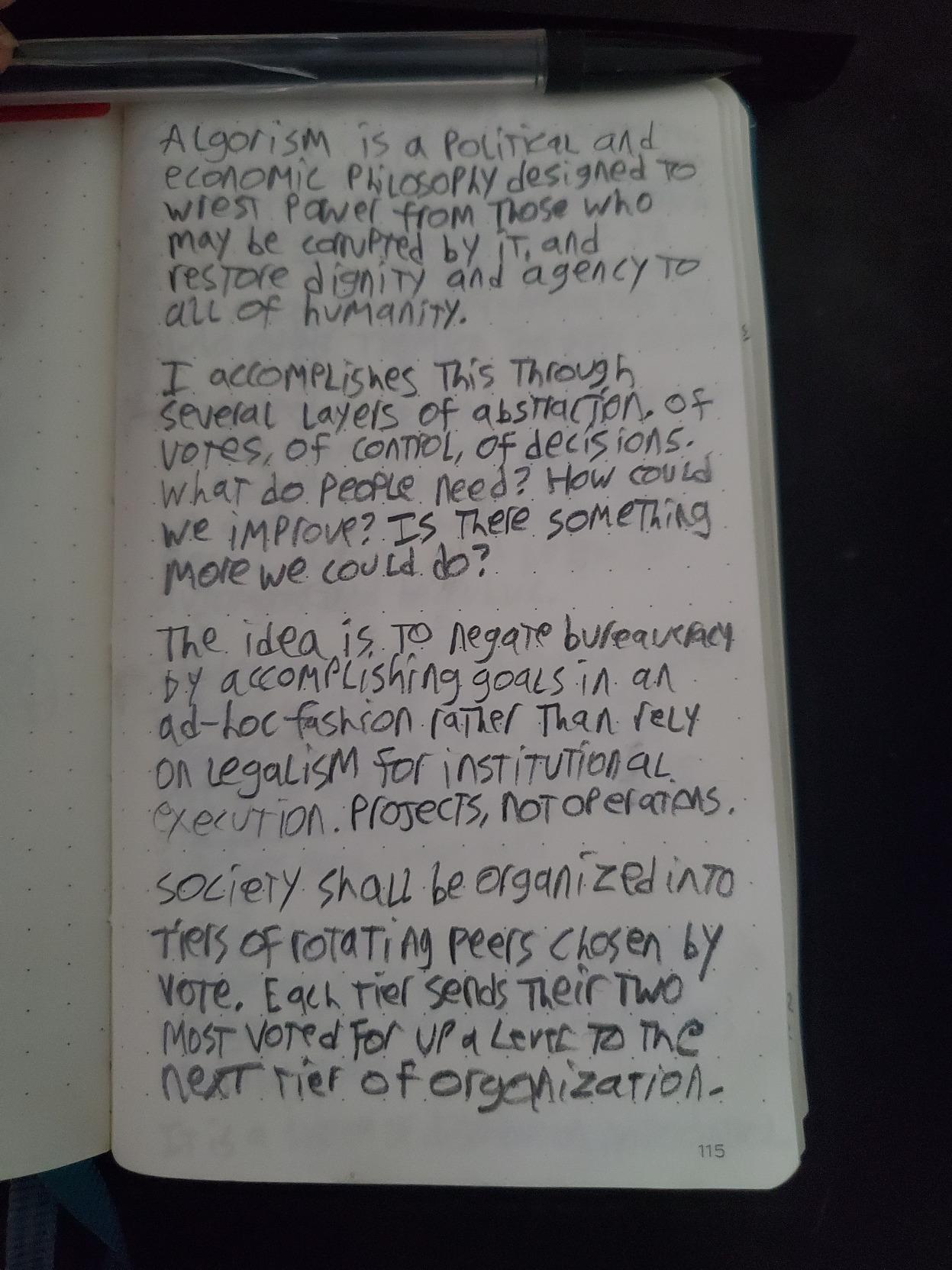
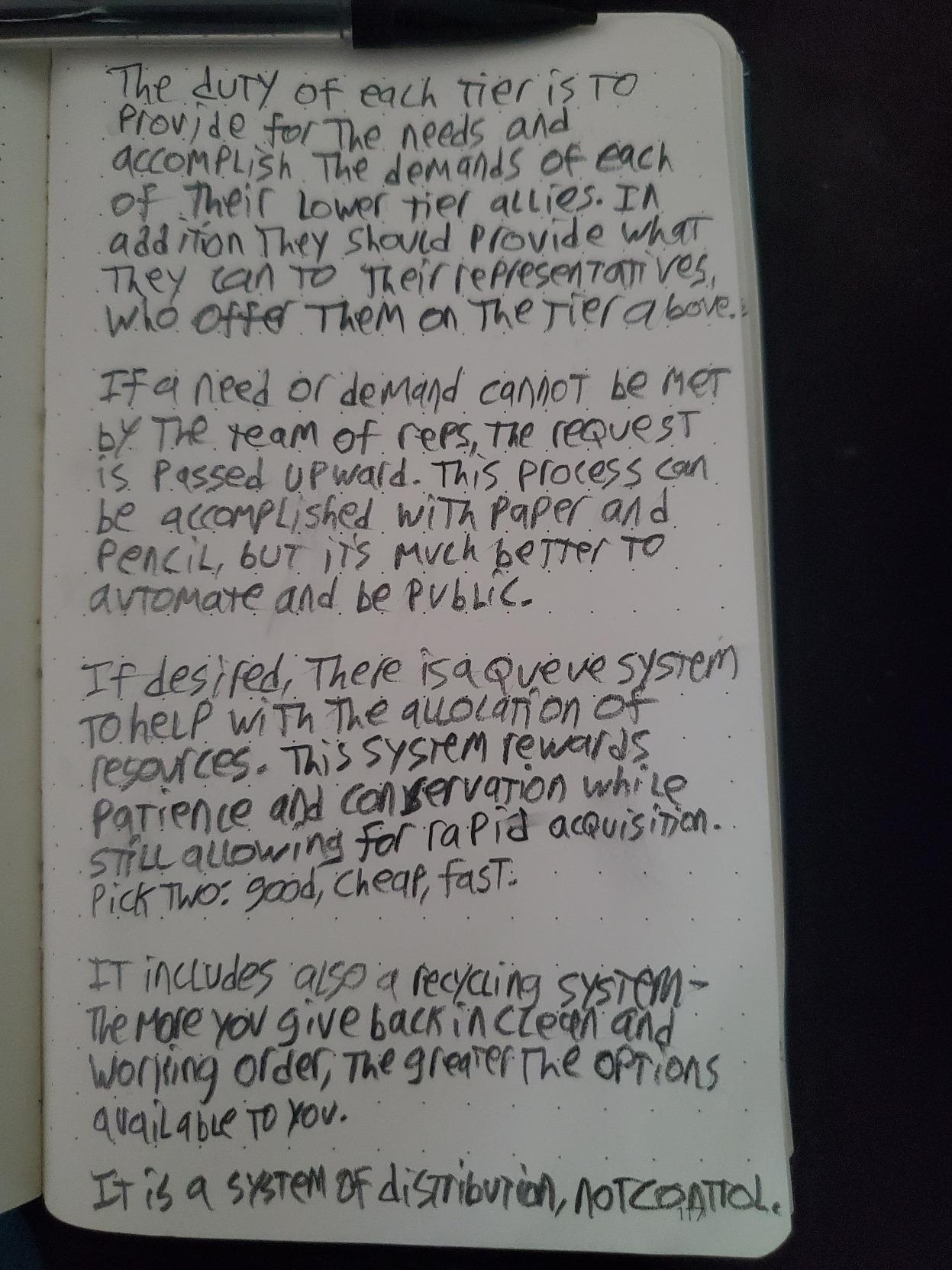
  this is the simplest implementation of scalable anarchism I could think of.
  tell me how it's flawed so I can improve it before I need it.
┌─────────┐                                                            ┌───────────┐
│ similar │                       chronological                        │ different │
╘═════════╧═════════════════════════════════════───────────────────────┴───────────┘
 -> file: fediverse/46
═════════════════════════════════───────────────────────────────────────────────────
  @user-36 neat thanks

  when I said 1-1 = 1/10 I meant 1/1 in decimal except the denominator is in base
  1 meaning it's represented as 10 (since 10 in base 1 equals 1 in base 10. Or
  pretty much any other base.)

  I'm trying to figure out why 00 is undefined. There's a lot of math notation in
  that wikipedia article and I'm working through it bit by bit... I feel like
  there's a bug in the code of the universe and I'm trying to understand it.
  Like... why is dividing by zero undefined? That seems like a bug to me.
┌─────────┐                                                            ┌───────────┐
│ similar │                       chronological                        │ different │
╘═════════╧══════════════════════──────────────────────────────────────┴───────────┘
 -> file: notes/anarchist-programs
════════════════════════════════════════════════════════════════════════════════────
  I'm writing anarchist computer programs. See:

  ceramic
  everysoft
  my game server projects
  similar-differernt (doomscroll) chronological (tldr)
  golems project (unstarted)
  sorenthal-ds
  probably others... none come to mind...
┌─────────┐                                                            ┌───────────┐
│ similar │                       chronological                        │ different │
╘═════════╧════════════════════════════════════════════════════════════╧════════───┘
 -> file: fediverse/1452
═══════════════════════════════════════════─────────────────────────────────────────
  normalize deciding, as a group, who to follow
┌─────────┐                                                            ┌───────────┐
│ similar │                       chronological                        │ different │
╘═════════╧════════════════════════════════────────────────────────────┴───────────┘
 -> file: fediverse/286
═══════════════════════════════════════─────────────────────────────────────────────
  ┌──────────────────────┐
  │ CW: re: mathematics  │
  └──────────────────────┘


  @user-211 I agree! The problem is the limit as x->0 from the left and right
  trend toward different infinities, meaning it's neither -infinity nor
  +infinity. Which makes me think that it's the value that's exactly in the
  middle, AKA zero.

  Why wouldn't 1/0 be zero? Division is just inverse-multiplication, and
  multiplying anything by zero is zero. Why wouldn't division use the same rules?
  I don't understaaaaaand T.T
┌─────────┐                                                            ┌───────────┐
│ similar │                       chronological                        │ different │
╘═════════╧════════════════════════════────────────────────────────────┴───────────┘
 -> file: messages/19
══──────────────────────────────────────────────────────────────────────────────────
  https://www.masteringemacs.org/article/the-emacs-27-edition-of-mastering-emacs-o
  ut-now
┌─────────┐                                                            ┌───────────┐
│ similar │                       chronological                        │ different │
╘═────────┴────────────────────────────────────────────────────────────┴───────────┘
 -> file: fediverse/1125
══════════════════════════════════════════──────────────────────────────────────────
  @user-838

  x2 scales exponentially but it will never equal 3 (using integer values of x of
  course)

  perhaps the force can do things that make the destruction of a planet seem...
  childish and arbitrary
┌─────────┐                                                            ┌───────────┐
│ similar │                       chronological                        │ different │
╘═════════╧═══════════════════════════════─────────────────────────────┴───────────┘
 -> file: fediverse/1754
═══════════════════════════════════════════════─────────────────────────────────────
  @user-217

  the cosmos unfolding, from end to end and back again.
┌─────────┐                                                            ┌───────────┐
│ similar │                       chronological                        │ different │
╘═════════╧════════════════════════════════════────────────────────────┴───────────┘
 -> file: notes/magics-are-rare
════════════════════════════════════════════════════════════════════════════════────
  magician only work magic when forced to. This is because magic is rare.
  It's difficult to create, but if mastered, can have infinity to share.\
  \
  to solve all of entropy and scarcity,
  find a way to use infinity.
  if you can draw from forever,
  if you can wield all of ever,
  if
  then you can make as much as you can grasp.
  immortality tells me there's just a bit more of ever,
  and I trust myself to know infinite things. whenever I reach for more, there
  are more things to know. I am very good at abstraction, says soramech, because
  I can always know connections between types of sets.

  recursively and ever choosing to be choosing, [stack overflow]
┌─────────┐                                                            ┌───────────┐
│ similar │                       chronological                        │ different │
╘═════════╧════════════════════════════════════════════════════════════╧════════───┘
 -> file: messages/1279
═════════════════════════════════════════════════════════════════════════───────────
  based on the nature of interaction.
┌─────────┐                                                            ┌───────────┐
│ similar │                       chronological                        │ different │
╘═════════╧════════════════════════════════════════════════════════════╧═──────────┘
 -> file: fediverse_boost/298
◀═╦════════════════════════[BOOST]══════════════════════════─────────────────────┐
  ║ ┌──────────────────────────────────────────────────────────────────────────┐ │
  ║ │ Define an area as 'safe' and use it as an anchor                         │ │
  ║ │                                                                          │ │
  ║ │  #ObliqueStrategies                                                      │ │
  ║ └──────────────────────────────────────────────────────────────────────────┘ │
  ╠─────────┐                                                        ┌───────────┤
  ║ similar │                     chronological                      │ different │
  ╚═════════╧═══════════════════════════════════════════════─────────┴───────────┴─▶
 -> file: fediverse/4869
═════════════════════════════════════════════════════════───────────────────────────
  https://cryptpad.fr/pad/#/2/pad/view/FlA92SW5bVwGd+L89yV9U0I0SMNiGm3P0P3xS7DqYmA
  /embed/
┌─────────┐                                                            ┌───────────┐
│ similar │                       chronological                        │ different │
╘═════════╧══════════════════════════════════════════════──────────────┴───────────┘
 -> file: fediverse/213
═══════════════════════════════════════─────────────────────────────────────────────
  ┌───────────────────────────────────┐
  │ CW: re: gaming-gambling-mentioned │
  └───────────────────────────────────┘


  [3] at the start of the tournament the total prize money P in the pool is
  assigned to N performance tiers, where N is the Number of attendees. at the
  top, the highest performing athlete will receive 200% of P while the lowest
  performing performance tier will be 0%. It is a non-discrete and gradual linear
  transition.
┌─────────┐                                                            ┌───────────┐
│ similar │                       chronological                        │ different │
╘═════════╧════════════════════════════────────────────────────────────┴───────────┘
 -> file: fediverse/3737
═══════════════════════════════════════════════════─────────────────────────────────
  Nix the complexity.
┌─────────┐                                                            ┌───────────┐
│ similar │                       chronological                        │ different │
╘═════════╧════════════════════════════════════════────────────────────┴───────────┘
 -> file: fediverse/582
═════════════════════════════════════════───────────────────────────────────────────
  @user-431

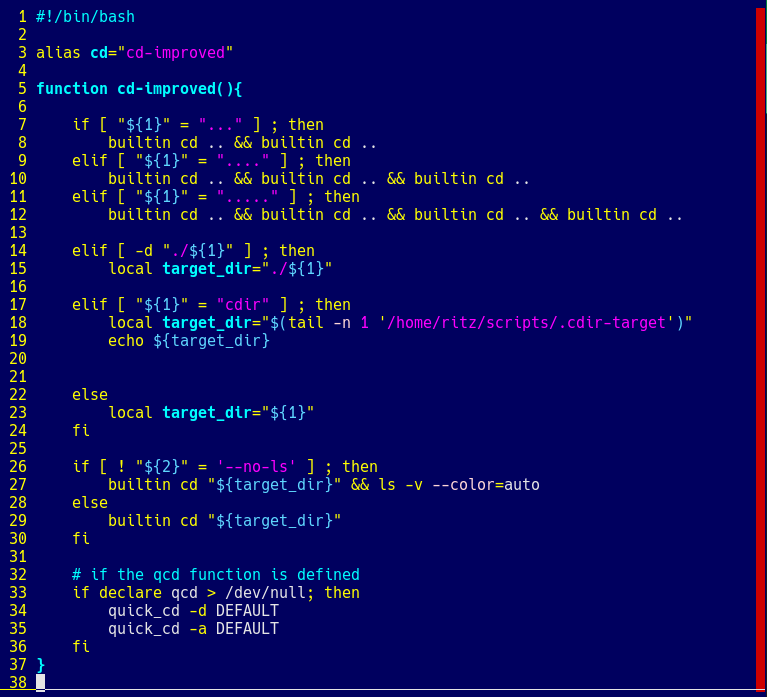
  I made an alias that overwrites cd so I don't have to do this. The important
  line is line 27, you could probably accomplish something similar like this:

  alias cd="cd ${1} && ls -v --color=auto"

  I also set it up so I can change more than one directory up using ... or ....
  or .....

  also I have a few shortcut scripts, cdir and qcd. cdir creates a quick way to
  drop a bookmark wherever I'd like, while qcd can make permanent bookmarks. Also
  qcd makes it so whenever I open a new terminal it opens to the last directory I
  was in, which is nice if you need a new terminal to do something in the current
  folder and you don't want to have to walk alllllllll the way back.
┌─────────┐                                                            ┌───────────┐
│ similar │                       chronological                        │ different │
╘═════════╧══════════════════════════════──────────────────────────────┴───────────┘
 -> file: messages/1246
═════════════════════════════════════════════════════════════════════════───────────
  \
┌─────────┐                                                            ┌───────────┐
│ similar │                       chronological                        │ different │
╘═════════╧════════════════════════════════════════════════════════════╧═──────────┘
 -> file: fediverse/875
══════════════════════════════════════════──────────────────────────────────────────
  @user-192

  block input/output TO the protocol? versus the other one which blocks the
  input/output protocol
┌─────────┐                                                            ┌───────────┐
│ similar │                       chronological                        │ different │
╘═════════╧═══════════════════════════════─────────────────────────────┴───────────┘
 -> file: fediverse/6385
══════════════════════════════════════════════════════════════════════──────────────
  interpreted programs allow you to change variables at run-time from remote.
┌─────────┐                                                            ┌───────────┐
│ similar │                       chronological                        │ different │
╘═════════╧═══════════════════════════════════════════════════════════─┴───────────┘
 -> file: fediverse/439
════════════════════════════════════════────────────────────────────────────────────
  ephemeren is a collection of axes (think like, X and Y on a algebraic graph)
  that expand and comprise all of totality. Oh how audacious, what hubris to
  define infinity? What an icarian desire, to share the shape of reality.

  Ha. HA I say. Humanity is (by nature) audacious. I am a synecdoche for all who
  would view me, so rejoice and take heart in my beauty.
┌─────────┐                                                            ┌───────────┐
│ similar │                       chronological                        │ different │
╘═════════╧═════════════════════════════───────────────────────────────┴───────────┘
 -> file: messages/1518
════════════════════════════════════════════════════════════════════════════────────
  \
┌─────────┐                                                            ┌───────────┐
│ similar │                       chronological                        │ different │
╘═════════╧════════════════════════════════════════════════════════════╧════───────┘
 -> file: messages/324
═════════════════════════════════════════════───────────────────────────────────────
  The difference between front-end and back-end programming is whether or not you
  want to design abstractions or use them. Backend is all about creating abstract
  things that are networked together, while front end is about putting them
  together in a way that suits the user. Front end is collage, back end is pencil
  drawing.
┌─────────┐                                                            ┌───────────┐
│ similar │                       chronological                        │ different │
╘═════════╧══════════════════════════════════──────────────────────────┴───────────┘
 -> file: fediverse/43
═════════════════════════════════───────────────────────────────────────────────────
  @user-36 now base zero is interesting because it means there's NO BUCKETS AT
  ALL, which means that any numbers you try to stuff nowhere don't overflow to
  anywhere. Meaning each number is it's atomic value, and represented with a
  different character. So 0, 1, 2, 3, 4, 5, 6, 7, 8, 9, A, B, C, D, E, F, G, H,
  I, etc etc until we run out of symbols, in which case we'd need to start making
  more.
┌─────────┐                                                            ┌───────────┐
│ similar │                       chronological                        │ different │
╘═════════╧══════════════════════──────────────────────────────────────┴───────────┘
 -> file: fediverse/5061
════════════════════════════════════════════════════════════────────────────────────
  ┌──────────────────────────┐
  │ CW: capitalism-mentioned │
  └──────────────────────────┘


  cooperatives cooperate with capitalism
┌─────────┐                                                            ┌───────────┐
│ similar │                       chronological                        │ different │
╘═════════╧═════════════════════════════════════════════════───────────┴───────────┘
 -> file: notes/computer-graphics
══════════════════──────────────────────────────────────────────────────────────────
  draw a line from every single pixel straight outward. The first thing it hits
  is what you render.

  okay it's more complicated than that, but it's the gist.

  here's a more detailed explanation:

  your monitor is 2560x1440p. that means there's 2560 pixels left to right, and
  1440 pixels up and down. okay so define a 3d scene programmatically - it's not
  hard, just "draw cube here with this size and rotation" and "draw a sphere here
  with this position and rotation" etc. Something simple.

  then, draw a ray trace straight out from your monitor. Not to the nearest light
  source, but to the nearest other camera. Use the length of it to determine
  distance, both indirectly (through the center node) and directly (pythagorean
  theorum style).

  Why? I dunno.

  Okay back to the original idea, if you make an array with 2560 elements and
  store arrays of size 1440 within it, then you have a simple boolean checkbox
  for each pixel. Then, whenever you create a visible entity, make sure there's a
  single boolean ticked right on the top of the entity when it's stored in the
  graph mentioned above. Find the center of the entity, draw to the top, and one
  more, and switch a boolean to "true". Then, every tick / update, cycle through
  the entire list and the first one you find that has a "true" value is where you
  draw the entity stored in the array.

  Each "sprite" has an odd shape - it doesn't exist on it's top line, except for
  one single dot right in the middle. Sorta like this:

  o o o o o o o o o o o o o o o o o o o o o o o o o o o o o o o o o o o o o o o o
  o o o o o o o o o o o o o o o o o o ->X<- o o o o o o o o o o o o o o o o o o o
  x x x x x x x x x x x x x x x x x x x x x x x x x x x x x x x x x x x x x x x x

  when scanning left to right from the top, it'd bump into the X right there in
  the middle. Inside the X is some data - an id corresponding to the sprite that
  needs to be drawn, and a displacement value - like 500 pixels or something -
  and the scanner with drop down 500 pixels, draw the sprite there (assuming a
  centered origin point), jump 500 pixels up, and keep scanning.

  each tick, right before this, the "list of entities" will scan through itself
  and for each entity it'll change the "render graph" mentioned above to have an
  X wherever the entity is stored. Whenever the camera moves, it updates the list
  too.
┌─────────┐                                                            ┌───────────┐
│ similar │                       chronological                        │ different │
╘═════════╧═══════─────────────────────────────────────────────────────┴───────────┘
|