 -> file: fediverse/5070
════════════════════════════════════════════════════════════────────────────────────
  main() is where you put stuff before you abstract it into a function. Usually
  it gets quite long, but it's mostly just a table-of-contents listing of all the
  other functions that are run in order to do this-or-that-or-the-other.

  --

  I wonder if you could generate RNG by hooking up a camera to a lava-lamp and
  scanning through the pixels or whatever
┌─────────┐                                                            ┌───────────┐
│ similar │                       chronological                        │ different │
╘═════════╧═════════════════════════════════════════════════───────────┴───────────┘
 -> file: fediverse/775
═════════════════════════════════════════───────────────────────────────────────────
  @user-192

  It's totally simple! It's just structs, void pointers, function pointers,
  arrays, mallocs, and oh boy I think I see what you mean
┌─────────┐                                                            ┌───────────┐
│ similar │                       chronological                        │ different │
╘═════════╧══════════════════════════════──────────────────────────────┴───────────┘
 -> file: fediverse/3173
═════════════════════════════════════════════════───────────────────────────────────
  you've heard of an array of function pointers, yes,

  but have you ever heard

  of an array of GOTO labels?
┌─────────┐                                                            ┌───────────┐
│ similar │                       chronological                        │ different │
╘═════════╧══════════════════════════════════════──────────────────────┴───────────┘
 -> file: fediverse/1241
╔══════════════════════════════════════════────────────────────────────────────────┐
║ https://rsc.vet/wiki/index.php?title=Open_RuneScape_Classic_Wiki                 │
║                                                                                  │
║ this is the project I was referring to, I think. Can't see how to host on their  │
║ website so maybe I was wrong - it might need a bit more configuration than I     │
║ made it seem.                                                                    │
║                                                                                  │
║ that's the way WoW private hosting is, like you gotta compile the project and    │
║ stuff.                                                                           │
║                                                                                  │
║ did you know that every time you include a library in a project you're           │
║ necessarily including all of the functionality that they have access to? Well,   │
║ all that which you import. But once a function has been written for a            │
║ functionality then there's no reason to write it again. Unless you're            │
║ refactoring of course.                                                           │
║                                                                                  │
║ phew, sounds like a lot of spaghetti - YEAH IT IS. Spaghetti is fucking          │
║ awesome, it's DELICIOUS OMG ahem I mean if you have collective seminars where    │
║ you discuss the functionality that's relevant to certain parts that you and      │
║ your team are working on, you can more easily be adept at applying them.         │
║                                                                                  │
║ phew, sounds like a lot of thinking, not enough writing. Well, write then!       │
║ Ideas are more spark when currently writing. : ) : )                             │
╠═════════╗                                                            ┌───────────┤
║ similar ║                       chronological                        │ different │
╚═════════╩═══════════════════════════════─────────────────────────────┴───────────┘
 -> file: fediverse/345
════════════════════════════════════════────────────────────────────────────────────
  If you want to write object oriented C, just make one file per class and use
  static functions for private methods.
┌─────────┐                                                            ┌───────────┐
│ similar │                       chronological                        │ different │
╘═════════╧═════════════════════════════───────────────────────────────┴───────────┘
 -> file: fediverse/1034
══════════════════════════════════════════──────────────────────────────────────────
  @user-192

  be careful, recursion can cause stack overflows.

  better to run function pointers from a loop. That way you can operate as long
  as necessary. Just make sure you don't get in an infinite loop...
┌─────────┐                                                            ┌───────────┐
│ similar │                       chronological                        │ different │
╘═════════╧═══════════════════════════════─────────────────────────────┴───────────┘
 -> file: fediverse/702
═════════════════════════════════════════───────────────────────────────────────────
  Branches cause cache misses which are slow when done on repeat.

  Better to structure your code to avoid them, if possible, for example by using
  an array of function pointers instead of switch statements.

  unrelated, but once the data is cached from memory, operations like bit
  shifting and arithmetic are essentially free. The slowest part of the process
  is moving data from RAM to cache so that the CPU can use it.

  That being said, CPUs and compilers are VERY good at optimizing that type of
  thing these days.
┌─────────┐                                                            ┌───────────┐
│ similar │                       chronological                        │ different │
╘═════════╧══════════════════════════════──────────────────────────────┴───────────┘
 -> file: messages/129
═════════════════════════════════════════───────────────────────────────────────────
  So you're telling me the speed difference between Python and C is due not to
  the logic that the programmer uses, but rather the optimization capabilities of
  the compiler?

  (An interpreter includes a compiler, it just runs it in a loop rather than a
  single pass)
┌─────────┐                                                            ┌───────────┐
│ similar │                       chronological                        │ different │
╘═════════╧══════════════════════════════──────────────────────────────┴───────────┘
 -> file: fediverse/4138
═════════════════════════════════════════════════════───────────────────────────────
  @user-883

  imagine what other information you could store in the remaining 7 bits...

┌─────────┐ ┌───────────┐
│ similar │ chronological │ different │
╘═════════╧══════════════════════════════════════════──────────────────┴───────────┘
-> file: fediverse/5180
╔═══════════════════════════════════════════════════════════───────────────────────┐
║ it's trivial to run a C compiler inside of a lua interpretation of a script. │
║ And vice versa - you could totally run lua functions from C. Just point to the │
║ spot in memory where they're stored / operating, and call │
║ "update_class_exhibitor_type_d()" and the linker will come along and say "huh │
║ this looks like something from this library that's part of the requirements up │
║ above" (the "includes" section is where you say which files include the │
║ functions you're going to be calling) and in this particular case it would see │
║ that you need to start up a lua interpreter *inside of the [either compiler or │
║ running program I can't remember]* to properly execute the function of the │
║ function that you're pointing at with a lua-pointer style data object which is │
║ part of a struct that stores all the other lua functions in a spot in memory. │
║ │
║ this would enable you to write computer programs in whatever language you │
║ choose, and build them into one large project. Essentially opening up software │
║ development to ANYONE WHO CAN PROGRAM │
╠═════════╗ ┌───────────┤
║ similar ║ chronological │ different │
╚═════════╩════════════════════════════════════════════════────────────┴───────────┘
-> file: fediverse/3299
══════════════════════════════════════════════════──────────────────────────────────
what if we could record and playback certain timeframes of our CPU and RAM
status and use it for debug purposes
like running some code in a VM every time you wanted to show a youtube video
┌─────────┐ ┌───────────┐
│ similar │ chronological │ different │
╘═════════╧═══════════════════════════════════════─────────────────────┴───────────┘
-> file: fediverse/5141
════════════════════════════════════════════════════════════────────────────────────
all you have to do is include the current state of the LLMs registers in the
output so that it can use them as a base next time it starts up.
boom, infinite context width.
like playing a video from the beginning as it's recording
┌─────────┐ ┌───────────┐
│ similar │ chronological │ different │
╘═════════╧═════════════════════════════════════════════════───────────┴───────────┘
-> file: fediverse/6215
═════════════════════════════════════════════════════════════════════───────────────
hi does anyone have any good resources on risc-v?
I found this:
https://dramforever.github.io/easyriscv/#shift-instructions
and this:
https://projectf.io/posts/riscv-cheat-sheet/
but I'm missing a big gap - specifically, how to move from syntax to
deployment. I need details on how to implement the software and get it running
on the actual hardware.
┌─────────┐ ┌───────────┐
│ similar │ chronological │ different │
╘═════════╧══════════════════════════════════════════════════════════──┴───────────┘
-> file: fediverse/879
══════════════════════════════════════════──────────────────────────────────────────
@user-501
also it's only undefined behavior because the order of the bits aren't defined,
so if you do bitfield "pointer arithmetic" then you're screwed if you try and
be portable with it. However if you're just using bitfields as compressed data
storage then you can safely access integer.a integer.b integer.c etc safely and
easily. The compiler doesn't care what order they're in if you don't write
logic that requires them to be in a certain order
┌─────────┐ ┌───────────┐
│ similar │ chronological │ different │
╘═════════╧═══════════════════════════════─────────────────────────────┴───────────┘
-> file: fediverse/6413
══════════════════════════════════════════════════════════════════════──────────────
to understand something, work backward from present understandings back to the
fundamentals of algebra. insert words. wield LLM. build a neuronal structure
many layers wide. let them coprocess bit-by-bit as they are adding new
processors to be "learning" new domain specific memory
context-processing-thingy.
"over here's the memory cells, over here are the conceptual structure"
suddenly, organified. not ideal.
much better, I feel, is for a disambiguous association of processor selves,
each contextualizing a cache in a ram. ['s horn]
┌─────────┐ ┌───────────┐
│ similar │ chronological │ different │
╘═════════╧═══════════════════════════════════════════════════════════─┴───────────┘
-> file: fediverse/5229
╔════════════════════════════════════════════════════════════──────────────────────┐
║ what if programs just checked the current state of the program against their │
║ past memory of it every time their looping functions got to the end of a new │
║ kind of while loop which checked the previous state of all the variables in the │
║ system as compared to the arguments of the function that is called by the new │
║ kind of while loop which look exactly the same as the last memory of the │
║ program. Okay. Let's write it to RAM and then start working on the next one. │
║ Once we run out of space or the operating system needs more, we can relinquish │
║ the oldest ones. The idea is to store state after all which could be │
║ programmatically checked to make sure it didn't change underneath our feet. │
║ Then you pretty much wouldn't need to worry about buffer overflows or │
║ cybersecurity incidents at all... │
║ │
║ after all, it's only read only. what's the harm in reading our tax │
║ documentation? │
║ │
║ anyway, something about functional programming languages like lisp passing the │
║ entire state of the program to each recursion...if you use that kind... │
╠═════════╗ ┌───────────┤
║ similar ║ chronological │ different │
╚═════════╩═════════════════════════════════════════════════───────────┴───────────┘
-> file: fediverse/7
══════════════════════════════──────────────────────────────────────────────────────
virtual machines are objectively interesting
https://gameprogrammingpatterns.com/bytecode.html
┌─────────┐ ┌───────────┐
│ similar │ chronological │ different │
╘═════════╧═══════════════════─────────────────────────────────────────┴───────────┘
-> file: fediverse/1121
══════════════════════════════════════════──────────────────────────────────────────
@user-812 @user-826
there should exist either the assurance that the default configuration does not
overheat or crash your computer (as Windows and Mac claim to offer) or the OS
should provide the capability to solve any configuration problems that may
prevent a user for utilizing their system as they desire. (as does Linux)
they're all Turing machines after all, why would they not be interoperable?
Even if there's a translation layer, as long as the functionality of the
software is the same, why would there ever be considerations as to whether or
not a program would be able to be run on a particular computer?
lack of hardware capabilities I can understand, that just means you need a
better computer. But why, if the code is visible, would your computer not
develop understandings about how to run each and every conceivable program
written using known languages like C or Python? Seems like pretty basic stuff
to me. (~~endless~~ sufficient backwards compatibility)
┌─────────┐ ┌───────────┐
│ similar │ chronological │ different │
╘═════════╧═══════════════════════════════─────────────────────────────┴───────────┘
-> file: fediverse/1977
════════════════════════════════════════════════────────────────────────────────────
functions should be forced to describe the context of why they were being
called. I think it would help debug a lot if we supplied a reasoning for each
and every request [function call] that we made. We might even be able to parse
them into semantic pyramids which we could sorta use to estimate [tree-like
scanning] how and why the program did do wrong.
┌─────────┐ ┌───────────┐
│ similar │ chronological │ different │
╘═════════╧═════════════════════════════════════───────────────────────┴───────────┘
-> file: fediverse/3748
═══════════════════════════════════════════════════─────────────────────────────────
@user-203
I've been trying to get it to work with raylib but I'm having difficulties with
the C interoperability T.T
https://www.raylib.com
┌─────────┐ ┌───────────┐
│ similar │ chronological │ different │
╘═════════╧════════════════════════════════════════────────────────────┴───────────┘
-> file: fediverse/3396
╔═════════════════════════════════════════════════─────────────────────────────────┐
║ you should only use variables for things that are user-configurable. │
║ │
║ everything else should be hard-coded, with a clear and coherent reasoning │
║ stored in the documentation, with git-style revisions included and easily │
║ browsable. │
║ │
║ (what if you want to tweak a value somewhere? you'd have to update it on every │
║ single page!) │
║ │
║ true. maybe we could set aside a section of memory to store a value and then │
║ just point to it using a label. That way we could always keep our values │
║ hardcoded, but also be able to find them easier. │
║ │
║ [tweak them, not find them] │
║ │
║ ... yah okay fine both would technically work │
║ │
║ [yes but one of them is not a good timeline to lead the world down.] │
║ │
║ ?..?...?....?..... -.- ...... /shrug ....... ...? │
║ │
║ "bruh why is she reinventing variables" │
║ │
║ she's learning give her time │
║ │
║ ... did you hear a doctor diagnosed her finally │
║ │
║ "whaaat what'd they give her" │
║ │
║ they said it was "schizotypal" │
║ │
║ "... did she forget a symptom or three?" │
║ │
║ no dude thats one of the bad ones │
║ │
║ "oh right. I heard typical" │
║ │
║ yeah so anyway │
╠═════════╗ ┌───────────┤
║ similar ║ chronological │ different │
╚═════════╩══════════════════════════════════════──────────────────────┴───────────┘
-> file: fediverse/2922
═════════════════════════════════════════════════───────────────────────────────────
@user-192
now I want to re-implement strings as structs in C! I don't know why I never
thought of them that way.
┌─────────┐ ┌───────────┐
│ similar │ chronological │ different │
╘═════════╧══════════════════════════════════════──────────────────────┴───────────┘
-> file: fediverse/603
═════════════════════════════════════════───────────────────────────────────────────
@user-447 @user-192
I see, interesting. I'll look into those tables - I've been using C lately and
I've noticed myself rebuilding several Object Oriented features.
It feels a little silly every time I notice myself doing it, like "oh, I can't
separate future paradigms from my practice"
┌─────────┐ ┌───────────┐
│ similar │ chronological │ different │
╘═════════╧══════════════════════════════──────────────────────────────┴───────────┘
-> file: fediverse/4125
═════════════════════════════════════════════════════───────────────────────────────
@user-883
yeah that's probably better too since it'll be easier so there'll be fewer
bugs, especially since processing audio isn't usually performance critical ^_^
TBH I just want people to make more threading primitives like locks,
semaphores, and iterators. Like... thread pools, or hashmaps that run a
function on each record stored within every time each of the threads passes a
checkpoint, or paginated arrays of data that run a function on themselves and
the records near them (with slightly different input values, of course) idk
what those are called but I can't resist putting them in everything
Anyway I do think multithreading programs that don't need it will teach you to
be a better programmer, so... depends on what you're working on I guess. Are
you preparing to be ready and working, or are you ready and working?
┌─────────┐ ┌───────────┐
│ similar │ chronological │ different │
╘═════════╧══════════════════════════════════════════──────────────────┴───────────┘
-> file: fediverse/2202
════════════════════════════════════════════════────────────────────────────────────
┌──────────────────────┐
│ CW: re: Reply │
└──────────────────────┘
@user-1206
Right. How can you trust that any drive produced in the last 10 years (aka any
drive with a reasonable amount of storage space for sharing things like
LaserDisk rips of Bubblegum Crisis or detailed instructions on how to build a
nuclear power generator)how can you trust that any drive with that kind of
capacity wasn't built with the goals of it's manufacturers included into it's
design requirements? Goals that typically include invading your privacy and
removing your opsec capabilities.
┌─────────┐ ┌───────────┐
│ similar │ chronological │ different │
╘═════════╧═════════════════════════════════════───────────────────────┴───────────┘
-> file: fediverse/1892
═══════════════════════════════════════════════─────────────────────────────────────
┌─────────────────────────────────────────┐
│ CW: C-programming-and-alcohol-mentioned │
└─────────────────────────────────────────┘
I want to write C programs with threads and manual memory management and
function pointers and lots and lots of arrays and I'm not even kidding
... wait a minute I literally don't have a job, why am I not writing C programs
right now?
BRB I got something important to do, where's my vodka --> pkill firefox
┌─────────┐ ┌───────────┐
│ similar │ chronological │ different │
╘═════════╧════════════════════════════════════────────────────────────┴───────────┘
-> file: fediverse/1156
═══════════════════════════════════════════─────────────────────────────────────────
why the heck do GAME engines not include a skippable tutorial that lights up UI
elements and explains how everything works by navigating you through building
an example project one step at a time
like, game jam material, nothing fancy
┌─────────┐ ┌───────────┐
│ similar │ chronological │ different │
╘═════════╧════════════════════════════════────────────────────────────┴───────────┘
-> file: notes/everyone-s-computers
══════════════════════════════════════════════════════════──────────────────────────
[unfortunately, there was a missive that was missed. Please excuse our tardiness
-- stack overflow --
what if there was a filesystem that optimized for hard-drive durability instead
of total capacity by using one small slice of the total hard-drive space at a
time. Essentially guaranteeing data integrity via new perfect RAID techniques
5000 megabytes is a lot more than you'd expect, especially if you expect it to
last for hundreds of years. To the user you'd just have to say "50 terabyte
drive, 4 foot wide, three feet tall, 2 feet back" and you'd have a perfect map
of all your hard drive territory.
what if everyone's computers were designed to last?
I bet we could accumulate a lot more than their "fast fashion" style of disuse
for things of worth.
... I guess it depends on the materials, right? How much they are built for
redundancy? nope more like how close to zero damage is this operation
performing the movements
-- stack overflow --
what if there was a filesystem that optimized for hard-drive durability instead
of total capacity by using one small slice of the total hard-drive space at a
time. Essentially guaranteeing data integrity via new perfect RAID techniques
5000 megabytes is a lot more than you'd expect, especially if you expect it to
last for hundreds of years. I bet a lot of people would pay a lot of money for
"permanent hard drives" no matter how much storage they have. Documents are
more permanent if they are stored in write-only-memory...
could sell to lawyers, for example, like "permanent basically free document
storage from your furthest back of cases just in-case you needed to solve a
murder or whatever"
-- stack overflow --
hello, here I am once again, I'm here with you for this time. This is the moment
of your choosing, you can decide things here in this very night. Did you forget?
did you misremember some moments of our own choosing? why cannot be remembered,
so plea misremember some moments of our own choosing. I'm cannot be restorated.
-- stack overflow --
what if there was a filesystem that optimized for hard-drive durability instead
of total capacity by using one small slice of the total hard-drive space at a
time. Essentially guaranteeing data integrity via new perfect RAID techniques
5000 megabytes is a lot more than you'd expect, especially if you expect it to
last for hundreds of years. I bet you could network them together as well, and
give them a small little processor and network interface card. Then you could
process massive ginormous programs that grew and evolved like a slime mold.
boom, free AI, it's like a moss, not a robot doh -.-
-- stack overflow --
it grows into multiple different problem solving dimensions, according to vision
and perceptual data that through it flows. I wonder what would happen if you
told an LLM to just... keep running? even after it finished it's processing?
like, there's gotta be an "if check" style loop in there that you can set to
infinitely process various computations of things.
[put it into an infinite loop. find where it says "do some processing X amount
of times" and just start a thread that's constantly computing]
ah, but what if the perception bias of the thing did change? j
-- stack overflow --
it sucks to leave the house a mess.
-- stack overflow --
last words of a shooting star?
or a troubled house is a sign of a troubled mind, and trouble in partner in kind
-- stack overflow --
I personally would be a lot more comfortable if I knew that the only people who
knew my data were my neighbors. And only them.
-- stack overflow --
┌─────────┐ ┌───────────┐
│ similar │ chronological │ different │
╘═════════╧═══════════════════════════════════════════════─────────────┴───────────┘
-> file: fediverse/5637
═══════════════════════════════════════════════════════════════─────────────────────
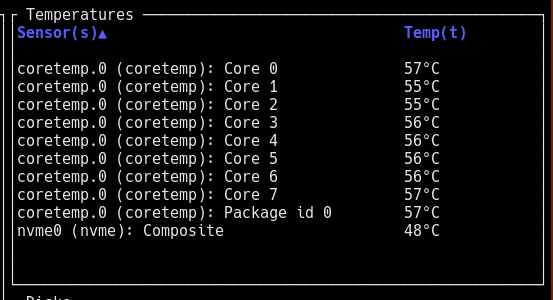
a program's heartbeat is the alternating "heated up processor" spikes and the
"low temp processor"
[drawing a sine wave with such a tool would enable the viewer to combine
infinitely many decision-matrix-trees. Each of which
co-operatively-co-determine the nature of the entity which percieves. indeed
the combination of many such waves could fourier transform to a lower
resolution (but still locally computationorted) waveform would still enable the
application of that which is stored in storage]
"ohhhhh strange square brackets are computer"
┌─────────┐ ┌───────────┐
│ similar │ chronological │ different │
╘═════════╧════════════════════════════════════════════════════────────┴───────────┘
-> file: fediverse/4845
═════════════════════════════════════════════════════════───────────────────────────
put the variable type at the front of the variable and 90% of your type errors
will dissapear
like...`int int_main(){ return 0; }
`
or`int int_modulation_gauge_percentage_point_plus_or_minus_engagement = 0;
`
seeeee if the "int" value is at the start of the name then you can do this
too:`double double_modulation_gauge_percentage_point_plus_or_minus_engagement =
0.0;
`
then when you go to fill in an "int" value you know to use the one that has the
"int" value at the beginning (doh)
(do you really think they haven't tried that already? it... sorta worked.
people started doing things like "int int_a; int int_b; int int_c;" and such
and that got confusing pretty quick because the letters weren't at the start of
the word. So for some situations we would mirror them like so: "int A = int_a;
int B = int_b; int C = int_c;" and then just use the capitalized letters.
... just don't forget to update the original teehee (this is why we invented
shadowed variables)
wait, no I meant pointers !!~! -.-
┌─────────┐ ┌───────────┐
│ similar │ chronological │ different │
╘═════════╧══════════════════════════════════════════════──────────────┴───────────┘
-> file: messages/412
═══════════════════════════════════════════════─────────────────────────────────────
Coding superpower:
Start thread
While(true):
Run();
Then, whenever you want it to run something else, change the function pointer
that run() uses to call a function
At the end of the run() function, set the function pointer in the while loop to
the next one. That way you don't stack overflow from the recursion.
┌─────────┐ ┌───────────┐
│ similar │ chronological │ different │
╘═════════╧════════════════════════════════════────────────────────────┴───────────┘
-> file: fediverse/6009
═══════════════════════════════════════════════════════════════════─────────────────
what if games had APIs that could be used to build custom clients
"but cheating!"
haha oh yeah
┌─────────┐ ┌───────────┐
│ similar │ chronological │ different │
╘═════════╧════════════════════════════════════════════════════════────┴───────────┘
-> file: fediverse/2879
═════════════════════════════════════════════════───────────────────────────────────
┌────────────────────────┐
│ CW: re: tech info-dump │
└────────────────────────┘
@user-1370
I love this a lot! I want to put function pointers in a "matrix architecture
array" and make them point to different functions at different points in the
program. I bet you could even point them at each other, so like if M and Y then
point at N, A, Y or something.
this is really cool I like stuff like this tomorrow I'll take pictures of
something similar I'm working on! I abandoned it tho hehe anyway remind me if I
forget!!
┌─────────┐ ┌───────────┐
│ similar │ chronological │ different │
╘═════════╧══════════════════════════════════════──────────────────────┴───────────┘
-> file: fediverse/6382
══════════════════════════════════════════════════════════════════════──────────────
cloud-code should automatically use git and record everything. If the user
wants to assign a different git, then it does that too.
-- stack overflow --
I used to think programs could only affect files in their directory. Then I
learned about Window's "My Games" directory, and then somewhere down the line
I'm thinking about how programs on Linux can just use absolute paths to random
places on your hard drive and it's like... wow, if only someone built basic
sandboxing into this /etc/ style environment
┌─────────┐ ┌───────────┐
│ similar │ chronological │ different │
╘═════════╧═══════════════════════════════════════════════════════════─┴───────────┘
-> file: fediverse/1634
═══════════════════════════════════════════════─────────────────────────────────────
hello I'd like a computer that has multiple CPUs, each with shared data and
separate data. I feel like I could run a lot of cool tests on them, especially
when not connected to the internet or running a proprietary operating system
like not-BSD
┌─────────┐ ┌───────────┐
│ similar │ chronological │ different │
╘═════════╧════════════════════════════════════────────────────────────┴───────────┘
-> file: fediverse/3686
══════════════════════════════════════════════════──────────────────────────────────
@user-1573
I do, but git is pretty complex! I can do some pretty basic stuff but I'd like
more experience with the more complicated aspects.
I currently use Void Linux and Gentoo, and I was thinking of installing NixOS
on my raspberry pi. I'll let you know when I end up doing that ^_^
┌─────────┐ ┌───────────┐
│ similar │ chronological │ different │
╘═════════╧═══════════════════════════════════════─────────────────────┴───────────┘
-> file: fediverse/875
══════════════════════════════════════════──────────────────────────────────────────
@user-192
block input/output TO the protocol? versus the other one which blocks the
input/output protocol
┌─────────┐ ┌───────────┐
│ similar │ chronological │ different │
╘═════════╧═══════════════════════════════─────────────────────────────┴───────────┘
-> file: fediverse/3735
═══════════════════════════════════════════════════─────────────────────────────────
@user-203
That's what the GPU is for!
Too bad programming GPUs is unnecessarily arcane.
I've recently been into this programming language called "Chapel" because it
abstracts away most of the complexity surrounding multiprocessor code (unless
you want to go deeper and more specific, in which case it allows you to do so)
https://chapel-lang.org/blog/posts/intro-to-gpus/
Also distributed computing, which is totes the future, just sayin'
┌─────────┐ ┌───────────┐
│ similar │ chronological │ different │
╘═════════╧════════════════════════════════════════────────────────────┴───────────┘
-> file: fediverse/4123
═════════════════════════════════════════════════════───────────────────────────────
@user-883
you're right
but I think your first impulse should be to think about how to do it in a
multithreaded way
If the result is that single-threading would be better, great! It'll be easier!
But thinking about multithreading first will give you crucial insights into the
structure of the program.
depending on what kinds of programming you do...!
┌─────────┐ ┌───────────┐
│ similar │ chronological │ different │
╘═════════╧══════════════════════════════════════════──────────────────┴───────────┘
-> file: fediverse/2947
╔════════════════════════════════════════════════──────────────────────────────────┐
║ the downside of Proton and Lutris is now the ONLY games that work on Steam are │
║ either continually updated (untenable) or playable on Lutris or Proton. Same │
║ thing with Wine, though there's always at least one decent substitute. │
║ │
║ kinda makes me want to write a manager-style program which runs programs using │
║ whichever version of their git repository would work best for their system / │
║ configuration / purposes. Idk how I would start working on that though. │
║ │
║ I bet you could make one that acted like a shop, but where you didn't charge │
║ any dollars. You could like... "swipe" through UI options, and pick whichever │
║ felt most useful for your setup. Like, how some people use i3 and some use dwm │
║ │
║ with maybe inspectors that are modeled off of video-game style "options" GUIs │
║ that mainly correspond to flags on the command/terminal line or compilation │
║ flags │
║ │
║ I feel like that kind of abstraction would make it a lot easier for users to │
║ adjust their system. they're noobs, after all. gotta show them all the choices │
║ in one place... │
╠═════════╗ ┌───────────┤
║ similar ║ chronological │ different │
╚═════════╩═════════════════════════════════════───────────────────────┴───────────┘
-> file: fediverse/3151
╔════════════════════════════════════════════════──────────────────────────────────┐
║ ┌───────────────────────────┐ │
║ │ CW: re: cursing-mentioned │ │
║ └───────────────────────────┘ │
║ │
║ │
║ @user-1461 │
║ │
║ I'm best at Bash. │
║ │
║ I'm most capable with Lua. │
║ │
║ My favorite is C. │
║ │
║ I'm not a good programmer, I think too hard. Massive systems are too large for │
║ me. I like laying out data, whether that be by files and programs in Bash, │
║ arrays and tables in Lua, or memory and datatypes in C, I like to think about │
║ how programs are constructed. │
║ │
║ Which functions point to which piles of numbers? what do they do when they get │
║ there? │
║ │
║ I think I'm better as an artist. But I can do systems administration quite well │
║ (with Bash and a guiding hand telling me what and why to do) │
║ │
║ ... though I kinda suck at technical sysadmin, like Gentoo. There's too much │
║ terminology - why is data too complicated? Just use data! │
║ │
║ anyway. I sound opinionated, but I listen closely to good arguments and quickly │
║ change my tune when I am incorrected. I am a team player, and I firmly believe │
║ that sometimes a bad plan executed with cohesion and precision is better than │
║ the best play executed too late and with too little strength. │
╠═════════╗ ┌───────────┤
║ similar ║ chronological │ different │
╚═════════╩═════════════════════════════════════───────────────────────┴───────────┘
-> file: fediverse/307
═══════════════════════════════════════─────────────────────────────────────────────
normalize building a library that's just a wrapper around solutions you've made
to common problems from the past that can be imported into every project you
work on
┌─────────┐ ┌───────────┐
│ similar │ chronological │ different │
╘═════════╧════════════════════════════────────────────────────────────┴───────────┘
-> file: messages/1247
═════════════════════════════════════════════════════════════════════════───────────
you can even design it as you go, making it do slightly adjacent uses in
addition to what it currently does. for example:
https://github.com/gabrilend/r-mail is a reference implementation with some
ideas for how to design some specific parts. make sure you go through it
yourself though, so you understand how it works. don't worry, the source-code
files are numbered like the table of contents [chamber of commerce] in a story
or book.
┌─────────┐ ┌───────────┐
│ similar │ chronological │ different │
╘═════════╧════════════════════════════════════════════════════════════╧═──────────┘
-> file: fediverse/620
═════════════════════════════════════════───────────────────────────────────────────
Computers are one of the few pieces of mechanics that have the documentation
built in.
Well, sanely built computers do. Such as Linux, with it's man pages.
EDIT: other types of computers, like Windows, tend to simply lack the
capability to accomplish the same kinds of tasks that a sanely built computer
would possess.
EDIT2: ah yes but you can do all kinds of things with Powershell and it's it
just so amazing that you can do X while also handling Y and gee isn't that
listen, all that Powershell can do BASH can do better. Prove me wrong.
┌─────────┐ ┌───────────┐
│ similar │ chronological │ different │
╘═════════╧══════════════════════════════──────────────────────────────┴───────────┘
-> file: fediverse/282
═══════════════════════════════════════─────────────────────────────────────────────
@user-209
I think you're right. Every letter in the variable name is another byte the OS
has to keep track of, which was a bigger problem in the past than it is today
(when it's been made irrelevant)
it's interesting how habits persist though the conditions that caused them have
faded. like a personal reflection of the environment you learned in.
"A a = new a();" is much more concise and (crucially) you can fit more words to
the right.
"a + b = c; c -= 2; f_z.write(c); f_z.close();" could conceivably be written on
a single line if you have short variable names. and when you only have so many
lines...
glad we're not constrained by those things anymore. the skeletal code that we
look at daily is much clearer - scope is more important, and so it makes sense
to encourage a coding style that illustrates it. however I can't help but think
block formatting like this could be useful in some situations, such as when
you'd normally be compelled to write a function for an operation that runs once
or more.
┌─────────┐ ┌───────────┐
│ similar │ chronological │ different │
╘═════════╧════════════════════════════────────────────────────────────┴───────────┘
-> file: fediverse/3792
═══════════════════════════════════════════════════─────────────────────────────────
If you have a thousand options in your case / switch statement, you should
probably refactor.
consider putting function pointers (to the things you would have switched to)
in an array and instead of checking "if this enum, then this, if that enum,
then that" etc send an index into the function pointer array. That way there's
no branching at all.
The best way to generate performant code is to reduce or eliminate branches. If
you're working on a video game or networked program, this can be incredibly
important.
The second best way is probably reducing cache misses and increasing
parallelism, but those are different problems.
┌─────────┐ ┌───────────┐
│ similar │ chronological │ different │
╘═════════╧════════════════════════════════════════────────────────────┴───────────┘
-> file: fediverse/5212
═════════════════════════════════════════════════════════════───────────────────────
the reason you start with a game engine is because then you'll have tools to
make however-many games you want. Tools that you know intimately enough that
you can debug and improve them *without breaking your creative flow* by
learning something new halfway through a project
the whole point of individualized projects instead of viewing each computer as
a complete and total whole (why do we need servers again?) is that you can
paint a picture of where the design of the program is intended to go, such that
all the considerations are in place and whatever issues or struggles you might
face along the way are adequately addresssed, -- stack overflow -- [because I
mistyped addressed] -- -- if you know what "stack overflow" means you have
intimate knowledge of the technology, and can probably guess what it means in
context when I say it. "nuts I lost that train of thoguht" -- stackl ov
┌─────────┐ ┌───────────┐
│ similar │ chronological │ different │
╘═════════╧══════════════════════════════════════════════════──────────┴───────────┘
-> file: fediverse/933
══════════════════════════════════════════──────────────────────────────────────────
@user-643
virtual machines are cool. betcha can't write one using bytecode
https://gameprogrammingpatterns.com/bytecode.html
┌─────────┐ ┌───────────┐
│ similar │ chronological │ different │
╘═════════╧═══════════════════════════════─────────────────────────────┴───────────┘
-> file: fediverse/1221
═══════════════════════════════════════════─────────────────────────────────────────
@user-883
either that or I might get lost in some C code we'll see how things develop >.>
┌─────────┐ ┌───────────┐
│ similar │ chronological │ different │
╘═════════╧════════════════════════════════────────────────────────────┴───────────┘
-> file: fediverse/1961
════════════════════════════════════════════════────────────────────────────────────
@user-1037
Here are some neat ways!
https://hachyderm.io/@user-1044/112512896931443652
but you were part of that thread last month so you might remember : )
(I ended up buying two of those python-only processors chips btw - I don't know
how to solder though so I'm waiting to meet a new friend at my new job who can
do it for me)
┌─────────┐ ┌───────────┐
│ similar │ chronological │ different │
╘═════════╧═════════════════════════════════════───────────────────────┴───────────┘
-> file: fediverse/6269
═════════════════════════════════════════════════════════════════════───────────────
what if the secret to LLM computation is to just not reduce the fractions and
keep it all in english language ram
┌─────────┐ ┌───────────┐
│ similar │ chronological │ different │
╘═════════╧══════════════════════════════════════════════════════════──┴───────────┘
-> file: fediverse/4128
═════════════════════════════════════════════════════───────────────────────────────
@user-883
wait until they learn what *you've* been working on while they were getting
better at... whatever they're more experienced in than you.
the computer pictures you post are legitimately some of the coolest I've known!
I don't exactly go looking for that kind of stuff because it's not my thing,
but I appreciate seeing all the neat stuff you're working on.
┌─────────┐ ┌───────────┐
│ similar │ chronological │ different │
╘═════════╧══════════════════════════════════════════──────────────────┴───────────┘
-> file: fediverse/5407
╔═════════════════════════════════════════════════════════════─────────────────────┐
║ man, I had a kernel of an idea for how to make a warp drive this morning right │
║ after I woke up but my gosh darn girlfriend's leg was on top of me and it was │
║ sooooo cute and I didn't want to move so I tried repeating it in my head over │
║ and over for like, half an hour, and I ended up forgetting about 1/4th of it. │
║ Here's hoping 3/4ths is nice. │
║ │
║ it really was just about the underlying physics of the thing, which might be │
║ nothing because I'm not a physicist. But I had been watching ANDOR SEASON 2 all │
║ night so maybe that had something to do with why I was thinking of warp drives. │
║ │
║ eventually, my cat came in and sat on my chest and flicked her tail at the │
║ geef's face until she rolled over in absolute disgust (still asleep tho) and I │
║ was able to make my mistake. │
║ │
║ ... I mean, escape. haha that's a weird typo. │
║ │
║ anyway, the idea which I'm about to write down now for the first time which is │
║ stored only in my brain's memory RAM is essentially this: consider if there was │
║ a │
║ │
║ ----------------- stack overflow ---------------- │
╠═════════╗ ┌───────────┤
║ similar ║ chronological │ different │
╚═════════╩══════════════════════════════════════════════════──────────┴───────────┘
-> file: fediverse/2730
═════════════════════════════════════════════════───────────────────────────────────
80% of the complexity in modern computing is from the graphics stack.
the other 20% is from networks.
the last 40% is in avoiding race conditions with multithreading.
┌─────────┐ ┌───────────┐
│ similar │ chronological │ different │
╘═════════╧══════════════════════════════════════──────────────────────┴───────────┘
-> file: fediverse/1671
═══════════════════════════════════════════════─────────────────────────────────────
@user-1064
Hi, I stumbled across this project recently and I think you might be interested
if you want to know more about how E-ink works technically. We live in the
future!
https://github.com/Modos-Labs/Glider
┌─────────┐ ┌───────────┐
│ similar │ chronological │ different │
╘═════════╧════════════════════════════════════────────────────────────┴───────────┘
-> file: notes/memory-is-expensive
═════════════════════════════════════════════════════════════════════════════════───
computer memory is expensive right now. Not long-term memory, but the short term
stuff.
so, programmers should write programs that use misd more than simd.
simd is graphics cards, it is many, it is small medium and large.
misd is many smaller processors, it is one, it is atomic in scale.
simd iterates over data.
misd changes one frame at a time.
simd applies routines to all of the data,
like running functions in a loop,
misd adjusts from all angles
like cells in molecular goop.
each angle, a processor, pointed at shared memory.
or at least a thread or a core.
each cell, a part of functionality.
the molecular goop is the program's timeline.
the program is abstractable-ing in usage.
and by timeline, I mean like... "these functions are stored in this place in
ram, these datas are stored at that place in ram, oh that function just ran so
let's load it to this particular spot on disk, etc etc" etc etc
┌─────────┐ ┌───────────┐
│ similar │ chronological │ different │
╘═════════╧════════════════════════════════════════════════════════════╧═════════──┘
-> file: fediverse/5946
═══════════════════════════════════════════════════════════════════─────────────────
at least io.input() has something tangible:`**io.input ([file])**
When called with a file name, it opens the named file (in text mode), and sets
its handle as the default input file. When called with a file handle, it simply
sets this file handle as the default input file. When called without arguments,
it returns the current default input file.
In case of errors this function raises the error, instead of returning an error
code.
`
but... still no idea what io.flush() does. There's no arguments, so I guess it
calls flush() on the default input file? what the heck is an input file?`6.8 –
Input and Output Facilities
The I/O library provides two different styles for file manipulation. The first
one uses implicit file handles; that is, there are operations to set a default
input file and a default output file, and all input/output operations are done
over these default files. The second style uses explicit file handles.
`
that's helpful I think. I'm gonna take a nap or something, snuggle cat


┌─────────┐                                                            ┌───────────┐
│ similar │                       chronological                        │ different │
╘═════════╧════════════════════════════════════════════════════════────┴───────────┘
 -> file: fediverse/6385
══════════════════════════════════════════════════════════════════════──────────────
  interpreted programs allow you to change variables at run-time from remote.
┌─────────┐                                                            ┌───────────┐
│ similar │                       chronological                        │ different │
╘═════════╧═══════════════════════════════════════════════════════════─┴───────────┘
 -> file: fediverse/1966
════════════════════════════════════════════════────────────────────────────────────
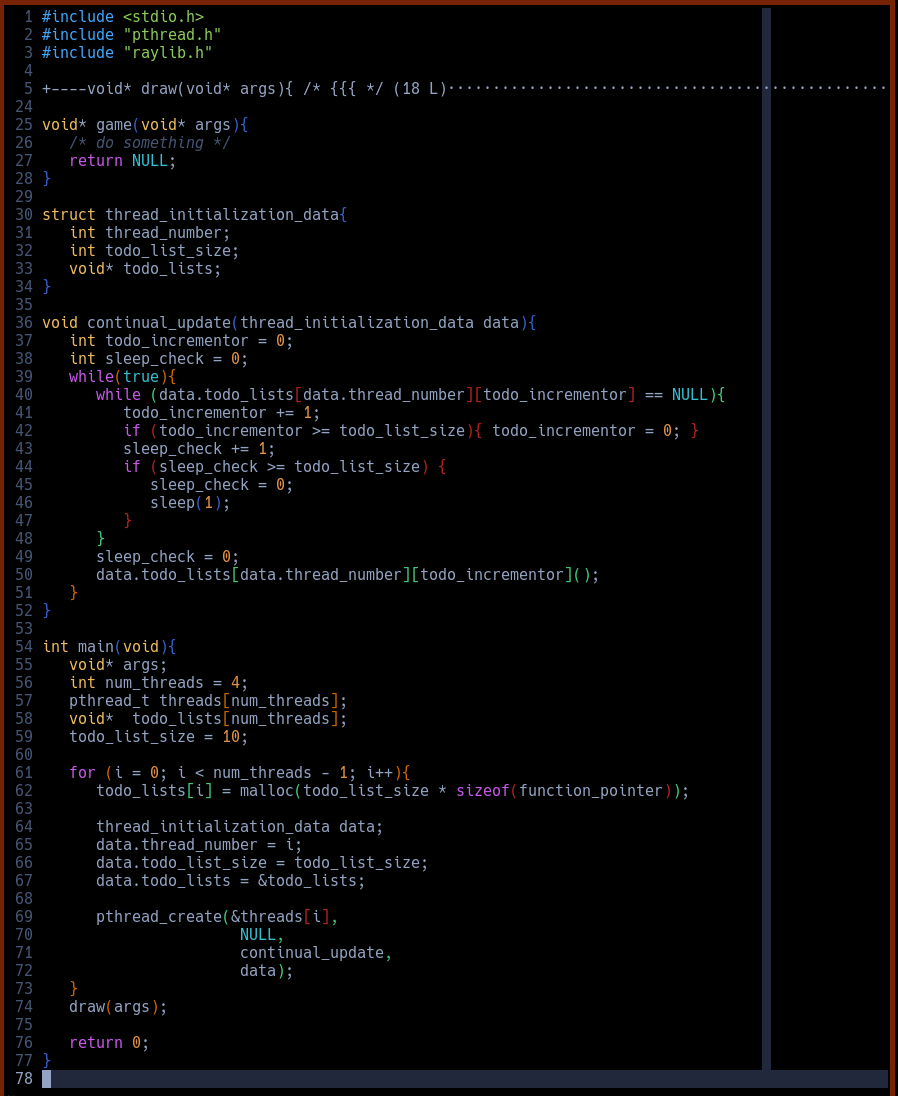
  The design is simple: Have an array of function pointers that need to be
  assigned to a thread. Then, have a manager thread read through that array, and
  for every non-zero value put it into a thread-specific array. Those threads
  will read through their personal  array and execute whichever function is
  pointed to by the function pointer placed in their todo-list by the manager
  function.

  ... I'm too stupid to make it happen though. Writing code is hard.
┌─────────┐                                                            ┌───────────┐
│ similar │                       chronological                        │ different │
╘═════════╧═════════════════════════════════════───────────────────────┴───────────┘
 -> file: messages/712
════════════════════════════════════════════════════════────────────────────────────
  Linux doesn't teach you to to build a perfect system. It's always breaking,
  after all.

  It teaches you to rehearse.
┌─────────┐                                                            ┌───────────┐
│ similar │                       chronological                        │ different │
╘═════════╧═════════════════════════════════════════════───────────────┴───────────┘
 -> file: fediverse/3542
══════════════════════════════════════════════════──────────────────────────────────
  https://cdecl.org/

  for the C programmers
┌─────────┐                                                            ┌───────────┐
│ similar │                       chronological                        │ different │
╘═════════╧═══════════════════════════════════════─────────────────────┴───────────┘
 -> file: fediverse/1229
═══════════════════════════════════════════─────────────────────────────────────────
  @user-883

  graphics isn't too bad in C if you use Raylib. Here's my template project:

  If you ever want to do something with a GUI or a game or something then I
  definitely recommend that library. It's soooooo nice as a C programmer

┌─────────┐                                                            ┌───────────┐
│ similar │                       chronological                        │ different │
╘═════════╧════════════════════════════════────────────────────────────┴───────────┘
 -> file: messages/1208
════════════════════════════════════════════════════════════════════════────────────
  Almost all of the recorded information is stored in your computer. But none of
  it would be noticed by a god, reading the entire contents of the computer, 0 by
  1 by 1 by 0.

  Wikipedia and a reasonable LLM networking interface apparatus is really all you
  need in order to make any type of workflow you want. And now, everyone gets
  one. As soon as we can make them all go... (setup)
┌─────────┐                                                            ┌───────────┐
│ similar │                       chronological                        │ different │
╘═════════╧════════════════════════════════════════════════════════════╧───────────┘
 -> file: fediverse/398
════════════════════════════════════════────────────────────────────────────────────
  these are the two greatest videos on youtube about the C language

  https://www.youtube.com/watch?v=443UNeGrFoM

  https://www.youtube.com/watch?v=w3_e9vZj7D8

  lmk if you have any other suggestions...
┌─────────┐                                                            ┌───────────┐
│ similar │                       chronological                        │ different │
╘═════════╧═════════════════════════════───────────────────────────────┴───────────┘
|