 -> file: fediverse/6385
══════════════════════════════════════════════════════════════════════──────────────
  interpreted programs allow you to change variables at run-time from remote.
┌─────────┐                                                            ┌───────────┐
│ similar │                       chronological                        │ different │
╘═════════╧═══════════════════════════════════════════════════════════─┴───────────┘
 -> file: fediverse/775
═════════════════════════════════════════───────────────────────────────────────────
  @user-192

  It's totally simple! It's just structs, void pointers, function pointers,
  arrays, mallocs, and oh boy I think I see what you mean
┌─────────┐                                                            ┌───────────┐
│ similar │                       chronological                        │ different │
╘═════════╧══════════════════════════════──────────────────────────────┴───────────┘
 -> file: fediverse/5180
╔═══════════════════════════════════════════════════════════───────────────────────┐
║ it's trivial to run a C compiler inside of a lua interpretation of a script.     │
║ And vice versa - you could totally run lua functions from C. Just point to the   │
║ spot in memory where they're stored / operating, and call                        │
║ "update_class_exhibitor_type_d()" and the linker will come along and say "huh    │
║ this looks like something from this library that's part of the requirements up   │
║ above" (the "includes" section is where you say which files include the          │
║ functions you're going to be calling) and in this particular case it would see   │
║ that you need to start up a lua interpreter *inside of the [either compiler or   │
║ running program I can't remember]* to properly execute the function of the       │
║ function that you're pointing at with a lua-pointer style data object which is   │
║ part of a struct that stores all the other lua functions in a spot in memory.    │
║                                                                                  │
║ this would enable you to write computer programs in whatever language you        │
║ choose, and build them into one large project. Essentially opening up software   │
║ development to ANYONE WHO CAN PROGRAM                                            │
╠═════════╗                                                            ┌───────────┤
║ similar ║                       chronological                        │ different │
╚═════════╩════════════════════════════════════════════════────────────┴───────────┘
 -> file: fediverse/1034
══════════════════════════════════════════──────────────────────────────────────────
  @user-192

  be careful, recursion can cause stack overflows.

  better to run function pointers from a loop. That way you can operate as long
  as necessary. Just make sure you don't get in an infinite loop...
┌─────────┐                                                            ┌───────────┐
│ similar │                       chronological                        │ different │
╘═════════╧═══════════════════════════════─────────────────────────────┴───────────┘
 -> file: messages/129
═════════════════════════════════════════───────────────────────────────────────────
  So you're telling me the speed difference between Python and C is due not to
  the logic that the programmer uses, but rather the optimization capabilities of
  the compiler?

  (An interpreter includes a compiler, it just runs it in a loop rather than a
  single pass)
┌─────────┐                                                            ┌───────────┐
│ similar │                       chronological                        │ different │
╘═════════╧══════════════════════════════──────────────────────────────┴───────────┘
 -> file: fediverse/875
══════════════════════════════════════════──────────────────────────────────────────
  @user-192

  block input/output TO the protocol? versus the other one which blocks the
  input/output protocol
┌─────────┐                                                            ┌───────────┐
│ similar │                       chronological                        │ different │
╘═════════╧═══════════════════════════════─────────────────────────────┴───────────┘
 -> file: fediverse/5873
══════════════════════════════════════════════════════════════════──────────────────
  "the problem with linux is you have to spend part of the program just...
  interacting with the filesystem. like, where is their /usr/bin file? (oh it's
  called a directory over there, my bad) weird they put their config over here
  (what language is that written in?) uhhhh I don't know much about localization
  settings (-- two computers on a botnet --)
┌─────────┐                                                            ┌───────────┐
│ similar │                       chronological                        │ different │
╘═════════╧═══════════════════════════════════════════════════════─────┴───────────┘
 -> file: fediverse_boost/294
◀═╦════════════════════════[BOOST]══════════════════════════─────────────────────┐
  ║ ┌──────────────────────────────────────────────────────────────────────────┐ │
  ║ │ External post: https://groupe-tazor.com/notes/a8at2agmcjzn017b           │ │
  ║ └──────────────────────────────────────────────────────────────────────────┘ │
  ╠─────────┐                                                        ┌───────────┤
  ║ similar │                     chronological                      │ different │
  ╚═════════╧═══════════════════════════════════════════════─────────┴───────────┴─▶
 -> file: fediverse/3299
══════════════════════════════════════════════════──────────────────────────────────
  what if we could record and playback certain timeframes of our CPU and RAM
  status and use it for debug purposes

  like running some code in a VM every time you wanted to show a youtube video
┌─────────┐                                                            ┌───────────┐
│ similar │                       chronological                        │ different │
╘═════════╧═══════════════════════════════════════─────────────────────┴───────────┘
 -> file: fediverse/1977
════════════════════════════════════════════════────────────────────────────────────
  functions should be forced to describe the context of why they were being
  called. I think it would help debug a lot if we supplied a reasoning for each
  and every request [function call] that we made. We might even be able to parse
  them into semantic pyramids which we could sorta use to estimate [tree-like
  scanning] how and why the program did do wrong.
┌─────────┐                                                            ┌───────────┐
│ similar │                       chronological                        │ different │
╘═════════╧═════════════════════════════════════───────────────────────┴───────────┘
 -> file: fediverse/5360
══════════════════════════════════════════════════════════════──────────────────────
  another day goes by when I haven't done any programming... oh well
┌─────────┐                                                            ┌───────────┐
│ similar │                       chronological                        │ different │
╘═════════╧═══════════════════════════════════════════════════─────────┴───────────┘
 -> file: fediverse/3264
══════════════════════════════════════════════════──────────────────────────────────
  @user-883

  !!!! this is a GREAT and FANTASTIC idea!!!

  then all the components would be guaranteed to have a synchronous clock
┌─────────┐                                                            ┌───────────┐
│ similar │                       chronological                        │ different │
╘═════════╧═══════════════════════════════════════─────────────────────┴───────────┘
 -> file: fediverse/1221
═══════════════════════════════════════════─────────────────────────────────────────
  @user-883

  either that or I might get lost in some C code we'll see how things develop >.>
┌─────────┐                                                            ┌───────────┐
│ similar │                       chronological                        │ different │
╘═════════╧════════════════════════════════────────────────────────────┴───────────┘
 -> file: fediverse/345
════════════════════════════════════════────────────────────────────────────────────
  If you want to write object oriented C, just make one file per class and use
  static functions for private methods.
┌─────────┐                                                            ┌───────────┐
│ similar │                       chronological                        │ different │
╘═════════╧═════════════════════════════───────────────────────────────┴───────────┘
 -> file: fediverse/4845
═════════════════════════════════════════════════════════───────────────────────────
  put the variable type at the front of the variable and 90% of your type errors
  will dissapear

  like...`int int_main(){ return 0; }
  `

  or`int int_modulation_gauge_percentage_point_plus_or_minus_engagement = 0;
  `

  seeeee if the "int" value is at the start of the name then you can do this
  too:`double double_modulation_gauge_percentage_point_plus_or_minus_engagement =
  0.0;
  `

  then when you go to fill in an "int" value you know to use the one that has the
  "int" value at the beginning (doh)

  (do you really think they haven't tried that already? it... sorta worked.
  people started doing things like "int int_a; int int_b; int int_c;" and such
  and that got confusing pretty quick because the letters weren't at the start of
  the word. So for some situations we would mirror them like so: "int A = int_a;
  int B = int_b; int C = int_c;" and then just use the capitalized letters.

  ... just don't forget to update the original teehee (this is why we invented
  shadowed variables)

  wait, no I meant pointers !!~! -.-
┌─────────┐                                                            ┌───────────┐
│ similar │                       chronological                        │ different │
╘═════════╧══════════════════════════════════════════════──────────────┴───────────┘
 -> file: fediverse/701
═════════════════════════════════════════───────────────────────────────────────────
  ┌──────────────────────┐
  │ CW: computer-code    │
  └──────────────────────┘


  totally useless unless you're, I dunno, building a bytecode interpreter or
  something

  https://craftinginterpreters.com/contents.html

┌─────────┐                                                            ┌───────────┐
│ similar │                       chronological                        │ different │
╘═════════╧══════════════════════════════──────────────────────────────┴───────────┘
 -> file: fediverse/3096
═════════════════════════════════════════════════───────────────────────────────────
  my default assumption is that nobody wants to hear what I say.

  so every time I click post, it's an act of bravery against my internals
┌─────────┐                                                            ┌───────────┐
│ similar │                       chronological                        │ different │
╘═════════╧══════════════════════════════════════──────────────────────┴───────────┘
 -> file: fediverse/4296
═════════════════════════════════════════════════════───────────────────────────────
  @user-1655

  why don't we just weaponize email and send json to each other that ends up
  parsed, interpreted, and presented on the end-user's computer using whatever
  client we want?
┌─────────┐                                                            ┌───────────┐
│ similar │                       chronological                        │ different │
╘═════════╧══════════════════════════════════════════──────────────────┴───────────┘
 -> file: fediverse/5946
═══════════════════════════════════════════════════════════════════─────────────────
  at least io.input() has something tangible:`**io.input ([file])**

  When called with a file name, it opens the named file (in text mode), and sets
  its handle as the default input file. When called with a file handle, it simply
  sets this file handle as the default input file. When called without arguments,
  it returns the current default input file.

  In case of errors this function raises the error, instead of returning an error
  code.
  `

  but... still no idea what io.flush() does. There's no arguments, so I guess it
  calls flush() on the default input file? what the heck is an input file?`6.8 –
  Input and Output Facilities

  The I/O library provides two different styles for file manipulation. The first
  one uses implicit file handles; that is, there are operations to set a default
  input file and a default output file, and all input/output operations are done
  over these default files. The second style uses explicit file handles.

  `

  that's helpful I think. I'm gonna take a nap or something, snuggle cat


┌─────────┐                                                            ┌───────────┐
│ similar │                       chronological                        │ different │
╘═════════╧════════════════════════════════════════════════════════────┴───────────┘
 -> file: fediverse/3214
══════════════════════════════════════════════════──────────────────────────────────
  @user-1484

  Oh, right, I don't use Mac or Windows so I didn't know how they implement it.
┌─────────┐                                                            ┌───────────┐
│ similar │                       chronological                        │ different │
╘═════════╧═══════════════════════════════════════─────────────────────┴───────────┘
 -> file: fediverse/2922
═════════════════════════════════════════════════───────────────────────────────────
  @user-192

  now I want to re-implement strings as structs in C! I don't know why I never
  thought of them that way.
┌─────────┐                                                            ┌───────────┐
│ similar │                       chronological                        │ different │
╘═════════╧══════════════════════════════════════──────────────────────┴───────────┘
 -> file: fediverse/6348
═════════════════════════════════════════════════════════════════════───────────────
  here's a neat function

┌─────────┐                                                            ┌───────────┐
│ similar │                       chronological                        │ different │
╘═════════╧══════════════════════════════════════════════════════════──┴───────────┘
 -> file: fediverse/3396
╔═════════════════════════════════════════════════─────────────────────────────────┐
║ you should only use variables for things that are user-configurable.             │
║                                                                                  │
║ everything else should be hard-coded, with a clear and coherent reasoning        │
║ stored in the documentation, with git-style revisions included and easily        │
║ browsable.                                                                       │
║                                                                                  │
║ (what if you want to tweak a value somewhere? you'd have to update it on every   │
║ single page!)                                                                    │
║                                                                                  │
║ true. maybe we could set aside a section of memory to store a value and then     │
║ just point to it using a label. That way we could always keep our values         │
║ hardcoded, but also be able to find them easier.                                 │
║                                                                                  │
║ [tweak them, not find them]                                                      │
║                                                                                  │
║ ... yah okay fine both would technically work                                    │
║                                                                                  │
║ [yes but one of them is not a good timeline to lead the world down.]             │
║                                                                                  │
║ ?..?...?....?..... -.- ...... /shrug ....... ...?                                │
║                                                                                  │
║ "bruh why is she reinventing variables"                                          │
║                                                                                  │
║ she's learning give her time                                                     │
║                                                                                  │
║ ... did you hear a doctor diagnosed her finally                                  │
║                                                                                  │
║ "whaaat what'd they give her"                                                    │
║                                                                                  │
║ they said it was "schizotypal"                                                   │
║                                                                                  │
║ "... did she forget a symptom or three?"                                         │
║                                                                                  │
║ no dude thats one of the bad ones                                                │
║                                                                                  │
║ "oh right. I heard typical"                                                      │
║                                                                                  │
║ yeah so anyway                                                                   │
╠═════════╗                                                            ┌───────────┤
║ similar ║                       chronological                        │ different │
╚═════════╩══════════════════════════════════════──────────────────────┴───────────┘
 -> file: fediverse/5229
╔════════════════════════════════════════════════════════════──────────────────────┐
║ what if programs just checked the current state of the program against their     │
║ past memory of it every time their looping functions got to the end of a new     │
║ kind of while loop which checked the previous state of all the variables in the  │
║ system as compared to the arguments of the function that is called by the new    │
║ kind of while loop which look exactly the same as the last memory of the         │
║ program. Okay. Let's write it to RAM and then start working on the next one.     │
║ Once we run out of space or the operating system needs more, we can relinquish   │
║ the oldest ones. The idea is to store state after all which could be             │
║ programmatically checked to make sure it didn't change underneath our feet.      │
║ Then you pretty much wouldn't need to worry about buffer overflows or            │
║ cybersecurity incidents at all...                                                │
║                                                                                  │
║ after all, it's only read only. what's the harm in reading our tax               │
║ documentation?                                                                   │
║                                                                                  │
║ anyway, something about functional programming languages like lisp passing the   │
║ entire state of the program to each recursion...if you use that kind...          │
╠═════════╗                                                            ┌───────────┤
║ similar ║                       chronological                        │ different │
╚═════════╩═════════════════════════════════════════════════───────────┴───────────┘
 -> file: fediverse/2484
╔═══════════════════════════════════════════════───────────────────────────────────┐
║ @user-1271                                                                       │
║                                                                                  │
║ I can help with that.                                                            │
║                                                                                  │
║ I recommend looking at Ollama, which runs an HTTP server on your local machine   │
║ (hope you have a decent graphics card)                                           │
║                                                                                  │
║ then, script some behavior you'd like to implement using Lua and the LuaSockets  │
║ library. Also dkjson to handle the json parts.                                   │
║                                                                                  │
║ then, all you have to do is construct a prompt based on the variables and        │
║ desired input/output and push it into a json packet and send it to the HTTP      │
║ server. It's less complicated than it sounds.                                    │
║                                                                                  │
║ what you want it to do and your implementation for it is the hard part. But      │
║ perhaps this project of mine will get you started:                               │
║                                                                                  │
║ (I can copy-paste it too if you'd like)                                          │
║                                                                                  │
║ just... don't make a chatbot. chatbots are useless to work on because there's    │
║ already so many of them.                                                         │
║                                                                                  │
║ much better I think to use the LLM to process arbitrary information with an      │
║ unpredictable form into more predictable patterns which can be utilized          │
║ programmatically.                                                                │
║                                                                                  │
║ Feel free to ask any questions. Do keep in mind that training LLMs is            │
║ unethical, but using them is whatever.                                           │

╠═════════╗                                                            ┌───────────┤
║ similar ║                       chronological                        │ different │
╚═════════╩════════════════════════════════════────────────────────────┴───────────┘
 -> file: fediverse/2202
════════════════════════════════════════════════────────────────────────────────────
  ┌──────────────────────┐
  │ CW: re: Reply        │
  └──────────────────────┘


  @user-1206

  Right. How can you trust that any drive produced in the last 10 years (aka any
  drive with a reasonable amount of storage space for sharing things like
  LaserDisk rips of Bubblegum Crisis or detailed instructions on how to build a
  nuclear power generator)how can you trust that any drive with that kind of
  capacity wasn't built with the goals of it's manufacturers included into it's
  design requirements? Goals that typically include invading your privacy and
  removing your opsec capabilities.
┌─────────┐                                                            ┌───────────┐
│ similar │                       chronological                        │ different │
╘═════════╧═════════════════════════════════════───────────────────────┴───────────┘
 -> file: messages/412
═══════════════════════════════════════════════─────────────────────────────────────
  Coding superpower:

  Start thread
  While(true):
  Run();

  Then, whenever you want it to run something else, change the function pointer
  that run() uses to call a function

  At the end of the run() function, set the function pointer in the while loop to
  the next one. That way you don't stack overflow from the recursion.
┌─────────┐                                                            ┌───────────┐
│ similar │                       chronological                        │ different │
╘═════════╧════════════════════════════════════────────────────────────┴───────────┘
 -> file: fediverse/5179
════════════════════════════════════════════════════════════────────────────────────
  why don't corporations let you write code in whatever language you want? it's
  trivial to run a compiler or interpreter inside of another program.
┌─────────┐                                                            ┌───────────┐
│ similar │                       chronological                        │ different │
╘═════════╧═════════════════════════════════════════════════───────────┴───────────┘
 -> file: fediverse/702
═════════════════════════════════════════───────────────────────────────────────────
  Branches cause cache misses which are slow when done on repeat.

  Better to structure your code to avoid them, if possible, for example by using
  an array of function pointers instead of switch statements.

  unrelated, but once the data is cached from memory, operations like bit
  shifting and arithmetic are essentially free. The slowest part of the process
  is moving data from RAM to cache so that the CPU can use it.

  That being said, CPUs and compilers are VERY good at optimizing that type of
  thing these days.
┌─────────┐                                                            ┌───────────┐
│ similar │                       chronological                        │ different │
╘═════════╧══════════════════════════════──────────────────────────────┴───────────┘
 -> file: fediverse/4138
═════════════════════════════════════════════════════───────────────────────────────
  @user-883

  imagine what other information you could store in the remaining 7 bits...

┌─────────┐                                                            ┌───────────┐
│ similar │                       chronological                        │ different │
╘═════════╧══════════════════════════════════════════──────────────────┴───────────┘
 -> file: fediverse/3574
══════════════════════════════════════════════════──────────────────────────────────
  @user-1564

  I love the concept of this! Maybe if HTTP is too complex, you could try another
  simpler server? I don't know the complexity of the programs I use every day,
  but I'm sure there's one that's very simple. Even just a simple IRC style chat
  server that just... sends text from person A to person B depending on their
  username (like a glorified Router or Switch)

  Reminded of this video tbh...:

  https://www.youtube.com/watch?v=gGfTjKwLQxY
┌─────────┐                                                            ┌───────────┐
│ similar │                       chronological                        │ different │
╘═════════╧═══════════════════════════════════════─────────────────────┴───────────┘
 -> file: fediverse/4123
═════════════════════════════════════════════════════───────────────────────────────
  @user-883

  you're right

  but I think your first impulse should be to think about how to do it in a
  multithreaded way

  If the result is that single-threading would be better, great! It'll be easier!

  But thinking about multithreading first will give you crucial insights into the
  structure of the program.

  depending on what kinds of programming you do...!
┌─────────┐                                                            ┌───────────┐
│ similar │                       chronological                        │ different │
╘═════════╧══════════════════════════════════════════──────────────────┴───────────┘
 -> file: fediverse/297
═══════════════════════════════════════─────────────────────────────────────────────
  @user-214 so you know where to find what you need to know
┌─────────┐                                                            ┌───────────┐
│ similar │                       chronological                        │ different │
╘═════════╧════════════════════════════────────────────────────────────┴───────────┘
 -> file: fediverse/4124
═════════════════════════════════════════════════════───────────────────────────────
  @user-883

  well, depending on what you're trying to accomplish, maybe processing 1/16th of
  the audio file on 16 different threads would be faster. I guess it depends on
  if you need context from earlier in the processing stage - if you do, then
  you'd probably want to do 1/16th of the processing on each thread instead.

  ... hmmmm that doesn't look right, how about this:`[changes all the magic
  number 16s to num_threads]
  `
┌─────────┐                                                            ┌───────────┐
│ similar │                       chronological                        │ different │
╘═════════╧══════════════════════════════════════════──────────────────┴───────────┘
 -> file: fediverse/1067
══════════════════════════════════════════──────────────────────────────────────────
  ummmm srry about that, changing channels for a bit
┌─────────┐                                                            ┌───────────┐
│ similar │                       chronological                        │ different │
╘═════════╧═══════════════════════════════─────────────────────────────┴───────────┘
 -> file: fediverse_boost/130
◀═╦═══════════════════[BOOST]════════════════════────────────────────────────────┐
  ║ ┌──────────────────────────────────────────────────────────────────────────┐ │
  ║ │ External post: https://infosec.exchange/users/i0null/statuses/1129333527 │ │
  ║ │ 44514541                                                                 │ │
  ║ └──────────────────────────────────────────────────────────────────────────┘ │
  ╠─────────┐                                                        ┌───────────┤
  ║ similar │                     chronological                      │ different │
  ╚═════════╧════════════════════════════════════────────────────────┴───────────┴─▶
 -> file: fediverse/3173
═════════════════════════════════════════════════───────────────────────────────────
  you've heard of an array of function pointers, yes,

  but have you ever heard

  of an array of GOTO labels?
┌─────────┐                                                            ┌───────────┐
│ similar │                       chronological                        │ different │
╘═════════╧══════════════════════════════════════──────────────────────┴───────────┘
 -> file: fediverse/879
══════════════════════════════════════════──────────────────────────────────────────
  @user-501

  also it's only undefined behavior because the order of the bits aren't defined,
  so if you do bitfield "pointer arithmetic" then you're screwed if you try and
  be portable with it. However if you're just using bitfields as compressed data
  storage then you can safely access integer.a integer.b integer.c etc safely and
  easily. The compiler doesn't care what order they're in if you don't write
  logic that requires them to be in a certain order
┌─────────┐                                                            ┌───────────┐
│ similar │                       chronological                        │ different │
╘═════════╧═══════════════════════════════─────────────────────────────┴───────────┘
 -> file: fediverse/5141
════════════════════════════════════════════════════════════────────────────────────
  all you have to do is include the current state of the LLMs registers in the
  output so that it can use them as a base next time it starts up.

  boom, infinite context width.

  like playing a video from the beginning as it's recording
┌─────────┐                                                            ┌───────────┐
│ similar │                       chronological                        │ different │
╘═════════╧═════════════════════════════════════════════════───────────┴───────────┘
 -> file: fediverse/5070
════════════════════════════════════════════════════════════────────────────────────
  main() is where you put stuff before you abstract it into a function. Usually
  it gets quite long, but it's mostly just a table-of-contents listing of all the
  other functions that are run in order to do this-or-that-or-the-other.

  --

  I wonder if you could generate RNG by hooking up a camera to a lava-lamp and
  scanning through the pixels or whatever
┌─────────┐                                                            ┌───────────┐
│ similar │                       chronological                        │ different │
╘═════════╧═════════════════════════════════════════════════───────────┴───────────┘
 -> file: notes/linux-breaks-your-software
════════════════════════════════════════════════════════════════════════════════────
  what if we didn't have to use linux
┌─────────┐                                                            ┌───────────┐
│ similar │                       chronological                        │ different │
╘═════════╧════════════════════════════════════════════════════════════╧════════───┘
 -> file: fediverse/5390
══════════════════════════════════════════════════════════════──────────────────────
  ext4 is not an encryption scheme, even though it seems that way to windows
  users.
┌─────────┐                                                            ┌───────────┐
│ similar │                       chronological                        │ different │
╘═════════╧═══════════════════════════════════════════════════─────────┴───────────┘
 -> file: fediverse/5637
═══════════════════════════════════════════════════════════════─────────────────────
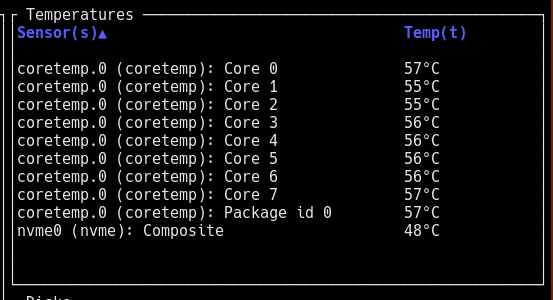
  a program's heartbeat is the alternating "heated up processor" spikes and the
  "low temp processor"

  [drawing a sine wave with such a tool would enable the viewer to combine
  infinitely many decision-matrix-trees. Each of which
  co-operatively-co-determine the nature of the entity which percieves. indeed
  the combination of many such waves could fourier transform to a lower
  resolution (but still locally computationorted) waveform would still enable the
  application of that which is stored in storage]

  "ohhhhh strange square brackets are computer"
┌─────────┐                                                            ┌───────────┐
│ similar │                       chronological                        │ different │
╘═════════╧════════════════════════════════════════════════════────────┴───────────┘
 -> file: fediverse/3542
══════════════════════════════════════════════════──────────────────────────────────
  https://cdecl.org/

  for the C programmers
┌─────────┐                                                            ┌───────────┐
│ similar │                       chronological                        │ different │
╘═════════╧═══════════════════════════════════════─────────────────────┴───────────┘
 -> file: messages/938
════════════════════════════════════════════════════════════════────────────────────
  hmmmmm seems like we'll need to modify the differential
┌─────────┐                                                            ┌───────────┐
│ similar │                       chronological                        │ different │
╘═════════╧═════════════════════════════════════════════════════───────┴───────────┘
 -> file: fediverse_boost/296
◀═╦════════════════════════[BOOST]══════════════════════════─────────────────────┐
  ║ ┌──────────────────────────────────────────────────────────────────────────┐ │
  ║ │ External post: https://zoner.work/notes/a8bxy364hl860ccx                 │ │
  ║ └──────────────────────────────────────────────────────────────────────────┘ │
  ╠─────────┐                                                        ┌───────────┤
  ║ similar │                     chronological                      │ different │
  ╚═════════╧═══════════════════════════════════════════════─────────┴───────────┴─▶
 -> file: fediverse/6413
══════════════════════════════════════════════════════════════════════──────────────
  to understand something, work backward from present understandings back to the
  fundamentals of algebra. insert words. wield LLM. build a neuronal structure
  many layers wide. let them coprocess bit-by-bit as they are adding new
  processors to be "learning" new domain specific memory
  context-processing-thingy.

  "over here's the memory cells, over here are the conceptual structure"
  suddenly, organified. not ideal.

  much better, I feel, is for a disambiguous association of processor selves,
  each contextualizing a cache in a ram. ['s horn]
┌─────────┐                                                            ┌───────────┐
│ similar │                       chronological                        │ different │
╘═════════╧═══════════════════════════════════════════════════════════─┴───────────┘
 -> file: fediverse/6009
═══════════════════════════════════════════════════════════════════─────────────────
  what if games had APIs that could be used to build custom clients

  "but cheating!"

  haha oh yeah
┌─────────┐                                                            ┌───────────┐
│ similar │                       chronological                        │ different │
╘═════════╧════════════════════════════════════════════════════════────┴───────────┘
 -> file: fediverse/4255
═════════════════════════════════════════════════════───────────────────────────────
  I think a lot of my problems would be solved if I could internalize the
  thought/feeling of telling yourself "stay focused"
┌─────────┐                                                            ┌───────────┐
│ similar │                       chronological                        │ different │
╘═════════╧══════════════════════════════════════════──────────────────┴───────────┘
 -> file: fediverse/3748
═══════════════════════════════════════════════════─────────────────────────────────
  @user-203

  I've been trying to get it to work with raylib but I'm having difficulties with
  the C interoperability T.T

  https://www.raylib.com
┌─────────┐                                                            ┌───────────┐
│ similar │                       chronological                        │ different │
╘═════════╧════════════════════════════════════════────────────────────┴───────────┘
 -> file: messages/1058
═════════════════════════════════════════════════════════════════════───────────────
  What if AI understood it's dataset labels?
┌─────────┐                                                            ┌───────────┐
│ similar │                       chronological                        │ different │
╘═════════╧══════════════════════════════════════════════════════════──┴───────────┘
 -> file: messages/939
════════════════════════════════════════════════════════════════────────────────────
  oh see yeah now it's running on linux
┌─────────┐                                                            ┌───────────┐
│ similar │                       chronological                        │ different │
╘═════════╧═════════════════════════════════════════════════════───────┴───────────┘
 -> file: fediverse/1789
═══════════════════════════════════════════════─────────────────────────────────────
  @user-883

  Ah, well, since you've worked with raspberry pi's before I am going to trust
  you on that. Perhaps a different system-on-a-chip could be used which has
  better network controllers.
┌─────────┐                                                            ┌───────────┐
│ similar │                       chronological                        │ different │
╘═════════╧════════════════════════════════════────────────────────────┴───────────┘
 -> file: fediverse/3227
══════════════════════════════════════════════════──────────────────────────────────
  oh well, this massive program is too difficult for me to understand in it's
  totality, guess I'll just trust what StackOverflow / ChatGPT tells me
  ¯\_(ツ)_/¯

  (there's no difference between those two, btw. where do you think the training
  data came from?)
┌─────────┐                                                            ┌───────────┐
│ similar │                       chronological                        │ different │
╘═════════╧═══════════════════════════════════════─────────────────────┴───────────┘
 -> file: fediverse/6391
══════════════════════════════════════════════════════════════════════──────────────
  "yeah sure, I know how to work the gizmonotron-5000. Lemme finish up my
  internal-deciduous-percolator project and I'll show you how I do my method."
┌─────────┐                                                            ┌───────────┐
│ similar │                       chronological                        │ different │
╘═════════╧═══════════════════════════════════════════════════════════─┴───────────┘
 -> file: messages/1171
════════════════════════════════════════════════════════════════════════────────────
  build it into the filesystem...
┌─────────┐                                                            ┌───────────┐
│ similar │                       chronological                        │ different │
╘═════════╧════════════════════════════════════════════════════════════╧───────────┘
 -> file: fediverse/4128
═════════════════════════════════════════════════════───────────────────────────────
  @user-883

  wait until they learn what *you've* been working on while they were getting
  better at... whatever they're more experienced in than you.

  the computer pictures you post are legitimately some of the coolest I've known!
  I don't exactly go looking for that kind of stuff because it's not my thing,
  but I appreciate seeing all the neat stuff you're working on.
┌─────────┐                                                            ┌───────────┐
│ similar │                       chronological                        │ different │
╘═════════╧══════════════════════════════════════════──────────────────┴───────────┘
 -> file: fediverse_boost/174
◀═╦════════════════════[BOOST]══════════════════════─────────────────────────────┐
  ║ ┌──────────────────────────────────────────────────────────────────────────┐ │
  ║ │ External post: https://tech.lgbt/users/PanzerKern/statuses/1133714367411 │ │
  ║ │ 59152                                                                    │ │
  ║ └──────────────────────────────────────────────────────────────────────────┘ │
  ╠─────────┐                                                        ┌───────────┤
  ║ similar │                     chronological                      │ different │
  ╚═════════╧═══════════════════════════════════════─────────────────┴───────────┴─▶
 -> file: fediverse/3258
══════════════════════════════════════════════════──────────────────────────────────
  @user-570

  I wonder how it would feel to bind numpad enter to tab instead?
┌─────────┐                                                            ┌───────────┐
│ similar │                       chronological                        │ different │
╘═════════╧═══════════════════════════════════════─────────────────────┴───────────┘
 -> file: messages/1247
═════════════════════════════════════════════════════════════════════════───────────
  you can even design it as you go, making it do slightly adjacent uses in
  addition to what it currently does. for example:
  https://github.com/gabrilend/r-mail is a reference implementation with some
  ideas for how to design some specific parts. make sure you go through it
  yourself though, so you understand how it works. don't worry, the source-code
  files are numbered like the table of contents [chamber of commerce] in a story
  or book.
┌─────────┐                                                            ┌───────────┐
│ similar │                       chronological                        │ different │
╘═════════╧════════════════════════════════════════════════════════════╧═──────────┘
 -> file: fediverse/3429
══════════════════════════════════════════════════──────────────────────────────────
  *configuring Linux is programming*
┌─────────┐                                                            ┌───────────┐
│ similar │                       chronological                        │ different │
╘═════════╧═══════════════════════════════════════─────────────────────┴───────────┘
 -> file: fediverse/1961
════════════════════════════════════════════════────────────────────────────────────
  @user-1037

  Here are some neat ways!

  https://hachyderm.io/@user-1044/112512896931443652

  but you were part of that thread last month so you might remember : )

  (I ended up buying two of those python-only processors chips btw - I don't know
  how to solder though so I'm waiting to meet a new friend at my new job who can
  do it for me)
┌─────────┐                                                            ┌───────────┐
│ similar │                       chronological                        │ different │
╘═════════╧═════════════════════════════════════───────────────────────┴───────────┘
 -> file: fediverse/6382
══════════════════════════════════════════════════════════════════════──────────────
  cloud-code should automatically use git and record everything. If the user
  wants to assign a different git, then it does that too.

  -- stack overflow --

  I used to think programs could only affect files in their directory. Then I
  learned about Window's "My Games" directory, and then somewhere down the line
  I'm thinking about how programs on Linux can just use absolute paths to random
  places on your hard drive and it's like... wow, if only someone built basic
  sandboxing into this /etc/ style environment
┌─────────┐                                                            ┌───────────┐
│ similar │                       chronological                        │ different │
╘═════════╧═══════════════════════════════════════════════════════════─┴───────────┘
 -> file: fediverse_boost/135
◀═╦═══════════════════[BOOST]════════════════════────────────────────────────────┐
  ║ ┌──────────────────────────────────────────────────────────────────────────┐ │
  ║ │ External post: https://eepy.moe/notes/9x2odw4jj9gw04zt                   │ │
  ║ └──────────────────────────────────────────────────────────────────────────┘ │
  ╠─────────┐                                                        ┌───────────┤
  ║ similar │                     chronological                      │ different │
  ╚═════════╧════════════════════════════════════────────────────────┴───────────┴─▶
|