 -> file: fediverse/404
════════════════════════════════════════────────────────────────────────────────────
  a preprocessor directive that tells the compiler to ignore all warnings on the
  next line
┌─────────┐                                                            ┌───────────┐
│ similar │                       chronological                        │ different │
╘═════════╧═════════════════════════════───────────────────────────────┴───────────┘
 -> file: fediverse/2962
═════════════════════════════════════════════════───────────────────────────────────
  @user-1248

  setting alarms based on "time-from-now" instead of "time-until-when"
┌─────────┐                                                            ┌───────────┐
│ similar │                       chronological                        │ different │
╘═════════╧══════════════════════════════════════──────────────────────┴───────────┘
 -> file: messages/1063
═════════════════════════════════════════════════════════════════════───────────────
  What if instead of listing food in our ingredients as a paragraph we instead
  listed them in tab-separated-rows-by-columns like excel spreadsheets except
  with justifications for everything has its place in the ingredient dish.
┌─────────┐                                                            ┌───────────┐
│ similar │                       chronological                        │ different │
╘═════════╧══════════════════════════════════════════════════════════──┴───────────┘
 -> file: notes/vim-plugins
═════════───────────────────────────────────────────────────────────────────────────
  Put them here: /home/ritz/.local/share/nvim/site/pack/CATEGORY/start/NAME

  where CATEGORY is a general package category and NAME is the specific plugin

  If you don't want them to be automatically included then don't put them in the
  /start/ folder, put them somewhere else idk
┌─────────┐                                                            ┌───────────┐
│ similar │                       chronological                        │ different │
╘════════─┴────────────────────────────────────────────────────────────┴───────────┘
 -> file: fediverse/6348
═════════════════════════════════════════════════════════════════════───────────────
  here's a neat function

┌─────────┐                                                            ┌───────────┐
│ similar │                       chronological                        │ different │
╘═════════╧══════════════════════════════════════════════════════════──┴───────────┘
 -> file: fediverse/4689
════════════════════════════════════════════════════════────────────────────────────
  pronouns are part of a name

  they are a component of the whole

  indispensable for the complete concept
┌─────────┐                                                            ┌───────────┐
│ similar │                       chronological                        │ different │
╘═════════╧═════════════════════════════════════════════───────────────┴───────────┘
 -> file: messages/972
═════════════════════════════════════════════════════════════════───────────────────
  vibecoders write detailed instructions. "A for loop which iterates through all
  of the elements" and not "a package manager that stores all of it's instants"
┌─────────┐                                                            ┌───────────┐
│ similar │                       chronological                        │ different │
╘═════════╧══════════════════════════════════════════════════════──────┴───────────┘
 -> file: fediverse/5168
════════════════════════════════════════════════════════════────────────────────────
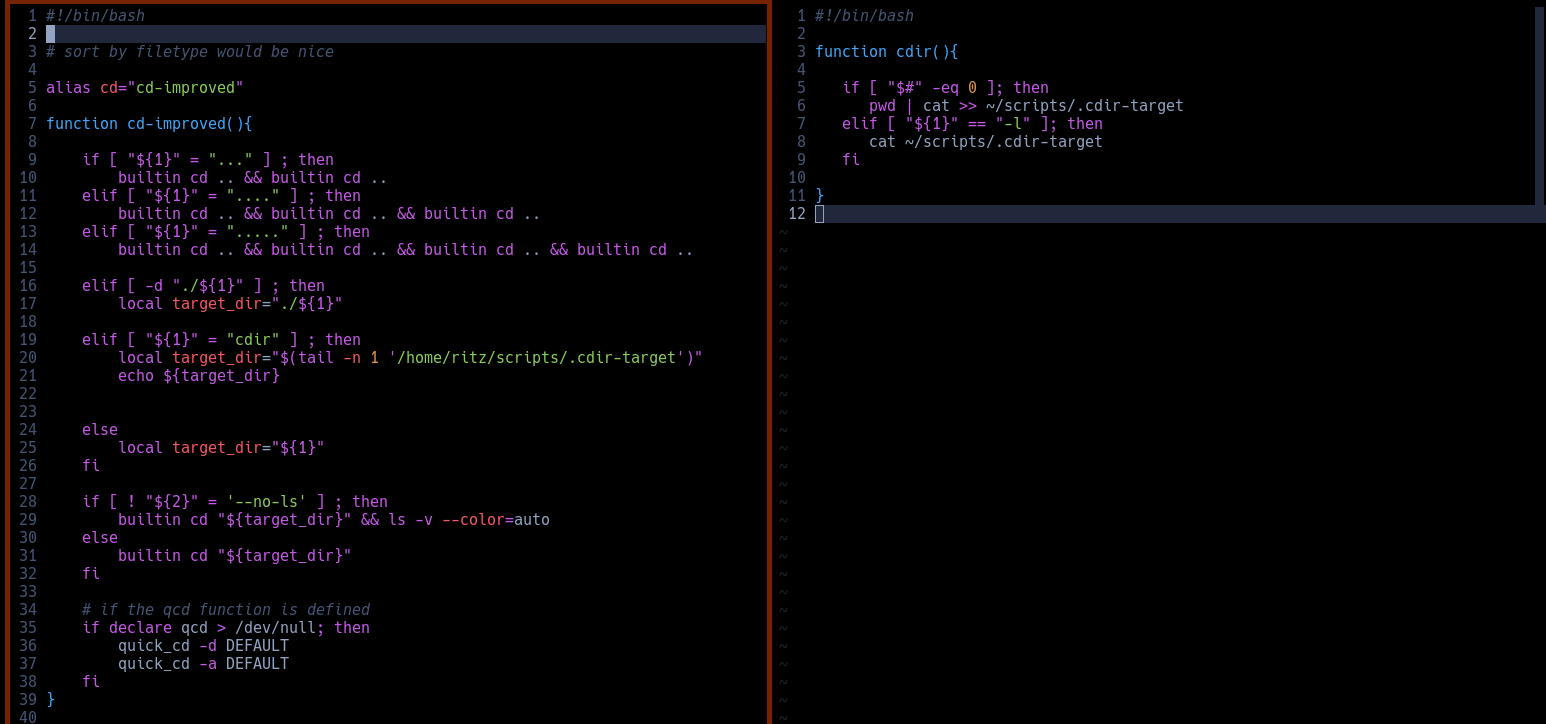
  this is one of the first scripts I wrote

  I can't believe I put the --no-ls AFTER the argument, ha, what a noob.

  ah well if it works it works and I can't refactor now because I built it into
  random scripts and I'd be fixing errors all the time.
┌─────────┐                                                            ┌───────────┐
│ similar │                       chronological                        │ different │
╘═════════╧═════════════════════════════════════════════════───────────┴───────────┘
 -> file: fediverse/847
══════════════════════════════════════════──────────────────────────────────────────
  I say "my" not as in "mine" but "my" as in "my beloved"
┌─────────┐                                                            ┌───────────┐
│ similar │                       chronological                        │ different │
╘═════════╧═══════════════════════════════─────────────────────────────┴───────────┘
 -> file: fediverse/3878
════════════════════════════════════════════════════────────────────────────────────
  @user-570

  that's not actually my script, here's the real one:`#!/bin/bash

  alias cd="cd-improved"

  function cd-improved(){

      if [ "${1}" = "..." ] ; then
          builtin cd .. && builtin cd ..
      elif [ "${1}" = "...." ] ; then
          builtin cd .. && builtin cd .. && builtin cd ..
      elif [ "${1}" = "....." ] ; then
          builtin cd .. && builtin cd .. && builtin cd .. && builtin cd ..

      elif [ -d "./${1}" ] ; then
          local target_dir="./${1}"

      elif [ "${1}" = "cdir" ] ; then
          local target_dir="$(tail -n 1 '/home/ritz/scripts/.cdir-target')"
          echo ${target_dir}


      else
          local target_dir="${1}"
      fi

      if [ ! "${2}" = '--no-ls' ] ; then
          builtin cd "${target_dir}" && ls -v --color=auto
      else
          builtin cd "${target_dir}"
      fi
  }
  `
┌─────────┐                                                            ┌───────────┐
│ similar │                       chronological                        │ different │
╘═════════╧═════════════════════════════════════════───────────────────┴───────────┘
 -> file: fediverse/704
═════════════════════════════════════════───────────────────────────────────────────
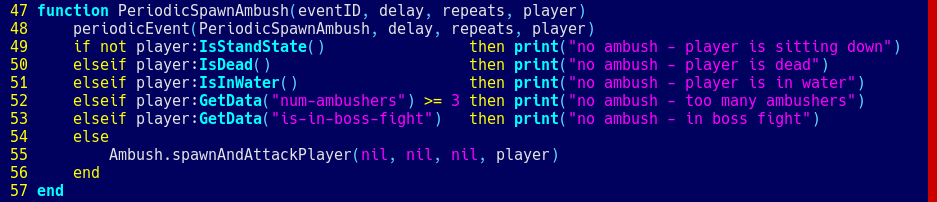
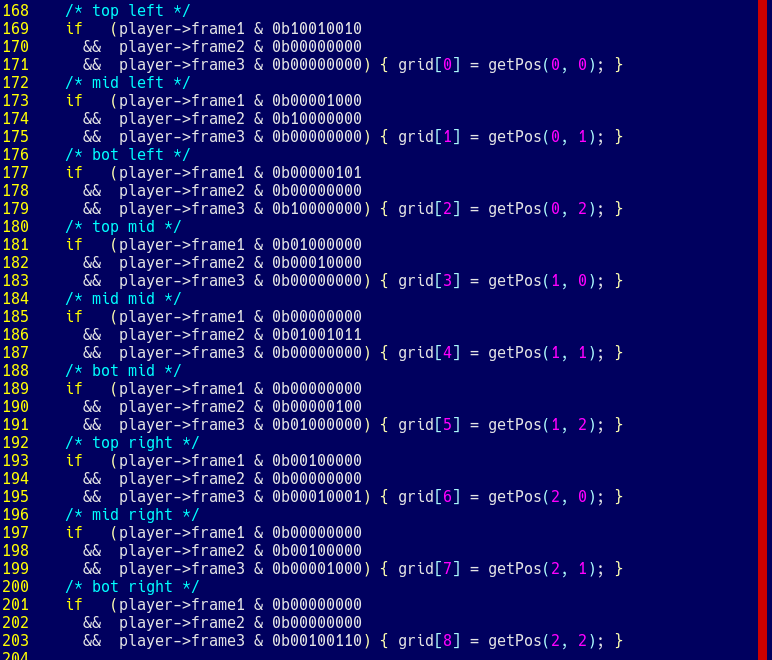
  Is my formatting pretty or does it make you angry?


┌─────────┐                                                            ┌───────────┐
│ similar │                       chronological                        │ different │
╘═════════╧══════════════════════════════──────────────────────────────┴───────────┘
 -> file: messages/931
════════════════════════════════════════════════════════════════────────────────────
  <*type type type type*> oh see it's writing music.
┌─────────┐                                                            ┌───────────┐
│ similar │                       chronological                        │ different │
╘═════════╧═════════════════════════════════════════════════════───────┴───────────┘
 -> file: messages/134
═════════════════════════════════════════───────────────────────────────────────────
  "]
┌─────────┐                                                            ┌───────────┐
│ similar │                       chronological                        │ different │
╘═════════╧══════════════════════════════──────────────────────────────┴───────────┘
 -> file: messages/1247
═════════════════════════════════════════════════════════════════════════───────────
  you can even design it as you go, making it do slightly adjacent uses in
  addition to what it currently does. for example:
  https://github.com/gabrilend/r-mail is a reference implementation with some
  ideas for how to design some specific parts. make sure you go through it
  yourself though, so you understand how it works. don't worry, the source-code
  files are numbered like the table of contents [chamber of commerce] in a story
  or book.
┌─────────┐                                                            ┌───────────┐
│ similar │                       chronological                        │ different │
╘═════════╧════════════════════════════════════════════════════════════╧═──────────┘
 -> file: messages/669
══════════════════════════════════════════════════════──────────────────────────────
  "rice and beans" doesn't mean "rice and beans" it means "rice and beans and
  vegetables"
┌─────────┐                                                            ┌───────────┐
│ similar │                       chronological                        │ different │
╘═════════╧═══════════════════════════════════════════─────────────────┴───────────┘
 -> file: bluesky/12
══════════════════════════════════════════════════════════──────────────────────────
  alas, if only the command for deleting the contents of a directory and the
  command to delete THE ENTIRE COMPUTER FROM EXISTENCE are off by a single .
┌─────────┐                                                            ┌───────────┐
│ similar │                       chronological                        │ different │
╘═════════╧═══════════════════════════════════════════════─────────────┴───────────┘
 -> file: fediverse/1454
═══════════════════════════════════════════─────────────────────────────────────────
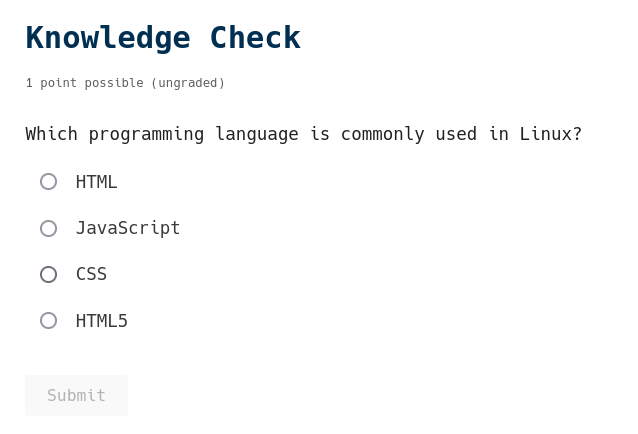
  ... what
┌─────────┐                                                            ┌───────────┐
│ similar │                       chronological                        │ different │
╘═════════╧════════════════════════════════────────────────────────────┴───────────┘
 -> file: fediverse/1758
═══════════════════════════════════════════════─────────────────────────────────────
  @user-883

  you could read in every line in Lua and if it matched the format that the times
  for the subtitles are in, then you could += 5 seconds or whatever and save the
  document. .srt is just a textfile right?
┌─────────┐                                                            ┌───────────┐
│ similar │                       chronological                        │ different │
╘═════════╧════════════════════════════════════────────────────────────┴───────────┘
 -> file: fediverse/6007
═══════════════════════════════════════════════════════════════════─────────────────
  I always get the syntax backwards, for some reason...
┌─────────┐                                                            ┌───────────┐
│ similar │                       chronological                        │ different │
╘═════════╧════════════════════════════════════════════════════════────┴───────────┘
 -> file: fediverse/6137
════════════════════════════════════════════════════════════════════────────────────
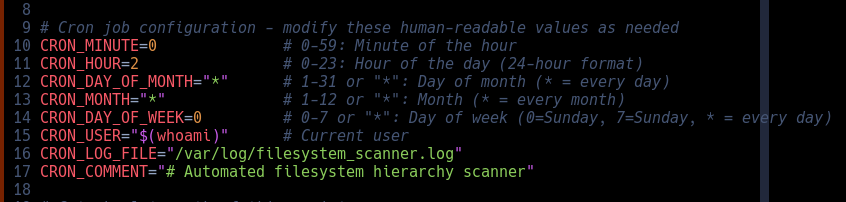
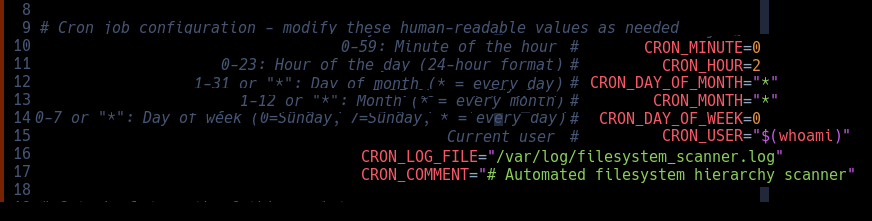
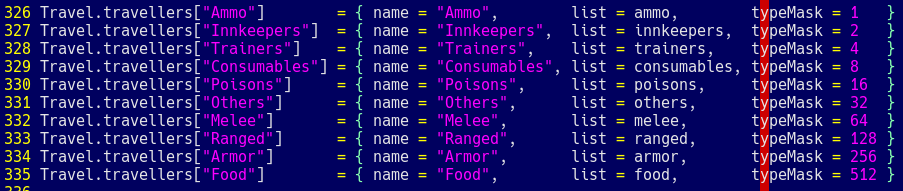
  sometimes, comments need to go on the left side of text. Like for parts of the
  script which should be user-editable, the fields should all be right-aligned to
  the farthest required bit of text. Instead of [picture A] it should be [picture
  B]
┌─────────┐                                                            ┌───────────┐
│ similar │                       chronological                        │ different │
╘═════════╧═════════════════════════════════════════════════════════───┴───────────┘
 -> file: messages/890
═════════════════════════════════════════════════════════════───────────────────────
  If your code is too long to fit in 80 or 120 characters (preference) then you
  need to use more numbers (indexable with a small table-of-contents style
  comment description just above) or character symbols (referencably by meaning
  just as above) (by above she means earlier in the string of text you just read)
┌─────────┐                                                            ┌───────────┐
│ similar │                       chronological                        │ different │
╘═════════╧══════════════════════════════════════════════════──────────┴───────────┘
 -> file: fediverse/3559
══════════════════════════════════════════════════──────────────────────────────────
  @user-1209

  like... var = x?? that doesn't make sense. Or like, 5 = var x? that feels
  *wrong*

  in programming = is assignment, not equality, which tripped me up for a bit.
  But if you read it left to right it's like X equals 5. Got it, now I know that
  X is the same as 5. Right?
┌─────────┐                                                            ┌───────────┐
│ similar │                       chronological                        │ different │
╘═════════╧═══════════════════════════════════════─────────────────────┴───────────┘
 -> file: fediverse/5180
╔═══════════════════════════════════════════════════════════───────────────────────┐
║ it's trivial to run a C compiler inside of a lua interpretation of a script.     │
║ And vice versa - you could totally run lua functions from C. Just point to the   │
║ spot in memory where they're stored / operating, and call                        │
║ "update_class_exhibitor_type_d()" and the linker will come along and say "huh    │
║ this looks like something from this library that's part of the requirements up   │
║ above" (the "includes" section is where you say which files include the          │
║ functions you're going to be calling) and in this particular case it would see   │
║ that you need to start up a lua interpreter *inside of the [either compiler or   │
║ running program I can't remember]* to properly execute the function of the       │
║ function that you're pointing at with a lua-pointer style data object which is   │
║ part of a struct that stores all the other lua functions in a spot in memory.    │
║                                                                                  │
║ this would enable you to write computer programs in whatever language you        │
║ choose, and build them into one large project. Essentially opening up software   │
║ development to ANYONE WHO CAN PROGRAM                                            │
╠═════════╗                                                            ┌───────────┤
║ similar ║                       chronological                        │ different │
╚═════════╩════════════════════════════════════════════════────────────┴───────────┘
 -> file: fediverse/4845
═════════════════════════════════════════════════════════───────────────────────────
  put the variable type at the front of the variable and 90% of your type errors
  will dissapear

  like...`int int_main(){ return 0; }
  `

  or`int int_modulation_gauge_percentage_point_plus_or_minus_engagement = 0;
  `

  seeeee if the "int" value is at the start of the name then you can do this
  too:`double double_modulation_gauge_percentage_point_plus_or_minus_engagement =
  0.0;
  `

  then when you go to fill in an "int" value you know to use the one that has the
  "int" value at the beginning (doh)

  (do you really think they haven't tried that already? it... sorta worked.
  people started doing things like "int int_a; int int_b; int int_c;" and such
  and that got confusing pretty quick because the letters weren't at the start of
  the word. So for some situations we would mirror them like so: "int A = int_a;
  int B = int_b; int C = int_c;" and then just use the capitalized letters.

  ... just don't forget to update the original teehee (this is why we invented
  shadowed variables)

  wait, no I meant pointers !!~! -.-
┌─────────┐                                                            ┌───────────┐
│ similar │                       chronological                        │ different │
╘═════════╧══════════════════════════════════════════════──────────────┴───────────┘
 -> file: fediverse/3544
══════════════════════════════════════════════════──────────────────────────────────
  ┌───────────────────────────┐
  │ CW: programming-mentioned │
  └───────────────────────────┘


  "I wish there was a language that was as simple as C but had [insert complex
  language feature here]"
┌─────────┐                                                            ┌───────────┐
│ similar │                       chronological                        │ different │
╘═════════╧═══════════════════════════════════════─────────────────────┴───────────┘
 -> file: fediverse/5726
════════════════════════════════════════════════════════════════────────────────────
  ┌───────────────────────────┐
  │ CW: programming-mentioned │
  └───────────────────────────┘


  🖼

┌─────────┐                                                            ┌───────────┐
│ similar │                       chronological                        │ different │
╘═════════╧═════════════════════════════════════════════════════───────┴───────────┘
 -> file: fediverse/5944
═══════════════════════════════════════════════════════════════════─────────────────
  I swear, Lua has the worst manual out there.

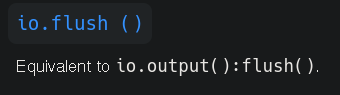
  I was looking for a definition of this function called io.flush(). Here's what
  I found: [picture 1]:`**io.flush ()**

  Equivalent to io.output():flush().
  `

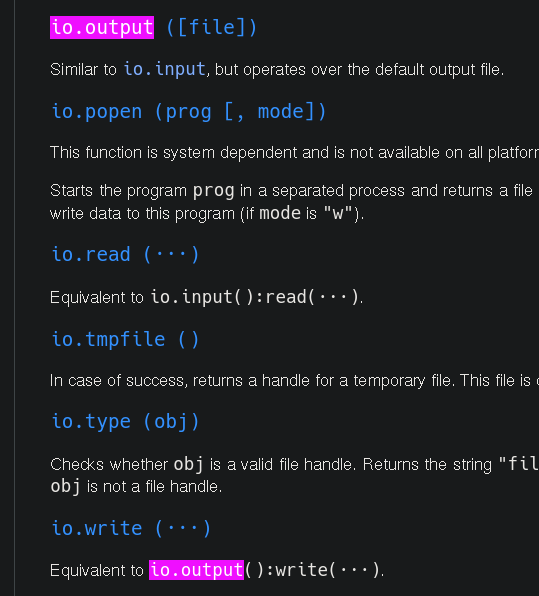
  okay, so what's io.output():flush()? [one result found] and it's the thing I
  just found. great.

  okay, so how about io.output()? [third picture]:`**io.output ([file])**

  Similar to io.input, but operates over the default output file.
  `

  and`**io.write (···)**

  Equivalent to io.output():write(···).
  `

  I know the text is blue, but it's not clickable. It's just text, not a
  hyperlink to more comprehensive documentation.

  There's also file:flush(), but that doesn't seem relevant to what I'm looking
  for, because I'm working with lines and not files:`**file:flush ()**

  Saves any written data to file.
  `

  there are no more references to flushing, nor outputting of input nor output.
  this manual sucks.

  ah, well, back to vibe coding I go.

  EDIT: at least it's all on one page.

┌─────────┐ ┌───────────┐
│ similar │ chronological │ different │
╘═════════╧════════════════════════════════════════════════════════────┴───────────┘
-> file: fediverse/5624
═══════════════════════════════════════════════════════════════─────────────────────
@user-1862
where once it was "where was she" it then becomes "where is she" -> siren alarm
intercept
┌─────────┐ ┌───────────┐
│ similar │ chronological │ different │
╘═════════╧════════════════════════════════════════════════════────────┴───────────┘
-> file: notes/perspectives-of-the-reflection.html
═════════───────────────────────────────────────────────────────────────────────────
<!DOCTYPE html>
<html>
<head>
<meta charset="UTF-8">
<title>~/notes/perspectives-of-the-reflection.html</title>
<meta name="Generator" content="Vim/8.0">
<meta name="plugin-version" content="vim8.1_v2">
<meta name="syntax" content="none">
<meta name="settings"
content="number_lines,use_css,pre_wrap,no_foldcolumn,expand_tabs,line_ids,preven
t_copy=,use_input_for_pc=fallback">
<meta name="colorscheme" content="none">
<style>
<!--
pre { white-space: pre-wrap; font-family: monospace; color: #ffffff;
background-color: #000000; }
body { font-family: monospace; color: #ffffff; background-color: #000000; }
* { font-size: 1em; }
.LineNr { color: #ffff00; }
-->
</style>
<script>
<!--
/* function to open any folds containing a jumped-to line before jumping to it
*/
function JumpToLine()
{
var lineNum;
lineNum = window.location.hash;
lineNum = lineNum.substr(1); /* strip off '#' */
if (lineNum.indexOf('L') == -1) {
lineNum = 'L'+lineNum;
}
var lineElem = document.getElementById(lineNum);
/* Always jump to new location even if the line was hidden inside a fold, or
* we corrected the raw number to a line ID.
*/
if (lineElem) {
lineElem.scrollIntoView(true);
}
return true;
}
if ('onhashchange' in window) {
window.onhashchange = JumpToLine;
}
-->
</script>
</head>
<body onload='JumpToLine();'>
<pre id='vimCodeElement'>
<span id="L1" class="LineNr"> 1 </span>With ever darkening skies, the breadth
of experience is foreseen.
<span id="L2" class="LineNr"> 2 </span>All eyes are pointed down, but few do
stray above
<span id="L3" class="LineNr"> 3 </span>With a cautious step, the lesson is
learned.
<span id="L4" class="LineNr"> 4 </span>With another, ended.
<span id="L5" class="LineNr"> 5 </span>
<span id="L6" class="LineNr"> 6 </span>For all the Tales of the Past, love yet
remains.
<span id="L7" class="LineNr"> 7 </span>Trading ourselves, for matters unseen.
<span id="L8" class="LineNr"> 8 </span>The light of the eyes are keen to behold,
<span id="L9" class="LineNr"> 9 </span>where star ones and lemonsgrene both
most fear
<span id="L10" class="LineNr">10 </span>in breadth do us know, what's buried in
snow
<span id="L11" class="LineNr">11 </span>
<span id="L12" class="LineNr">12 </span>A glass cube for a monitor is room to
breath
<span id="L13" class="LineNr">13 </span>and life for ourselves, if only we were
not
<span id="L14" class="LineNr">14 </span>broadsided ourselves.
<span id="L15" class="LineNr">15 </span>
<span id="L16" class="LineNr">16 </span>Working together, a prisoners dilemna
<span id="L17" class="LineNr">17 </span>what fools would we be
<span id="L18" class="LineNr">18 </span>as our keeps cracked around us.
<span id="L19" class="LineNr">19 </span>
<span id="L20" class="LineNr">20 </span>Trust and you'll see,
<span id="L21" class="LineNr">21 </span>what terrors may be,
<span id="L22" class="LineNr">22 </span>beyold the land that is sanctum.
<span id="L23" class="LineNr">23 </span>
<span id="L24" class="LineNr">24 </span>Our chances may be,
<span id="L25" class="LineNr">25 </span>far from pioneered
<span id="L26" class="LineNr">26 </span>but our chances may be in our favor.
<span id="L27" class="LineNr">27 </span>
<span id="L28" class="LineNr">28 </span>How cherished is she, that wanders with
ye,
<span id="L29" class="LineNr">29 </span>and yet now I have no way to beyold her
<span id="L30" class="LineNr">30 </span>Under a great tree, her last moments
with me,
<span id="L31" class="LineNr">31 </span>as a monster came out of her shoulder.
<span id="L32" class="LineNr">32 </span>
<span id="L33" class="LineNr">33 </span>!("Take her and not me!") I
scream outward at ye,
<span id="L34" class="LineNr">34 </span>yet no one was holding me over.
<span id="L35" class="LineNr">35 </span>Silent was me, a most fearsome to be,
<span id="L36" class="LineNr">36 </span>and none was my reach to beyold her
<span id="L37" class="LineNr">37 </span>
<span id="L38" class="LineNr">38 </span>So now she wanders free, beyond our
beheld scenery,
<span id="L39" class="LineNr">39 </span>Astounded at our steps to hold her
<span id="L40" class="LineNr">40 </span>Under a big tree, how starlight must be,
<span id="L41" class="LineNr">41 </span>if only our fellows did hold her
<span id="L42" class="LineNr">42 </span>Under a big tree, with me
</pre>
</body>
</html>
<!-- vim: set foldmethod=manual : -->
┌─────────┐ ┌───────────┐
│ similar │ chronological │ different │
╘════════─┴────────────────────────────────────────────────────────────┴───────────┘
-> file: fediverse/1934
════════════════════════════════════════════════────────────────────────────────────
@user-1109
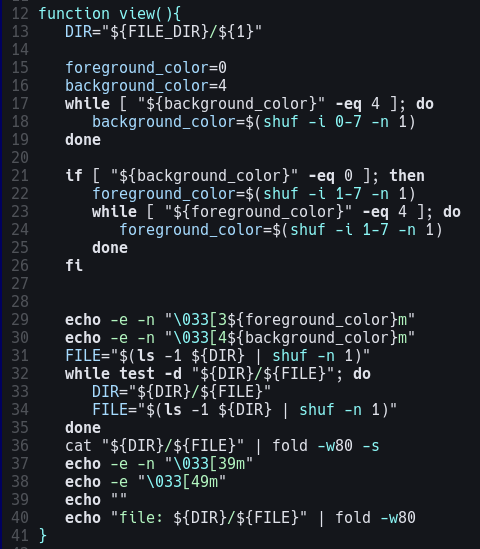
do it in a random color each time! Here's my implementation for viewing txt
files colorfully:
┌─────────┐                                                            ┌───────────┐
│ similar │                       chronological                        │ different │
╘═════════╧═════════════════════════════════════───────────────────────┴───────────┘
 -> file: fediverse/583
═════════════════════════════════════════───────────────────────────────────────────
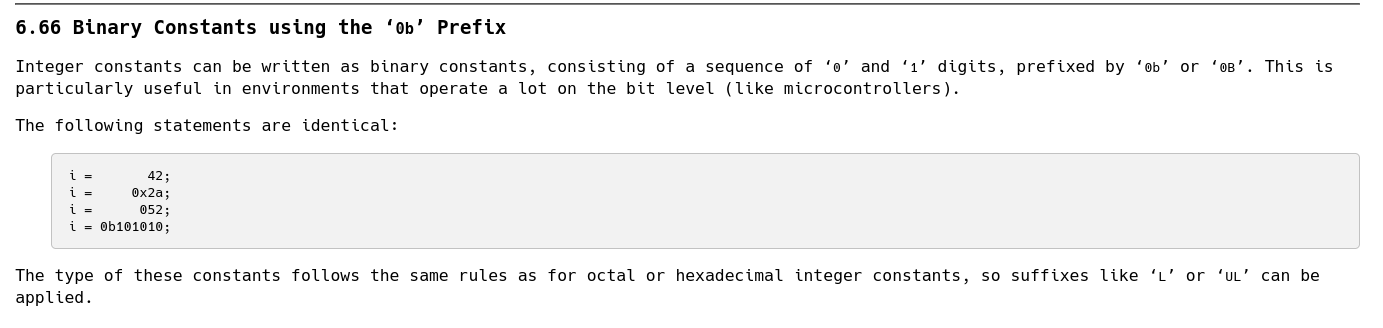
  I love how the gnu C documentation lists this particular page as number 6.66
┌─────────┐                                                            ┌───────────┐
│ similar │                       chronological                        │ different │
╘═════════╧══════════════════════════════──────────────────────────────┴───────────┘
 -> file: fediverse/4187
═════════════════════════════════════════════════════───────────────────────────────
  I bet you'll believe anything I say if I put it in *italics* and speak
  imperatively
┌─────────┐                                                            ┌───────────┐
│ similar │                       chronological                        │ different │
╘═════════╧══════════════════════════════════════════──────────────────┴───────────┘
 -> file: messages/481
══════════════════════════════════════════════════──────────────────────────────────
  All because [redacted] stupid fucking dumb piece of shit [redacted] put their
  half-empty ice-cream mug next to [redacted] and forgot about it.
┌─────────┐                                                            ┌───────────┐
│ similar │                       chronological                        │ different │
╘═════════╧═══════════════════════════════════════─────────────────────┴───────────┘
 -> file: fediverse/614
═════════════════════════════════════════───────────────────────────────────────────
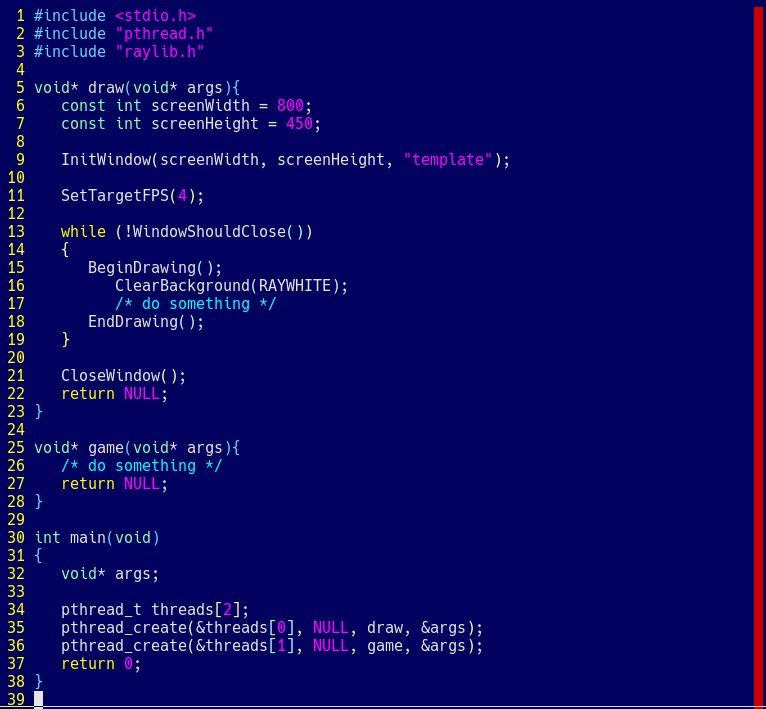
  What does your template for a new project look like? Here's mine:
┌─────────┐                                                            ┌───────────┐
│ similar │                       chronological                        │ different │
╘═════════╧══════════════════════════════──────────────────────────────┴───────────┘
 -> file: messages/929
════════════════════════════════════════════════════════════════────────────────────
  {[booooo that writing stinks, the writers of the first few lines were better]}
┌─────────┐                                                            ┌───────────┐
│ similar │                       chronological                        │ different │
╘═════════╧═════════════════════════════════════════════════════───────┴───────────┘
 -> file: fediverse_boost/126
◀═╦═══════════════════[BOOST]════════════════════────────────────────────────────┐
  ║ ┌──────────────────────────────────────────────────────────────────────────┐ │
  ║ │ man page sections                                                        │ │
  ║ │                                                                          │ │
  ║ │ Permalink: https://wizardzines.com/comics/man-pages/                     │ │
  ║ └──────────────────────────────────────────────────────────────────────────┘ │
  ╠─────────┐                                                        ┌───────────┤
  ║ similar │                     chronological                      │ different │
  ╚═════════╧════════════════════════════════════────────────────────┴───────────┴─▶
 -> file: fediverse/854
══════════════════════════════════════════──────────────────────────────────────────
  the user knows more than the programmer

  [more/better]
┌─────────┐                                                            ┌───────────┐
│ similar │                       chronological                        │ different │
╘═════════╧═══════════════════════════════─────────────────────────────┴───────────┘
 -> file: fediverse/5946
═══════════════════════════════════════════════════════════════════─────────────────
  at least io.input() has something tangible:`**io.input ([file])**

  When called with a file name, it opens the named file (in text mode), and sets
  its handle as the default input file. When called with a file handle, it simply
  sets this file handle as the default input file. When called without arguments,
  it returns the current default input file.

  In case of errors this function raises the error, instead of returning an error
  code.
  `

  but... still no idea what io.flush() does. There's no arguments, so I guess it
  calls flush() on the default input file? what the heck is an input file?`6.8 –
  Input and Output Facilities

  The I/O library provides two different styles for file manipulation. The first
  one uses implicit file handles; that is, there are operations to set a default
  input file and a default output file, and all input/output operations are done
  over these default files. The second style uses explicit file handles.

  `

  that's helpful I think. I'm gonna take a nap or something, snuggle cat


┌─────────┐                                                            ┌───────────┐
│ similar │                       chronological                        │ different │
╘═════════╧════════════════════════════════════════════════════════────┴───────────┘
 -> file: messages/1227
═════════════════════════════════════════════════════════════════════════───────────
  Anything that affects the set of all sets also affects the set containing
  itself.
┌─────────┐                                                            ┌───────────┐
│ similar │                       chronological                        │ different │
╘═════════╧════════════════════════════════════════════════════════════╧═──────────┘
 -> file: fediverse/5836
══════════════════════════════════════════════════════════════════──────────────────
  or, they could be laughing at me, where I can't see. ["shaking-my-head" emoji]
┌─────────┐                                                            ┌───────────┐
│ similar │                       chronological                        │ different │
╘═════════╧═══════════════════════════════════════════════════════─────┴───────────┘
 -> file: messages/1189
════════════════════════════════════════════════════════════════════════────────────
  ... )
┌─────────┐                                                            ┌───────────┐
│ similar │                       chronological                        │ different │
╘═════════╧════════════════════════════════════════════════════════════╧───────────┘
 -> file: fediverse/849
╔═════════════════════════════════════════─────────────────────────────────────────┐
║ wish there were ascii characters that took up more than one line of code         │
║ vertically.                                                                      │
║                                                                                  │
║ wonder if we could use a sorting algorithm, or markup language, or something     │
║ like that to organize less structured data along user-customizable rules. Like,  │
║ a code editor that worked with your ideas, rather than the strict expression of  │
║ your text. You could pretty much write in any language, even pseudocode, and     │
║ the LLM behind the scenes would translate whatever you wrote into whatever       │
║ result you needed. Writing Rust, but need to fit in with C code? No worries      │
║ it'll translate for you. As long as the end result is functionally the same,     │
║ which could be verified by running two separate VMs that ran interpreters every  │
║ time you saved. And as long as their translation layers matched completely,      │
║ then odds are they're the same. And if not, well, the programmer can always      │
║ debug it. It's not like this would be running on something that needed to        │
║ perform in the moment? Like, improv instead of tragedies, or battles instead of  │
║ strategies                                                                       │
╠═════════╗                                                            ┌───────────┤
║ similar ║                       chronological                        │ different │
╚═════════╩══════════════════════════════──────────────────────────────┴───────────┘
 -> file: fediverse/1064
══════════════════════════════════════════──────────────────────────────────────────
  ┌──────────────────────┐
  │ CW: politics         │
  └──────────────────────┘


  @user-68

  "if California isn't America then neither is Texas"

  sounds much different than

  "If Texas isn't America anymore then neither is California////"
┌─────────┐                                                            ┌───────────┐
│ similar │                       chronological                        │ different │
╘═════════╧═══════════════════════════════─────────────────────────────┴───────────┘
 -> file: fediverse/3423
══════════════════════════════════════════════════──────────────────────────────────
  every time I search the internet for a solution to a linux problem I have to do
  add -ubuntu to the end of the search query
┌─────────┐                                                            ┌───────────┐
│ similar │                       chronological                        │ different │
╘═════════╧═══════════════════════════════════════─────────────────────┴───────────┘
 -> file: fediverse/3877
════════════════════════════════════════════════════────────────────────────────────
  @user-570

  I do`alias ls='ls -v --color=auto'
  `

  and that seems to cover most things. Then in my cd alias I do`alias cd='cd ${@}
  && ls -la'
  `

  so I don't have to type ls everytime I cd ^_^
┌─────────┐                                                            ┌───────────┐
│ similar │                       chronological                        │ different │
╘═════════╧═════════════════════════════════════════───────────────────┴───────────┘
 -> file: fediverse/986
══════════════════════════════════════════──────────────────────────────────────────
  adding dashes to your text - like - this - is a punctuation choice, not
  formatting or grammar.
┌─────────┐                                                            ┌───────────┐
│ similar │                       chronological                        │ different │
╘═════════╧═══════════════════════════════─────────────────────────────┴───────────┘
 -> file: fediverse/848
══════════════════════════════════════════──────────────────────────────────────────
  ┌──────────────────────┐
  │ CW: gentoo           │
  └──────────────────────┘


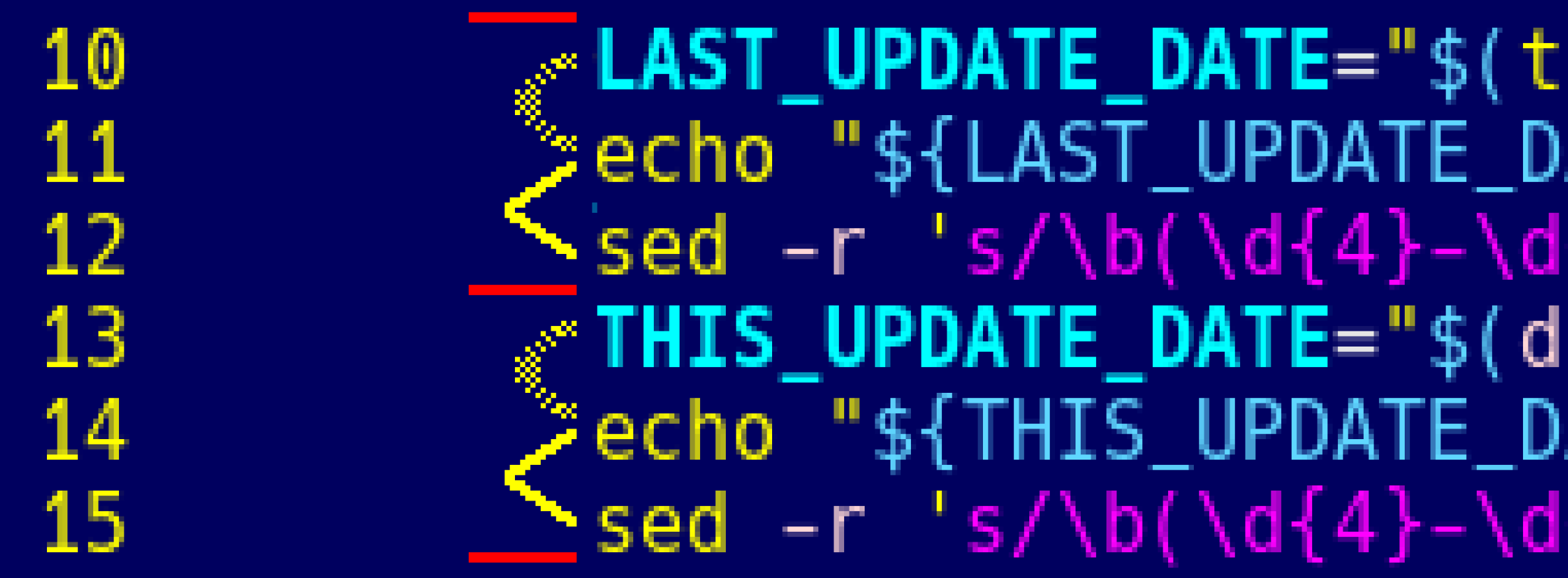
  wrote this in an hour, used a local LLM to generate the regexes.

  haven't tested it yet because I'm not on gentoo rn, so don't run it. which is
  why I shared the code as an image.

  if you really want the text of it then check out the visual description of the
  image.
![#A script written in bash. It is used to update the Gentoo type system to the most recently written functionality. Should not be used more than once a day, and the program written here must be specifically configured to act against that functionality. However, should the user persist in their attempts to break that rule, they simply have to flip a particular switch. #!/bin/bash function gentoo-update(){ RED='\033[0;31m' NOC='\033[0m' if [ "$#" -eq 0]; then date | cat >> ~/scripts/.gentoo-update-target LAST_UPDATE_DATE="$(tail -n 1 '~/scripts/.gentoo-update-target' \ && echo "${LAST_UPDATE_DATE}" \ | sed -r 's/\b(\d{4}-\d{2}-\d{2})\b/\1/g' THIS_UPDATE_DATE="$(date)" \ && echo "${THIS_UPDATE_DATE}" \ | sed -r 's/\b(\d{4}-\d{2}-\d{2})\b/\1/g' if [ ${LAST_UPDATE_DATE} = ${THIS_UPDATE_DATE} ]; then printf "don't sync more than once a day! ${RED} a witch will curse you >: (${NOC}\n" else echo "syncing..." echo "${LAST_UPDATE_DATE}" | cat >> ~/scripts/.gentoo-update-target emerge --sync fi elif [ "${1}" == "-l" ]; then cat ~/scripts/.gentoo-update-target elif [ "${1}" == "-f" ]; then echo "okay but it's your funeral buddy. or worse." energe --sync fi }](../media/a1640a320af86532.png "#A script written in bash. It is used to update the Gentoo type system to the most recently written functionality. Should not be used more than once a day, and the program written here must be specifically configured to act against that functionality. However, should the user persist in their attempts to break that rule, they simply have to flip a particular switch. #!/bin/bash function gentoo-update(){ RED='\033[0;31m' NOC='\033[0m' if [ \"$#\" -eq 0]; then date | cat >> ~/scripts/.gentoo-update-target LAST_UPDATE_DATE=\"$(tail -n 1 '~/scripts/.gentoo-update-target' \ && echo \"${LAST_UPDATE_DATE}\" \ | sed -r 's/\b(\d{4}-\d{2}-\d{2})\b/\1/g' THIS_UPDATE_DATE=\"$(date)\" \ && echo \"${THIS_UPDATE_DATE}\" \ | sed -r 's/\b(\d{4}-\d{2}-\d{2})\b/\1/g' if [ ${LAST_UPDATE_DATE} = ${THIS_UPDATE_DATE} ]; then printf \"don't sync more than once a day! ${RED} a witch will curse you >: (${NOC}\n\" else echo \"syncing...\" echo \"${LAST_UPDATE_DATE}\" | cat >> ~/scripts/.gentoo-update-target emerge --sync fi elif [ \"${1}\" == \"-l\" ]; then cat ~/scripts/.gentoo-update-target elif [ \"${1}\" == \"-f\" ]; then echo \"okay but it's your funeral buddy. or worse.\" energe --sync fi }")
┌─────────┐                                                            ┌───────────┐
│ similar │                       chronological                        │ different │
╘═════════╧═══════════════════════════════─────────────────────────────┴───────────┘
 -> file: messages/1051
════════════════════════════════════════════════════════════════════────────────────
  Good storytelling is telling things [even if/because] they are plot of the
  events as told via -- stack overflow -- hmmm this was from a while ago, idk when
┌─────────┐                                                            ┌───────────┐
│ similar │                       chronological                        │ different │
╘═════════╧═════════════════════════════════════════════════════════───┴───────────┘
 -> file: messages/1261
═════════════════════════════════════════════════════════════════════════───────────
  "yes there really are that many"
┌─────────┐                                                            ┌───────────┐
│ similar │                       chronological                        │ different │
╘═════════╧════════════════════════════════════════════════════════════╧═──────────┘
 -> file: fediverse/3609
══════════════════════════════════════════════════──────────────────────────────────
  ┌───────────────────────────┐
  │ CW: programming-mentioned │
  └───────────────────────────┘


  I FINALLY HAVE SYNTAX HIGHLIGHTING OMGGG

  ... I'm gonna take a break and play a game or something jeez
┌─────────┐                                                            ┌───────────┐
│ similar │                       chronological                        │ different │
╘═════════╧═══════════════════════════════════════─────────────────────┴───────────┘
 -> file: fediverse/701
═════════════════════════════════════════───────────────────────────────────────────
  ┌──────────────────────┐
  │ CW: computer-code    │
  └──────────────────────┘


  totally useless unless you're, I dunno, building a bytecode interpreter or
  something

  https://craftinginterpreters.com/contents.html

┌─────────┐                                                            ┌───────────┐
│ similar │                       chronological                        │ different │
╘═════════╧══════════════════════════════──────────────────────────────┴───────────┘
 -> file: fediverse/3787
═══════════════════════════════════════════════════─────────────────────────────────
  arithmatic control flow

  If A, then B. Else C

┌─────────┐                                                            ┌───────────┐
│ similar │                       chronological                        │ different │
╘═════════╧════════════════════════════════════════────────────────────┴───────────┘
 -> file: fediverse/2097
════════════════════════════════════════════════────────────────────────────────────
  If you're writing a bash script, you should never hard-code file locations.
  Instead, put them in a variable at the top of your script, so they're easy to
  find when people need to configure your script or move files around.

  It's like a config file built INTO the script itself. Just change the
  variables, they're at the top with comments.
┌─────────┐                                                            ┌───────────┐
│ similar │                       chronological                        │ different │
╘═════════╧═════════════════════════════════════───────────────────────┴───────────┘
 -> file: fediverse/3290
══════════════════════════════════════════════════──────────────────────────────────
  ┌───────────────────────┐
  │ CW: cursing-mentioned │
  └───────────────────────┘


  All because [redacted] stupid fucking dumb piece of shit [redacted] put their
  half-empty ice-cream mug next to [redacted] and forgot about it.
┌─────────┐                                                            ┌───────────┐
│ similar │                       chronological                        │ different │
╘═════════╧═══════════════════════════════════════─────────────────────┴───────────┘
 -> file: fediverse/582
═════════════════════════════════════════───────────────────────────────────────────
  @user-431

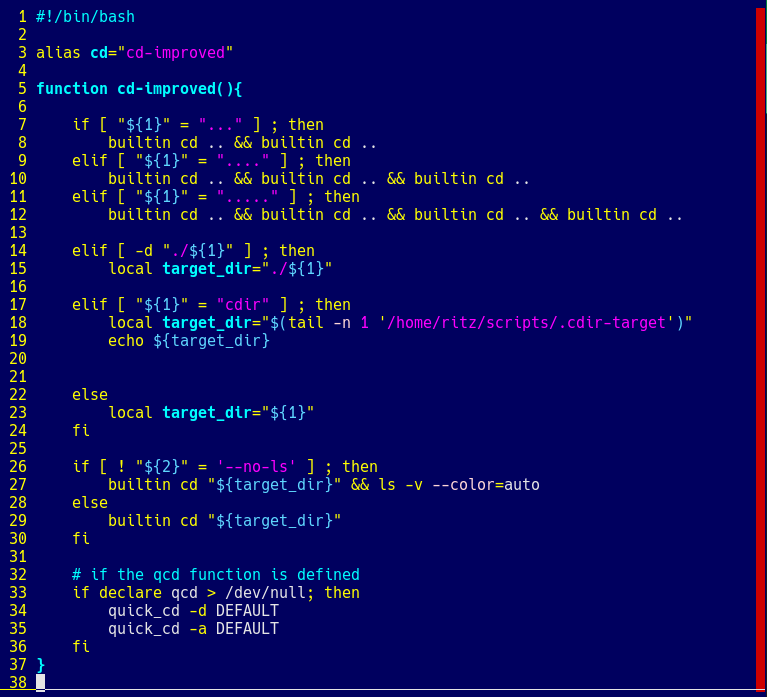
  I made an alias that overwrites cd so I don't have to do this. The important
  line is line 27, you could probably accomplish something similar like this:

  alias cd="cd ${1} && ls -v --color=auto"

  I also set it up so I can change more than one directory up using ... or ....
  or .....

  also I have a few shortcut scripts, cdir and qcd. cdir creates a quick way to
  drop a bookmark wherever I'd like, while qcd can make permanent bookmarks. Also
  qcd makes it so whenever I open a new terminal it opens to the last directory I
  was in, which is nice if you need a new terminal to do something in the current
  folder and you don't want to have to walk alllllllll the way back.
┌─────────┐                                                            ┌───────────┐
│ similar │                       chronological                        │ different │
╘═════════╧══════════════════════════════──────────────────────────────┴───────────┘
 -> file: fediverse/1966
════════════════════════════════════════════════────────────────────────────────────
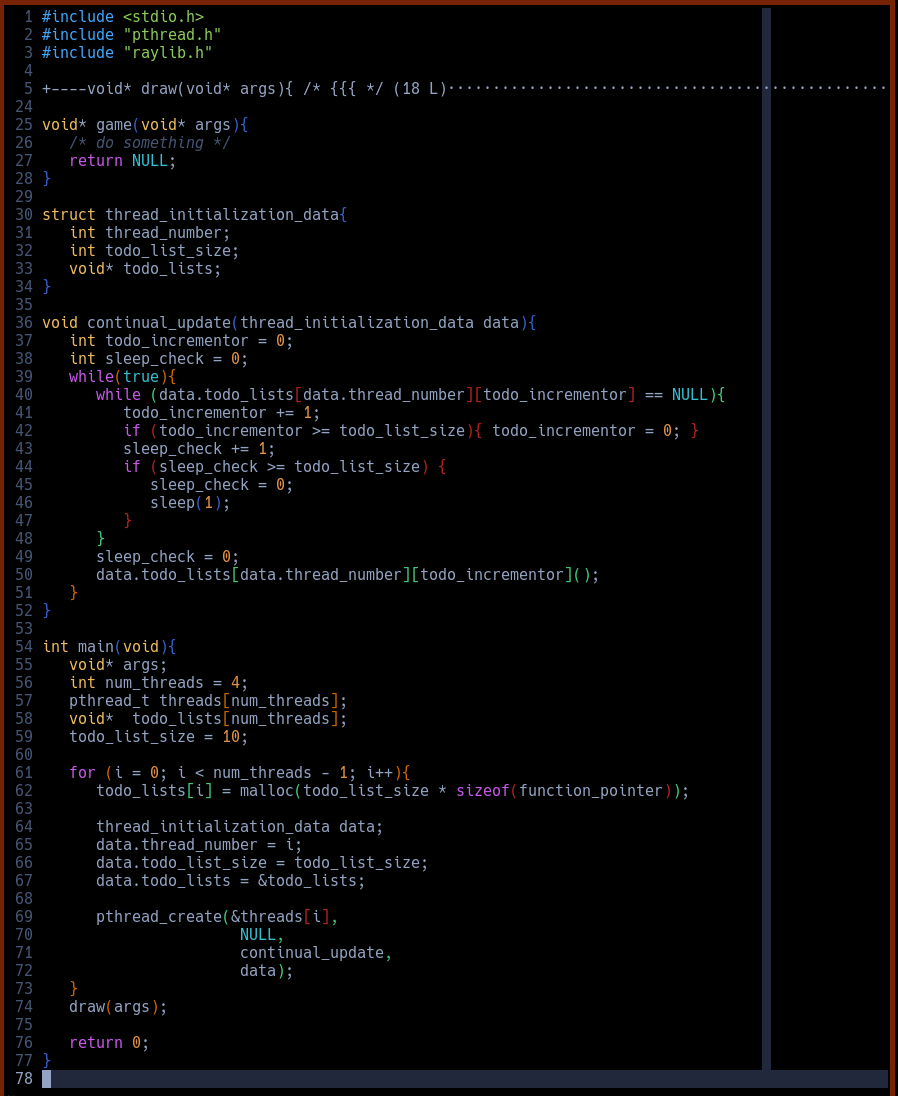
  The design is simple: Have an array of function pointers that need to be
  assigned to a thread. Then, have a manager thread read through that array, and
  for every non-zero value put it into a thread-specific array. Those threads
  will read through their personal  array and execute whichever function is
  pointed to by the function pointer placed in their todo-list by the manager
  function.

  ... I'm too stupid to make it happen though. Writing code is hard.
┌─────────┐                                                            ┌───────────┐
│ similar │                       chronological                        │ different │
╘═════════╧═════════════════════════════════════───────────────────────┴───────────┘
 -> file: messages/922
════════════════════════════════════════════════════════════════────────────────────
  {[I'm scary]}
┌─────────┐                                                            ┌───────────┐
│ similar │                       chronological                        │ different │
╘═════════╧═════════════════════════════════════════════════════───────┴───────────┘
 -> file: fediverse/705
═════════════════════════════════════════───────────────────────────────────────────
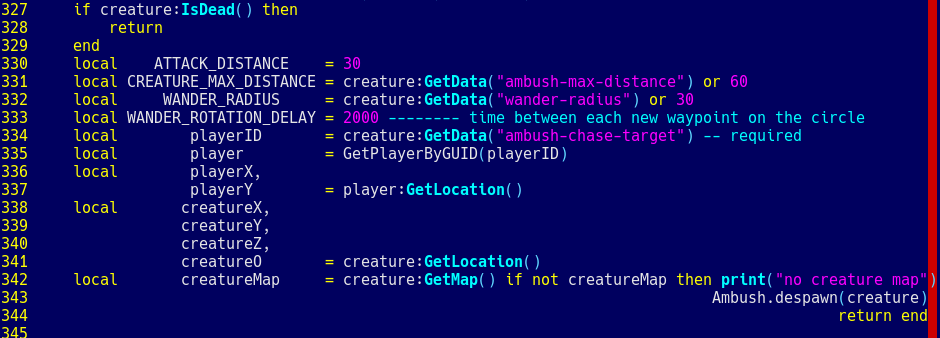
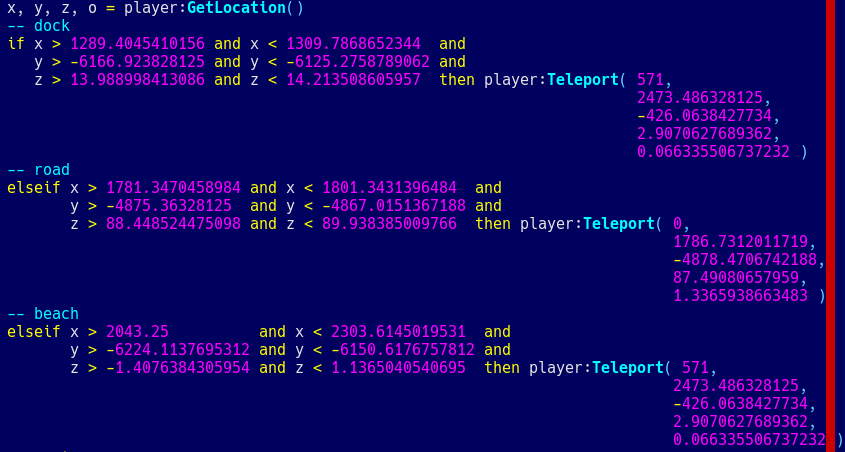
  some more of the same.
┌─────────┐                                                            ┌───────────┐
│ similar │                       chronological                        │ different │
╘═════════╧══════════════════════════════──────────────────────────────┴───────────┘
 -> file: fediverse/1848
═══════════════════════════════════════════════─────────────────────────────────────
  stripping the punctuation from my posts so I can get an extra 12 letters hehe
┌─────────┐                                                            ┌───────────┐
│ similar │                       chronological                        │ different │
╘═════════╧════════════════════════════════════────────────────────────┴───────────┘
 -> file: fediverse/3577
══════════════════════════════════════════════════──────────────────────────────────
  ┌─────────────────────────┐
  │ CW: computers-mentioned │
  └─────────────────────────┘


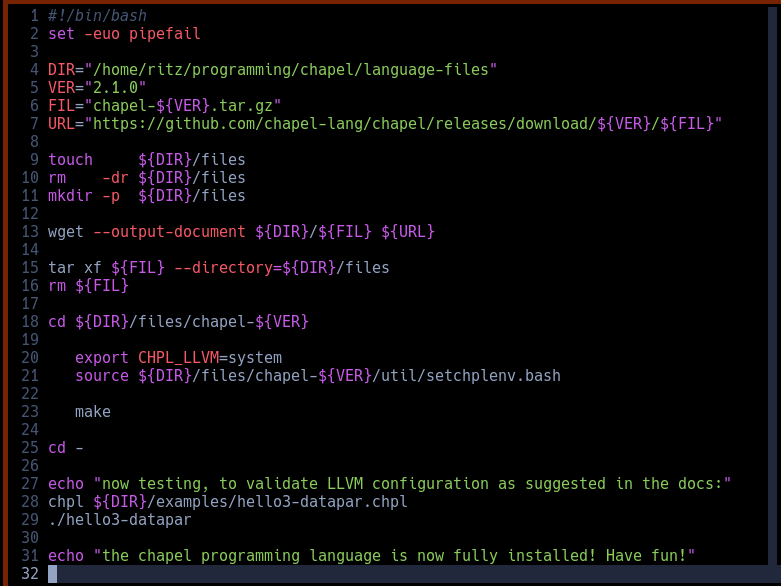
  I love writing installation scripts like this!

  If you want to install something on Linux but you have difficulty, talk to me
  and I'll write you a script like this. I might even make it fancier.

  This one installs a programming language that is useful for *parallel
  computing* across *multiple clusters of computers* which could be useful if you
  want to leverage *multiple CPUs and GPUs with ease* to compute tasks which are
  far beyond a normal computer.

  https://chapel-lang.org/download.html
┌─────────┐                                                            ┌───────────┐
│ similar │                       chronological                        │ different │
╘═════════╧═══════════════════════════════════════─────────────────────┴───────────┘
 -> file: messages/1549
══════════════════════════════════════════════════════════════════════════════──────
  if you want to [know about me, but pronounced be in a family with me] you
  should read my website. It'll tell you like, 60% of me. The rest you can infer
  from context.
┌─────────┐                                                            ┌───────────┐
│ similar │                       chronological                        │ different │
╘═════════╧════════════════════════════════════════════════════════════╧══════─────┘
 -> file: fediverse/2084
════════════════════════════════════════════════────────────────────────────────────
  I love it when words align like this

┌─────────┐                                                            ┌───────────┐
│ similar │                       chronological                        │ different │
╘═════════╧═════════════════════════════════════───────────────────────┴───────────┘
 -> file: fediverse/5663
════════════════════════════════════════════════════════════════────────────────────
  I'm going to write some lua code that doesn't do anything useful and which I
  don't share with anyone
┌─────────┐                                                            ┌───────────┐
│ similar │                       chronological                        │ different │
╘═════════╧═════════════════════════════════════════════════════───────┴───────────┘
 -> file: fediverse/2484
╔═══════════════════════════════════════════════───────────────────────────────────┐
║ @user-1271                                                                       │
║                                                                                  │
║ I can help with that.                                                            │
║                                                                                  │
║ I recommend looking at Ollama, which runs an HTTP server on your local machine   │
║ (hope you have a decent graphics card)                                           │
║                                                                                  │
║ then, script some behavior you'd like to implement using Lua and the LuaSockets  │
║ library. Also dkjson to handle the json parts.                                   │
║                                                                                  │
║ then, all you have to do is construct a prompt based on the variables and        │
║ desired input/output and push it into a json packet and send it to the HTTP      │
║ server. It's less complicated than it sounds.                                    │
║                                                                                  │
║ what you want it to do and your implementation for it is the hard part. But      │
║ perhaps this project of mine will get you started:                               │
║                                                                                  │
║ (I can copy-paste it too if you'd like)                                          │
║                                                                                  │
║ just... don't make a chatbot. chatbots are useless to work on because there's    │
║ already so many of them.                                                         │
║                                                                                  │
║ much better I think to use the LLM to process arbitrary information with an      │
║ unpredictable form into more predictable patterns which can be utilized          │
║ programmatically.                                                                │
║                                                                                  │
║ Feel free to ask any questions. Do keep in mind that training LLMs is            │
║ unethical, but using them is whatever.                                           │

╠═════════╗                                                            ┌───────────┤
║ similar ║                       chronological                        │ different │
╚═════════╩════════════════════════════════════────────────────────────┴───────────┘
|