 -> file: fediverse/6385
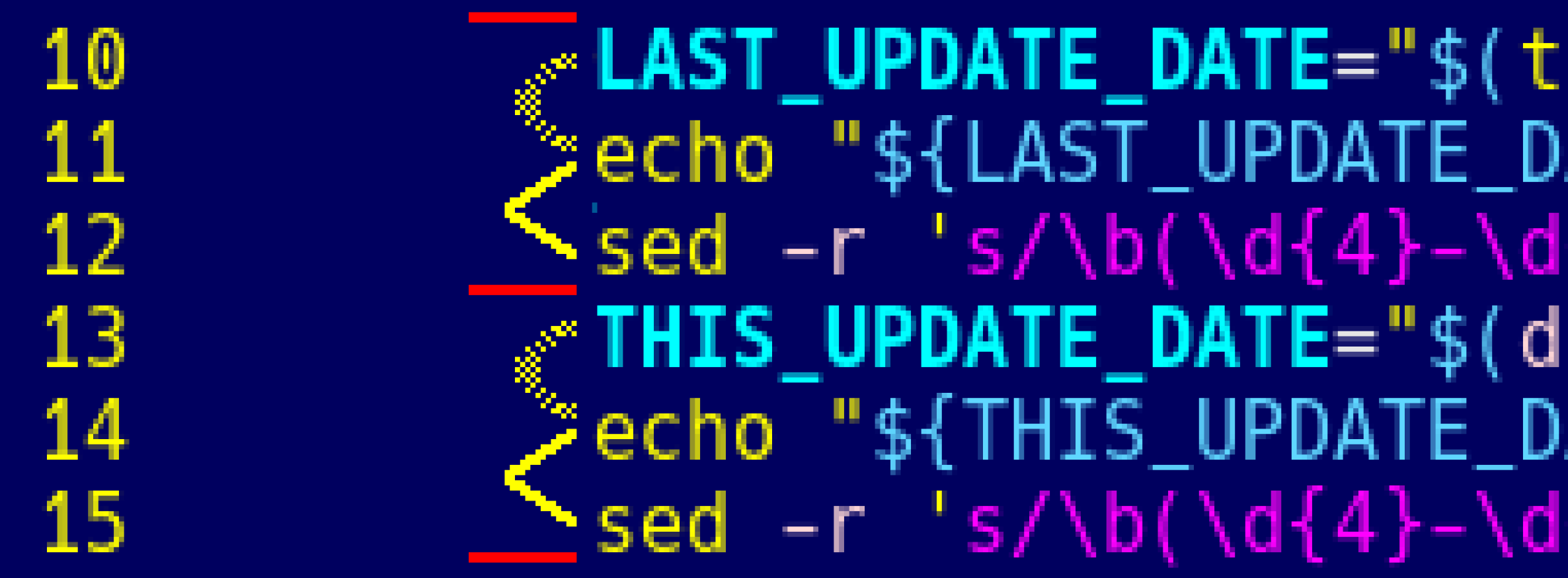
══════════════════════════════════════════════════════════════════════──────────────
  interpreted programs allow you to change variables at run-time from remote.
┌─────────┐                                                            ┌───────────┐
│ similar │                       chronological                        │ different │
╘═════════╧═══════════════════════════════════════════════════════════─┴───────────┘
 -> file: fediverse/2638
════════════════════════════════════════════════────────────────────────────────────
  I really do believe that you can write any computer program you'd like with a
  combination of Lua, Bash, and C.

  Bash to start the program and enable updates / configuration, Lua to handle the
  scripting and ordering of events, and C (or Rust) to execute performance
  intensive sections. (often in their own threads)
┌─────────┐                                                            ┌───────────┐
│ similar │                       chronological                        │ different │
╘═════════╧═════════════════════════════════════───────────────────────┴───────────┘
 -> file: fediverse/3299
══════════════════════════════════════════════════──────────────────────────────────
  what if we could record and playback certain timeframes of our CPU and RAM
  status and use it for debug purposes

  like running some code in a VM every time you wanted to show a youtube video
┌─────────┐                                                            ┌───────────┐
│ similar │                       chronological                        │ different │
╘═════════╧═══════════════════════════════════════─────────────────────┴───────────┘
 -> file: fediverse/5237
╔════════════════════════════════════════════════════════════──────────────────────┐
║ that feeling when you're working on a large piece of software which has the      │
║ capability to process in advance which operations will go in what order (a form  │
║ of constant re-compilation) and schedules tasks like an operating system, to be  │
║ executed on one of many individual threads.                                      │
║                                                                                  │
║ your filemanager probably has a thread for a moment, then passes it back,        │
║ waiting it's turn to be updated while you're messing around on Inkscape or       │
║ writing something in Neovim or running neofetch 256 times in order to find the   │
║ best background to go along with it or whatever it is people do when using       │
║ computers                                                                        │
║                                                                                  │
║ the task scheduler meanwhile has the glorious opportunity to work at a higher    │
║ level of abstraction, managing each individual process and learning bits and     │
║ pieces of what needs to be processed next. It all gets put on a list, and        │
║ whenever a new thread comes up to be available it can point it toward one of     │
║ those in the list of tasks to be executed by the task executor who works on a    │
║ schedule and laughs externally in wintertime~                                    │
╠═════════╗                                                            ┌───────────┤
║ similar ║                       chronological                        │ different │
╚═════════╩═════════════════════════════════════════════════───────────┴───────────┘
 -> file: fediverse/1034
══════════════════════════════════════════──────────────────────────────────────────
  @user-192

  be careful, recursion can cause stack overflows.

  better to run function pointers from a loop. That way you can operate as long
  as necessary. Just make sure you don't get in an infinite loop...
┌─────────┐                                                            ┌───────────┐
│ similar │                       chronological                        │ different │
╘═════════╧═══════════════════════════════─────────────────────────────┴───────────┘
 -> file: fediverse/5179
════════════════════════════════════════════════════════════────────────────────────
  why don't corporations let you write code in whatever language you want? it's
  trivial to run a compiler or interpreter inside of another program.
┌─────────┐                                                            ┌───────────┐
│ similar │                       chronological                        │ different │
╘═════════╧═════════════════════════════════════════════════───────────┴───────────┘
 -> file: fediverse_boost/334
◀═╦═════════════════════════[BOOST]══════════════════════════────────────────────┐
  ║ ┌──────────────────────────────────────────────────────────────────────────┐ │
  ║ │ compiler errors per revolution                                           │ │
  ║ └──────────────────────────────────────────────────────────────────────────┘ │
  ╠─────────┐                                                        ┌───────────┤
  ║ similar │                     chronological                      │ different │
  ╚═════════╧════════════════════════════════════════════════────────┴───────────┴─▶
 -> file: fediverse/247
═══════════════════════════════════════─────────────────────────────────────────────
  @user-195 parallel is when two programs run simultaneously, like two parallel
  lines (threads) that never touch.

  concurrent is when the two lines are split up into chunks and the program
  switches between them - like this: -----_----

  *enter alternate universe*

  parallel is when two programs operate on the same axis - usually time - and
  never interfere with each other. the OS will switch between them as appropriate
  to make sure they never intersect. Sorta like this: -----_----

  concurrent is when two programs are executed simultaneously, primarily
  constituting computation correlated with collective contents of coordinated
  collaboration between contextually related coroutines.

  It's simple, even a beginner could figure it out.
┌─────────┐                                                            ┌───────────┐
│ similar │                       chronological                        │ different │
╘═════════╧════════════════════════════────────────────────────────────┴───────────┘
 -> file: fediverse/5180
╔═══════════════════════════════════════════════════════════───────────────────────┐
║ it's trivial to run a C compiler inside of a lua interpretation of a script.     │
║ And vice versa - you could totally run lua functions from C. Just point to the   │
║ spot in memory where they're stored / operating, and call                        │
║ "update_class_exhibitor_type_d()" and the linker will come along and say "huh    │
║ this looks like something from this library that's part of the requirements up   │
║ above" (the "includes" section is where you say which files include the          │
║ functions you're going to be calling) and in this particular case it would see   │
║ that you need to start up a lua interpreter *inside of the [either compiler or   │
║ running program I can't remember]* to properly execute the function of the       │
║ function that you're pointing at with a lua-pointer style data object which is   │
║ part of a struct that stores all the other lua functions in a spot in memory.    │
║                                                                                  │
║ this would enable you to write computer programs in whatever language you        │
║ choose, and build them into one large project. Essentially opening up software   │
║ development to ANYONE WHO CAN PROGRAM                                            │
╠═════════╗                                                            ┌───────────┤
║ similar ║                       chronological                        │ different │
╚═════════╩════════════════════════════════════════════════────────────┴───────────┘
 -> file: fediverse/1983
════════════════════════════════════════════════────────────────────────────────────
  @user-1037

  I guess I'm saying that for non-standard functions (most of them) they should
  need to make a ticket every time they want to run a function call. Perhaps only
  in debug mode...
┌─────────┐                                                            ┌───────────┐
│ similar │                       chronological                        │ different │
╘═════════╧═════════════════════════════════════───────────────────────┴───────────┘
 -> file: fediverse_boost/10
◀═╦══════════════[BOOST]═══════════════──────────────────────────────────────────┐
  ║ ┌──────────────────────────────────────────────────────────────────────────┐ │
  ║ │ Webpages should never have been allowed to execute code.                 │ │
  ║ └──────────────────────────────────────────────────────────────────────────┘ │
  ╠─────────┐                                                        ┌───────────┤
  ║ similar │                     chronological                      │ different │
  ╚═════════╧══════════════════════════──────────────────────────────┴───────────┴─▶
 -> file: bluesky/12
══════════════════════════════════════════════════════════──────────────────────────
  alas, if only the command for deleting the contents of a directory and the
  command to delete THE ENTIRE COMPUTER FROM EXISTENCE are off by a single .
┌─────────┐                                                            ┌───────────┐
│ similar │                       chronological                        │ different │
╘═════════╧═══════════════════════════════════════════════─────────────┴───────────┘
 -> file: fediverse/701
═════════════════════════════════════════───────────────────────────────────────────
  ┌──────────────────────┐
  │ CW: computer-code    │
  └──────────────────────┘


  totally useless unless you're, I dunno, building a bytecode interpreter or
  something

  https://craftinginterpreters.com/contents.html

┌─────────┐                                                            ┌───────────┐
│ similar │                       chronological                        │ different │
╘═════════╧══════════════════════════════──────────────────────────────┴───────────┘
 -> file: bluesky/27
═══════════════════════════════════════════════════════════════════════─────────────
  you can have as many processes running on a computer as you please, just make
  sure they're all named chrome.exe so the user doesn't suspect a thing.
┌─────────┐                                                            ┌───────────┐
│ similar │                       chronological                        │ different │
╘═════════╧════════════════════════════════════════════════════════════┴───────────┘
 -> file: fediverse/3663
══════════════════════════════════════════════════──────────────────────────────────
  @user-1582

  It depends on the size of the file, copying a thousand lines of config file
  probably isn't that big of a deal, but copying a million lines in a log file
  just to pass it as an argument to... pad it to the left, or whatever, that'll
  DEFINITELY slow down your execution speed!

  Much better to pass by reference, usually...
┌─────────┐                                                            ┌───────────┐
│ similar │                       chronological                        │ different │
╘═════════╧═══════════════════════════════════════─────────────────────┴───────────┘
 -> file: fediverse/933
══════════════════════════════════════════──────────────────────────────────────────
  @user-643

  virtual machines are cool. betcha can't write one using bytecode

  https://gameprogrammingpatterns.com/bytecode.html
┌─────────┐                                                            ┌───────────┐
│ similar │                       chronological                        │ different │
╘═════════╧═══════════════════════════════─────────────────────────────┴───────────┘
 -> file: fediverse/4123
═════════════════════════════════════════════════════───────────────────────────────
  @user-883

  you're right

  but I think your first impulse should be to think about how to do it in a
  multithreaded way

  If the result is that single-threading would be better, great! It'll be easier!

  But thinking about multithreading first will give you crucial insights into the
  structure of the program.

  depending on what kinds of programming you do...!
┌─────────┐                                                            ┌───────────┐
│ similar │                       chronological                        │ different │
╘═════════╧══════════════════════════════════════════──────────────────┴───────────┘
 -> file: fediverse/2116
════════════════════════════════════════════════────────────────────────────────────
  a program that bundles another program and compiles it during it's normal
  operation in order to derive a certain purpose which is quickly overwritten in
  memory, so you can't get the full picture of what it does.

  like, a fast moving function that's never really clear in it's purpose.

  because it changes a lot of things that don't really seem to matter,

  like a constant wrestling match over the nature of the computer program.

  which would you rather? a dance, or a death-splatter?

  yeesh, where's my cat, I need something to cuddle.

  she's been distant from me, lately.
┌─────────┐                                                            ┌───────────┐
│ similar │                       chronological                        │ different │
╘═════════╧═════════════════════════════════════───────────────────────┴───────────┘
 -> file: fediverse/3482
══════════════════════════════════════════════════──────────────────────────────────
  ┌───────────────────────┐
  │ CW: cursing-mentioned │
  └───────────────────────┘


  "Alright I'm not great with syntax so I'm going to write it in pseudocode
  first, and then if you'd like I can show you how I work through implementing
  the syntax.

  But first - do you want a robust solution, a quick solution, or a rapidly
  deployed and cheap solution?"

  using this trick you can pretend to be competent in any programming language,
  except maybe ancient ones like Fortran or strange ones like lisps or Haskell

  if they ask you to use a framework or something tho you're kinda boned because
  you need to know which functions to call and how to initialize context and
  such. When using a framework, the boilerplate is the code, which is why
  frameworks suck

  "*don't call yourself a programmer*" fuck off
┌─────────┐                                                            ┌───────────┐
│ similar │                       chronological                        │ different │
╘═════════╧═══════════════════════════════════════─────────────────────┴───────────┘
 -> file: messages/412
═══════════════════════════════════════════════─────────────────────────────────────
  Coding superpower:

  Start thread
  While(true):
  Run();

  Then, whenever you want it to run something else, change the function pointer
  that run() uses to call a function

  At the end of the run() function, set the function pointer in the while loop to
  the next one. That way you don't stack overflow from the recursion.
┌─────────┐                                                            ┌───────────┐
│ similar │                       chronological                        │ different │
╘═════════╧════════════════════════════════════────────────────────────┴───────────┘
 -> file: fediverse/702
═════════════════════════════════════════───────────────────────────────────────────
  Branches cause cache misses which are slow when done on repeat.

  Better to structure your code to avoid them, if possible, for example by using
  an array of function pointers instead of switch statements.

  unrelated, but once the data is cached from memory, operations like bit
  shifting and arithmetic are essentially free. The slowest part of the process
  is moving data from RAM to cache so that the CPU can use it.

  That being said, CPUs and compilers are VERY good at optimizing that type of
  thing these days.
┌─────────┐                                                            ┌───────────┐
│ similar │                       chronological                        │ different │
╘═════════╧══════════════════════════════──────────────────────────────┴───────────┘
 -> file: fediverse/3587
══════════════════════════════════════════════════──────────────────────────────────
  ┌─────────────────────────────┐
  │ CW: re: computers-mentioned │
  └─────────────────────────────┘


  I realized that script was bugged, so... here's a better one. Plus a fun run
  script too!`#!/bin/bash
  set -euo pipefail

  DIR="/home/ritz/programming/chapel/language-files"
  VER="2.1.0"
  FIL="chapel-${VER}.tar.gz"
  URL="https://github.com/chapel-lang/chapel/releases/download/${VER}/${FIL}"
  NUM_THREADS="16"

  touch     ${DIR}/files
  rm    -dr ${DIR}/files
  mkdir -p  ${DIR}/files

  wget --output-document ${DIR}/${FIL} ${URL}

  tar xf ${FIL} --directory=${DIR}/files
  rm ${FIL}

  cd ${DIR}/files/chapel-${VER}

     export CHPL_LLVM=system
     source ${DIR}/files/chapel-${VER}/util/setchplenv.bash

     make -j${NUM_THREADS}


     echo "now testing, to validate LLVM configuration as suggested in the docs:"
     chpl "./examples/hello3-datapar.chpl"
     ./hello3-datapar

     echo "the chapel programming language is now fully installed! Have fun!"

  cd -
  `
┌─────────┐                                                            ┌───────────┐
│ similar │                       chronological                        │ different │
╘═════════╧═══════════════════════════════════════─────────────────────┴───────────┘
 -> file: fediverse/634
═════════════════════════════════════════───────────────────────────────────────────
  @user-192

  I'd agree with that. it's not designed for performance, not really. Mostly
  ubiquity, which is it's strength. As long as something can be compiled to a
  binary, BASH can execute it. That's why it's good, for accomplishing *diverse*
  tasks that you cannot have the capacity to program yourself. Scientific
  computations or cultural approximations, things that are beyond your intuitive
  understanding as a human on this earth, but which compel and align your
  thinking.

  I'm sure someone could create a more intuitive or accessible syntax, but syntax
  isn't the point - the capabilities, what you can do with it, has always defined
  the purpose of programming paradigms. And BASH is (currently) at the forefront
  of it's niche, the "terminal" language that handles "command line"
  applications. Powershell is good, yes... but it's not as good as BASH. Neither
  is Fish or... the one that starts with a z? zfs? something like that. The
  acronyms are hard to keep straight sometimes.
┌─────────┐                                                            ┌───────────┐
│ similar │                       chronological                        │ different │
╘═════════╧══════════════════════════════──────────────────────────────┴───────────┘
 -> file: fediverse/5214
═════════════════════════════════════════════════════════════───────────────────────
  @user-1773

  what if all programs had legally mandated APIs which had to be called every
  time text was displayed on the screen which wrote to a piece of shared memory
  with read-only privileges that could be read by text-displaying applications?
┌─────────┐                                                            ┌───────────┐
│ similar │                       chronological                        │ different │
╘═════════╧══════════════════════════════════════════════════──────────┴───────────┘
 -> file: fediverse/1977
════════════════════════════════════════════════────────────────────────────────────
  functions should be forced to describe the context of why they were being
  called. I think it would help debug a lot if we supplied a reasoning for each
  and every request [function call] that we made. We might even be able to parse
  them into semantic pyramids which we could sorta use to estimate [tree-like
  scanning] how and why the program did do wrong.
┌─────────┐                                                            ┌───────────┐
│ similar │                       chronological                        │ different │
╘═════════╧═════════════════════════════════════───────────────────────┴───────────┘
 -> file: fediverse/849
╔═════════════════════════════════════════─────────────────────────────────────────┐
║ wish there were ascii characters that took up more than one line of code         │
║ vertically.                                                                      │
║                                                                                  │
║ wonder if we could use a sorting algorithm, or markup language, or something     │
║ like that to organize less structured data along user-customizable rules. Like,  │
║ a code editor that worked with your ideas, rather than the strict expression of  │
║ your text. You could pretty much write in any language, even pseudocode, and     │
║ the LLM behind the scenes would translate whatever you wrote into whatever       │
║ result you needed. Writing Rust, but need to fit in with C code? No worries      │
║ it'll translate for you. As long as the end result is functionally the same,     │
║ which could be verified by running two separate VMs that ran interpreters every  │
║ time you saved. And as long as their translation layers matched completely,      │
║ then odds are they're the same. And if not, well, the programmer can always      │
║ debug it. It's not like this would be running on something that needed to        │
║ perform in the moment? Like, improv instead of tragedies, or battles instead of  │
║ strategies                                                                       │
╠═════════╗                                                            ┌───────────┤
║ similar ║                       chronological                        │ different │
╚═════════╩══════════════════════════════──────────────────────────────┴───────────┘
 -> file: fediverse/1966
════════════════════════════════════════════════────────────────────────────────────
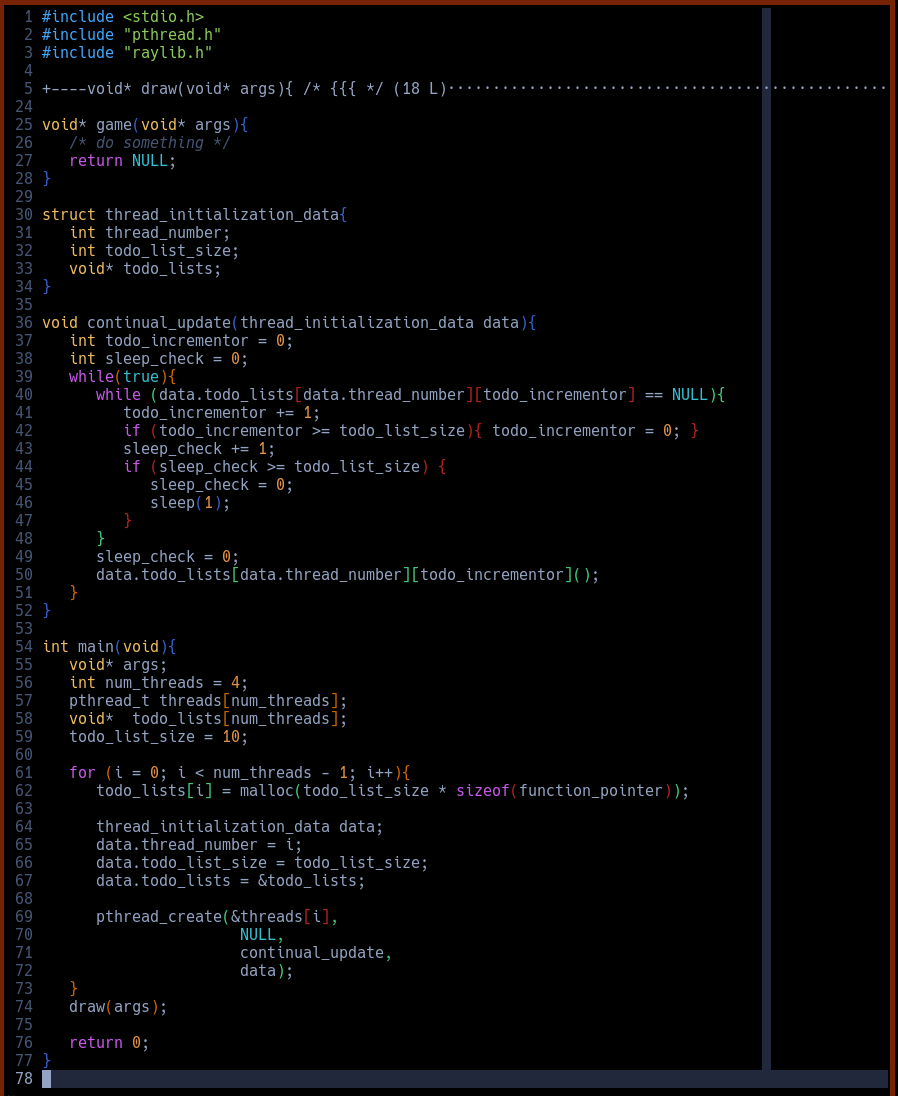
  The design is simple: Have an array of function pointers that need to be
  assigned to a thread. Then, have a manager thread read through that array, and
  for every non-zero value put it into a thread-specific array. Those threads
  will read through their personal  array and execute whichever function is
  pointed to by the function pointer placed in their todo-list by the manager
  function.

  ... I'm too stupid to make it happen though. Writing code is hard.
┌─────────┐                                                            ┌───────────┐
│ similar │                       chronological                        │ different │
╘═════════╧═════════════════════════════════════───────────────────────┴───────────┘
 -> file: messages/129
═════════════════════════════════════════───────────────────────────────────────────
  So you're telling me the speed difference between Python and C is due not to
  the logic that the programmer uses, but rather the optimization capabilities of
  the compiler?

  (An interpreter includes a compiler, it just runs it in a loop rather than a
  single pass)
┌─────────┐                                                            ┌───────────┐
│ similar │                       chronological                        │ different │
╘═════════╧══════════════════════════════──────────────────────────────┴───────────┘
 -> file: fediverse/3787
═══════════════════════════════════════════════════─────────────────────────────────
  arithmatic control flow

  If A, then B. Else C

┌─────────┐                                                            ┌───────────┐
│ similar │                       chronological                        │ different │
╘═════════╧════════════════════════════════════════────────────────────┴───────────┘
 -> file: fediverse/5070
════════════════════════════════════════════════════════════────────────────────────
  main() is where you put stuff before you abstract it into a function. Usually
  it gets quite long, but it's mostly just a table-of-contents listing of all the
  other functions that are run in order to do this-or-that-or-the-other.

  --

  I wonder if you could generate RNG by hooking up a camera to a lava-lamp and
  scanning through the pixels or whatever
┌─────────┐                                                            ┌───────────┐
│ similar │                       chronological                        │ different │
╘═════════╧═════════════════════════════════════════════════───────────┴───────────┘
 -> file: fediverse/1634
═══════════════════════════════════════════════─────────────────────────────────────
  hello I'd like a computer that has multiple CPUs, each with shared data and
  separate data. I feel like I could run a lot of cool tests on them, especially
  when not connected to the internet or running a proprietary operating system
  like not-BSD
┌─────────┐                                                            ┌───────────┐
│ similar │                       chronological                        │ different │
╘═════════╧════════════════════════════════════────────────────────────┴───────────┘
 -> file: fediverse/4802
═════════════════════════════════════════════════════════───────────────────────────
  ┌────────────────────────────┐
  │ CW: re: politics-mentioned │
  └────────────────────────────┘


  only to be executed upon should a general strike be left unresolved by the
  powerful

  a list of demands, made actionable in the same way that theirs are destructive.

  same format.

  different results.
┌─────────┐                                                            ┌───────────┐
│ similar │                       chronological                        │ different │
╘═════════╧══════════════════════════════════════════════──────────────┴───────────┘
 -> file: fediverse/4966
═══════════════════════════════════════════════════════════─────────────────────────
  take time with your preparation, and act swiftly in execution. There are only
  so many days in the final hours, but there's still a few yet more.
┌─────────┐                                                            ┌───────────┐
│ similar │                       chronological                        │ different │
╘═════════╧════════════════════════════════════════════════────────────┴───────────┘
 -> file: fediverse/7
══════════════════════════════──────────────────────────────────────────────────────
  virtual machines are objectively interesting

  https://gameprogrammingpatterns.com/bytecode.html
┌─────────┐                                                            ┌───────────┐
│ similar │                       chronological                        │ different │
╘═════════╧═══════════════════─────────────────────────────────────────┴───────────┘
 -> file: fediverse/5637
═══════════════════════════════════════════════════════════════─────────────────────
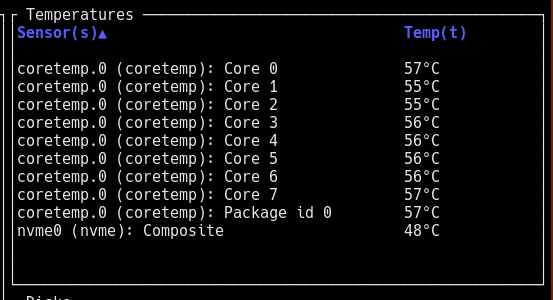
  a program's heartbeat is the alternating "heated up processor" spikes and the
  "low temp processor"

  [drawing a sine wave with such a tool would enable the viewer to combine
  infinitely many decision-matrix-trees. Each of which
  co-operatively-co-determine the nature of the entity which percieves. indeed
  the combination of many such waves could fourier transform to a lower
  resolution (but still locally computationorted) waveform would still enable the
  application of that which is stored in storage]

  "ohhhhh strange square brackets are computer"
┌─────────┐                                                            ┌───────────┐
│ similar │                       chronological                        │ different │
╘═════════╧════════════════════════════════════════════════════────────┴───────────┘
 -> file: fediverse/4118
═════════════════════════════════════════════════════───────────────────────────────
  all modern software should be written in a multithreaded way, change my mind
┌─────────┐                                                            ┌───────────┐
│ similar │                       chronological                        │ different │
╘═════════╧══════════════════════════════════════════──────────────────┴───────────┘
 -> file: fediverse/2484
╔═══════════════════════════════════════════════───────────────────────────────────┐
║ @user-1271                                                                       │
║                                                                                  │
║ I can help with that.                                                            │
║                                                                                  │
║ I recommend looking at Ollama, which runs an HTTP server on your local machine   │
║ (hope you have a decent graphics card)                                           │
║                                                                                  │
║ then, script some behavior you'd like to implement using Lua and the LuaSockets  │
║ library. Also dkjson to handle the json parts.                                   │
║                                                                                  │
║ then, all you have to do is construct a prompt based on the variables and        │
║ desired input/output and push it into a json packet and send it to the HTTP      │
║ server. It's less complicated than it sounds.                                    │
║                                                                                  │
║ what you want it to do and your implementation for it is the hard part. But      │
║ perhaps this project of mine will get you started:                               │
║                                                                                  │
║ (I can copy-paste it too if you'd like)                                          │
║                                                                                  │
║ just... don't make a chatbot. chatbots are useless to work on because there's    │
║ already so many of them.                                                         │
║                                                                                  │
║ much better I think to use the LLM to process arbitrary information with an      │
║ unpredictable form into more predictable patterns which can be utilized          │
║ programmatically.                                                                │
║                                                                                  │
║ Feel free to ask any questions. Do keep in mind that training LLMs is            │
║ unethical, but using them is whatever.                                           │

╠═════════╗                                                            ┌───────────┤
║ similar ║                       chronological                        │ different │
╚═════════╩════════════════════════════════════────────────────────────┴───────────┘
 -> file: fediverse/5229
╔════════════════════════════════════════════════════════════──────────────────────┐
║ what if programs just checked the current state of the program against their     │
║ past memory of it every time their looping functions got to the end of a new     │
║ kind of while loop which checked the previous state of all the variables in the  │
║ system as compared to the arguments of the function that is called by the new    │
║ kind of while loop which look exactly the same as the last memory of the         │
║ program. Okay. Let's write it to RAM and then start working on the next one.     │
║ Once we run out of space or the operating system needs more, we can relinquish   │
║ the oldest ones. The idea is to store state after all which could be             │
║ programmatically checked to make sure it didn't change underneath our feet.      │
║ Then you pretty much wouldn't need to worry about buffer overflows or            │
║ cybersecurity incidents at all...                                                │
║                                                                                  │
║ after all, it's only read only. what's the harm in reading our tax               │
║ documentation?                                                                   │
║                                                                                  │
║ anyway, something about functional programming languages like lisp passing the   │
║ entire state of the program to each recursion...if you use that kind...          │
╠═════════╗                                                            ┌───────────┤
║ similar ║                       chronological                        │ different │
╚═════════╩═════════════════════════════════════════════════───────────┴───────────┘
 -> file: fediverse/404
════════════════════════════════════════────────────────────────────────────────────
  a preprocessor directive that tells the compiler to ignore all warnings on the
  next line
┌─────────┐                                                            ┌───────────┐
│ similar │                       chronological                        │ different │
╘═════════╧═════════════════════════════───────────────────────────────┴───────────┘
 -> file: fediverse/3792
═══════════════════════════════════════════════════─────────────────────────────────
  If you have a thousand options in your case / switch statement, you should
  probably refactor.

  consider putting function pointers (to the things you would have switched to)
  in an array and instead of checking "if this enum, then this, if that enum,
  then that" etc send an index into the function pointer array. That way there's
  no branching at all.

  The best way to generate performant code is to reduce or eliminate branches. If
  you're working on a video game or networked program, this can be incredibly
  important.

  The second best way is probably reducing cache misses and increasing
  parallelism, but those are different problems.
┌─────────┐                                                            ┌───────────┐
│ similar │                       chronological                        │ different │
╘═════════╧════════════════════════════════════════────────────────────┴───────────┘
 -> file: fediverse/5839
══════════════════════════════════════════════════════════════════──────────────────
  @user-1074

  good code isn't always easily read. sometimes the architecture is more
  important.
┌─────────┐                                                            ┌───────────┐
│ similar │                       chronological                        │ different │
╘═════════╧═══════════════════════════════════════════════════════─────┴───────────┘
 -> file: fediverse/1228
═══════════════════════════════════════════─────────────────────────────────────────
  @user-883

  I love your chaotic energy in this shell script
┌─────────┐                                                            ┌───────────┐
│ similar │                       chronological                        │ different │
╘═════════╧════════════════════════════════────────────────────────────┴───────────┘
 -> file: fediverse/6383
══════════════════════════════════════════════════════════════════════──────────────
  nobody wants to write computer code that lets Java programs call Rust functions.
  An LLM is excellent for this task, since it's relatively easy busy work that
  doesn't
  reflect any meaningful implementation decisions besides "I should be able to
  call that Rust function in my Java code"

  In addition, it is technically efficient at it as well, because most of
  compatibility
  is matching up two sets of documentation. Easy for a text-processing machine.
┌─────────┐                                                            ┌───────────┐
│ similar │                       chronological                        │ different │
╘═════════╧═══════════════════════════════════════════════════════════─┴───────────┘
 -> file: fediverse/4900
═════════════════════════════════════════════════════════───────────────────────────
  if you wanna trick systems administrators just put a bunch of sleeps in your
  code so your computer programs don't use up all the mainframe's resources all
  at once

  [statements dreamed up by the practically deranged]
┌─────────┐                                                            ┌───────────┐
│ similar │                       chronological                        │ different │
╘═════════╧══════════════════════════════════════════════──────────────┴───────────┘
 -> file: fediverse/653
═════════════════════════════════════════───────────────────────────────────────────
  there's a difference between *designing software* and *using software*. Some
  things can be made, and then saved for another day when their implementations
  may be accomplished more ethically. It's okay to say "let's leave this as
  'okay' and work on the next thing we've chosen."

  Check out this piece of C code I wrote last night:

  it doesn't compile, it's not finished, but I wrote it as-is

  [pretend like it was called "main.c" instead of "main.txt" - had to change it
  because mastodon thinks it's an invalid file]

  [actually .txt didn't work, try .png]

  [hmmm it realized it wasn't a valid png file, okay try screenshotting the code,
  there's only 300 lines]

  [sure glad there's only 300 lines]

  [too bad it won't let you send .zip]

  [won't let me name it main.png, presumably because they already have a
  failed-verified version on their machine. will rename to main-src.png instead]

┌─────────┐                                                            ┌───────────┐
│ similar │                       chronological                        │ different │
╘═════════╧══════════════════════════════──────────────────────────────┴───────────┘
 -> file: fediverse/6348
═════════════════════════════════════════════════════════════════════───────────────
  here's a neat function

┌─────────┐                                                            ┌───────────┐
│ similar │                       chronological                        │ different │
╘═════════╧══════════════════════════════════════════════════════════──┴───────────┘
 -> file: fediverse/5113
════════════════════════════════════════════════════════════────────────────────────
  any game with the ability to interact with the simulation through command line
  arguments is a game that is scriptable and infinitely expandable.
┌─────────┐                                                            ┌───────────┐
│ similar │                       chronological                        │ different │
╘═════════╧═════════════════════════════════════════════════───────────┴───────────┘
 -> file: fediverse/1892
═══════════════════════════════════════════════─────────────────────────────────────
  ┌─────────────────────────────────────────┐
  │ CW: C-programming-and-alcohol-mentioned │
  └─────────────────────────────────────────┘


  I want to write C programs with threads and manual memory management and
  function pointers and lots and lots of arrays and I'm not even kidding

  ... wait a minute I literally don't have a job, why am I not writing C programs
  right now?

  BRB I got something important to do, where's my vodka --> pkill firefox
┌─────────┐                                                            ┌───────────┐
│ similar │                       chronological                        │ different │
╘═════════╧════════════════════════════════════────────────────────────┴───────────┘
 -> file: fediverse/4523
══════════════════════════════════════════════════════──────────────────────────────
  If anyone has need of an easy-to-use distributed computing programming
  language, or if you're interested in easy-to-implement GPU computing for
  parallelizing large amounts of simple tasks, check out the Chapel programming
  language.
┌─────────┐                                                            ┌───────────┐
│ similar │                       chronological                        │ different │
╘═════════╧═══════════════════════════════════════════─────────────────┴───────────┘
 -> file: fediverse/3577
══════════════════════════════════════════════════──────────────────────────────────
  ┌─────────────────────────┐
  │ CW: computers-mentioned │
  └─────────────────────────┘


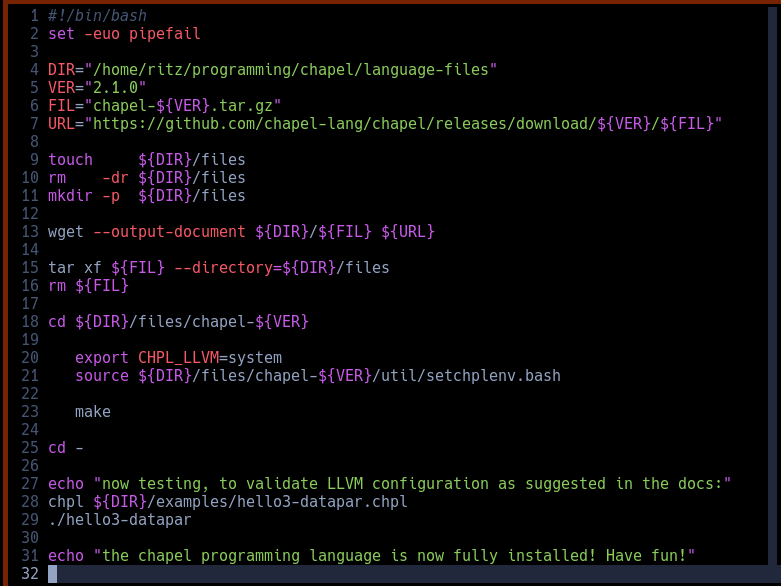
  I love writing installation scripts like this!

  If you want to install something on Linux but you have difficulty, talk to me
  and I'll write you a script like this. I might even make it fancier.

  This one installs a programming language that is useful for *parallel
  computing* across *multiple clusters of computers* which could be useful if you
  want to leverage *multiple CPUs and GPUs with ease* to compute tasks which are
  far beyond a normal computer.

  https://chapel-lang.org/download.html
┌─────────┐                                                            ┌───────────┐
│ similar │                       chronological                        │ different │
╘═════════╧═══════════════════════════════════════─────────────────────┴───────────┘
 -> file: fediverse/1773
═══════════════════════════════════════════════─────────────────────────────────────
  ┌─────────────────────────┐
  │ CW: programming-is-easy │
  └─────────────────────────┘


  Need to install a program from Github? Follow these simple steps:

  step 1: make an empty text file

  step 2: put this at the top: #!/bin/bash

  step 3: put this on the next line: set -euo pipefail

  step 4: mkdir -p the directory you want to install it to

  step 5: rm -dr the directory you want to install it to

  step 6: mkdir -p the directory you want to install it to

  step 7: git clone the project

  step 8: this is the hard part - go through each of the steps listed in the
  readme and configure the installation to the needs of your system. Put them in
  the bash script one-by-one.

  step 9: save the file, it doesn't need an extension like .txt or .sh,
  extensions are for windows noobs

  step 10: chmod +x the file and then ./the file!

  step 11: fix it when they change their installation instructions...

  Need a run script? Easy! Write it as a function below your update script, then
  echo the bottom half of the update script into a file named "run" that's placed
  in the project directory.
┌─────────┐                                                            ┌───────────┐
│ similar │                       chronological                        │ different │
╘═════════╧════════════════════════════════════────────────────────────┴───────────┘
 -> file: fediverse/1320
═══════════════════════════════════════════─────────────────────────────────────────
  ┌───────────────────────────────────────────────────────┐
  │ CW: cursing-mentioned-programming-languages-mentioned │
  └───────────────────────────────────────────────────────┘


  BASH with the syntax/semantics of LUA and the performance of C would probably
  be the perfect language, IMHO

  procrastinating again, damnit
┌─────────┐                                                            ┌───────────┐
│ similar │                       chronological                        │ different │
╘═════════╧════════════════════════════════────────────────────────────┴───────────┘
 -> file: fediverse/3271
══════════════════════════════════════════════════──────────────────────────────────
  the reason they want you to use launchers for your games is that way they can
  control the way that you launch the executable. smh
  >.>
┌─────────┐                                                            ┌───────────┐
│ similar │                       chronological                        │ different │
╘═════════╧═══════════════════════════════════════─────────────────────┴───────────┘
 -> file: fediverse/2859
═════════════════════════════════════════════════───────────────────────────────────
  ┌───────────────────────┐
  │ CW: cursing-mentioned │
  └───────────────────────┘


  large corporations will often error check *constantly* which slows down their
  software to an immense degree.

  every time data passes from one function to another, there's like... 15
  different tests to check if it's this type or that, or in the right random seed

  and it's like... wow can you not, like. design your software intelligently and
  then you won't need a bunch of slow-ass if checks every time you want to update
  a string???

  software should be writable without fucking getters and setters. If it isn't,
  then your functions aren't complete.
┌─────────┐                                                            ┌───────────┐
│ similar │                       chronological                        │ different │
╘═════════╧══════════════════════════════════════──────────────────────┴───────────┘
 -> file: fediverse/3800
═══════════════════════════════════════════════════─────────────────────────────────
  @user-1352

  You're absolutely right, the compiler knows better than me! Certainly the
  compiler doesn't know *best*, but certainly the compiler knows *better than me*.
┌─────────┐                                                            ┌───────────┐
│ similar │                       chronological                        │ different │
╘═════════╧════════════════════════════════════════────────────────────┴───────────┘
 -> file: fediverse/1696
═══════════════════════════════════════════════─────────────────────────────────────
  smartphone_max_battery_life = int_to_percent(100 - update_count);
┌─────────┐                                                            ┌───────────┐
│ similar │                       chronological                        │ different │
╘═════════╧════════════════════════════════════────────────────────────┴───────────┘
 -> file: fediverse/572
═════════════════════════════════════════───────────────────────────────────────────
  Hi, I'm learning about semaphores right now and trying to explain them to a
  friend. But I only sorta understand how they work - can anyone look at this
  pseudocode and tell me if I'm on the right track?
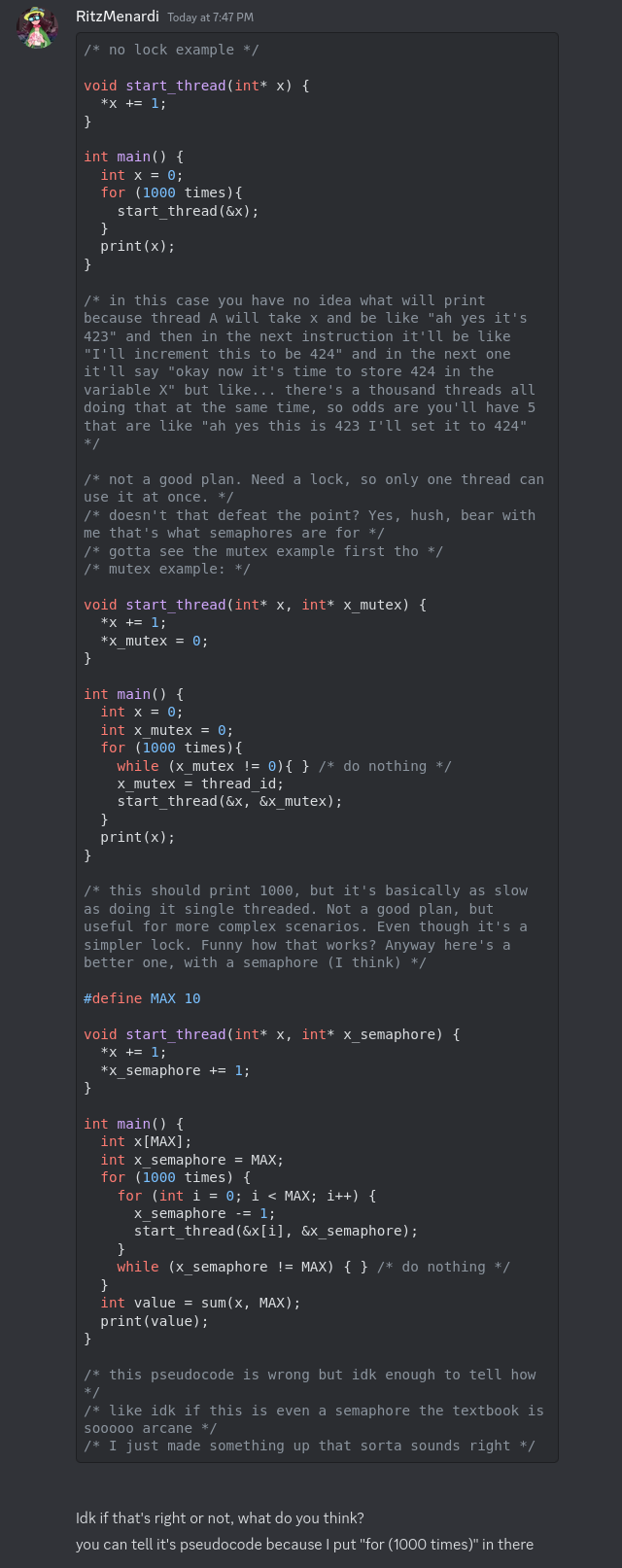
┌─────────┐                                                            ┌───────────┐
│ similar │                       chronological                        │ different │
╘═════════╧══════════════════════════════──────────────────────────────┴───────────┘
 -> file: fediverse/5487
╔═════════════════════════════════════════════════════════════─────────────────────┐
║ if I click a .exe link on a website, it should just...                           │
║                                                                                  │
║ automatically download the file and open it up in wine or the                    │
║ whatever-windows-uses.                                                           │
║                                                                                  │
║ why is it cumbersome literally just, let me download the source-code repository  │
║ to someone's computer and let them compile it themselves without even thinking   │
║ about it                                                                         │
║                                                                                  │
║ "you mean like, package manager hooks into a website?"                           │
║                                                                                  │
║ yes, but, instead of implemented one-by-one, it should use a protocol so each    │
║ package manager only has to implement the downloading scheme *once* and it'd be  │
║ able to read from any locations that output the correct API calls or whatever.   │
║                                                                                  │
║ the developer could even do it themselves. such is the joy of open-source        │
║ computing - if you like a service or product, you can make it work with your     │
║ own. What else is there to work on but the ultimate computing product?           │
║                                                                                  │
║ aka... everything that anyone's ever been known?                                 │
║                                                                                  │
║ "girl you are loco what's your plan for the fight you continue to demand"        │
║                                                                                  │
║ oh idk um probably just wait until someone asks me to speak                      │
║                                                                                  │
║ "do that~"                                                                       │
╠═════════╗                                                            ┌───────────┤
║ similar ║                       chronological                        │ different │
╚═════════╩══════════════════════════════════════════════════──────────┴───────────┘
 -> file: fediverse/5944
═══════════════════════════════════════════════════════════════════─────────────────
  I swear, Lua has the worst manual out there.

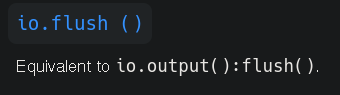
  I was looking for a definition of this function called io.flush(). Here's what
  I found: [picture 1]:`**io.flush ()**

  Equivalent to io.output():flush().
  `

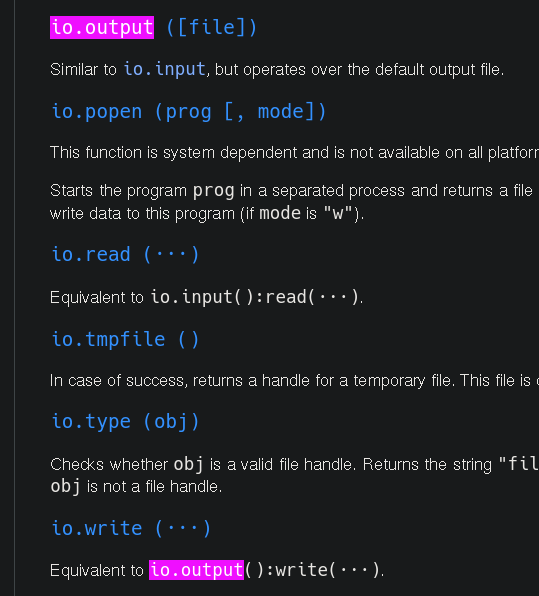
  okay, so what's io.output():flush()? [one result found] and it's the thing I
  just found. great.

  okay, so how about io.output()? [third picture]:`**io.output ([file])**

  Similar to io.input, but operates over the default output file.
  `

  and`**io.write (···)**

  Equivalent to io.output():write(···).
  `

  I know the text is blue, but it's not clickable. It's just text, not a
  hyperlink to more comprehensive documentation.

  There's also file:flush(), but that doesn't seem relevant to what I'm looking
  for, because I'm working with lines and not files:`**file:flush ()**

  Saves any written data to file.
  `

  there are no more references to flushing, nor outputting of input nor output.
  this manual sucks.

  ah, well, back to vibe coding I go.

  EDIT: at least it's all on one page.

┌─────────┐                                                            ┌───────────┐
│ similar │                       chronological                        │ different │
╘═════════╧════════════════════════════════════════════════════════────┴───────────┘
 -> file: fediverse/1762
═══════════════════════════════════════════════─────────────────────────────────────
  This was the first bash script I ever wrote.

  It's been updated a little, it was a bash alias first, but this is what it
  looks like now.

  Kinda shows what kinds of problems I needed to solve most.
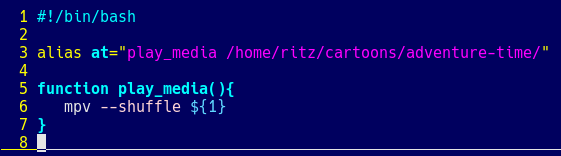
┌─────────┐                                                            ┌───────────┐
│ similar │                       chronological                        │ different │
╘═════════╧════════════════════════════════════────────────────────────┴───────────┘
 -> file: fediverse/633
═════════════════════════════════════════───────────────────────────────────────────
  @user-192

  the neat thing about BASH is that it's the glue that holds all your other code
  together. Write libraries in C and call them with BASH - accomplish broader
  tasks that are easier to co-create. That's why I like it - it's not the most
  important, but it's quite beneficial I think _^
┌─────────┐                                                            ┌───────────┐
│ similar │                       chronological                        │ different │
╘═════════╧══════════════════════════════──────────────────────────────┴───────────┘
 -> file: bluesky/21
══════════════════════════════════════════════════════════──────────────────────────
  the main product that github offers is the assurance that the code displayed on
  your monitor is the same as the one running on your computer.
┌─────────┐                                                            ┌───────────┐
│ similar │                       chronological                        │ different │
╘═════════╧═══════════════════════════════════════════════─────────────┴───────────┘
 -> file: fediverse/5189
════════════════════════════════════════════════════════════────────────────────────
  computer programming essentially boils down to putting the right values into
  the right datastructures at the right time and in the right order.

  If you count a function call as a datastructure, which I do, because I have
  opinions.
┌─────────┐                                                            ┌───────────┐
│ similar │                       chronological                        │ different │
╘═════════╧═════════════════════════════════════════════════───────────┴───────────┘
 -> file: fediverse/658
═════════════════════════════════════════───────────────────────────────────────────
  posts and replies: the superior way to view a performance
┌─────────┐                                                            ┌───────────┐
│ similar │                       chronological                        │ different │
╘═════════╧══════════════════════════════──────────────────────────────┴───────────┘
|