 -> file: fediverse/46
═════════════════════════════════───────────────────────────────────────────────────
  @user-36 neat thanks

  when I said 1-1 = 1/10 I meant 1/1 in decimal except the denominator is in base
  1 meaning it's represented as 10 (since 10 in base 1 equals 1 in base 10. Or
  pretty much any other base.)

  I'm trying to figure out why 00 is undefined. There's a lot of math notation in
  that wikipedia article and I'm working through it bit by bit... I feel like
  there's a bug in the code of the universe and I'm trying to understand it.
  Like... why is dividing by zero undefined? That seems like a bug to me.
┌─────────┐                                                            ┌───────────┐
│ similar │                       chronological                        │ different │
╘═════════╧══════════════════════──────────────────────────────────────┴───────────┘
 -> file: fediverse/39
═════════════════════════════════───────────────────────────────────────────────────
  @user-36 That makes sense to me. I'll have to think about how to generalize
  that, hmmmm... It would only work for numbers that have even square roots right?
┌─────────┐                                                            ┌───────────┐
│ similar │                       chronological                        │ different │
╘═════════╧══════════════════════──────────────────────────────────────┴───────────┘
 -> file: fediverse/2357
════════════════════════════════════════════════────────────────────────────────────
  @user-1245

  I disagree. What if we did not learn to count numerically, but instead viewed
  all values as percentages between 0 and 1? Essentially, as a magnitude between
  empty and full.

  That would radically redefine our mathematics, and it's just one simple change,
  one tweak, and suddenly negative numbers are just out of reach.
┌─────────┐                                                            ┌───────────┐
│ similar │                       chronological                        │ different │
╘═════════╧═════════════════════════════════════───────────────────────┴───────────┘
 -> file: fediverse/43
═════════════════════════════════───────────────────────────────────────────────────
  @user-36 now base zero is interesting because it means there's NO BUCKETS AT
  ALL, which means that any numbers you try to stuff nowhere don't overflow to
  anywhere. Meaning each number is it's atomic value, and represented with a
  different character. So 0, 1, 2, 3, 4, 5, 6, 7, 8, 9, A, B, C, D, E, F, G, H,
  I, etc etc until we run out of symbols, in which case we'd need to start making
  more.
┌─────────┐                                                            ┌───────────┐
│ similar │                       chronological                        │ different │
╘═════════╧══════════════════════──────────────────────────────────────┴───────────┘
 -> file: fediverse/227
═══════════════════════════════════════─────────────────────────────────────────────
  ┌─────────────────────────────────────┐
  │ CW: mathematics-and-socio-economics │
  └─────────────────────────────────────┘


  humans are notoriously bad at large scales. tack a couple zero's onto the end
  and it increases in value to them as much as if you had given them two.
  10+1010. but hey it's all 10's right?

  I think we severely overestimate the number of bad people in the world. I'm
  basing that on nothing but my feelings. I think people generally are just doing
  the best they can. that's what happens when you're oppressed in a livable way.
  in a time of peace you can be merry, but these days it's always been war. what
  can you do if your government disagrees with you?

  hey, what's the 10th root of 10? 0.1? dang that's so close to zero. I wonder if
  there's a calculation we can make that would end on a zero, but be unable to
  return? is that what dividing by zero is? just... casting it into the void?
  sure would make a lot of calculations easier if we could just return NULL
┌─────────┐                                                            ┌───────────┐
│ similar │                       chronological                        │ different │
╘═════════╧════════════════════════════────────────────────────────────┴───────────┘
 -> file: messages/141
═════════════════════════════════════════───────────────────────────────────────────
  Why would we say not to divide by zero? We literally do it every time we use
  the percent sign smh [silly]
┌─────────┐                                                            ┌───────────┐
│ similar │                       chronological                        │ different │
╘═════════╧══════════════════════════════──────────────────────────────┴───────────┘
 -> file: fediverse/37
═════════════════════════════════───────────────────────────────────────────────────
  This would normally just be a weird way to divide except it allows you to
  divide by zero, which is kinda cool.
┌─────────┐                                                            ┌───────────┐
│ similar │                       chronological                        │ different │
╘═════════╧══════════════════════──────────────────────────────────────┴───────────┘
 -> file: fediverse/41
═════════════════════════════════───────────────────────────────────────────────────
  @user-36 As a thought experiment, what do you think happens using this system
  to divide by 1? What about dividing by 0? Curious to see what you think
┌─────────┐                                                            ┌───────────┐
│ similar │                       chronological                        │ different │
╘═════════╧══════════════════════──────────────────────────────────────┴───────────┘
 -> file: fediverse/36
═════════════════════════════════───────────────────────────────────────────────────
  consider:

  x = 13 / 3, what is x?

  step 1: translate 13 into base 3
  step 2: digit shift once to the right
  step 3: store underflow as remainder
  step 3: translate back to base 10

  x is 4 remainder 1
┌─────────┐                                                            ┌───────────┐
│ similar │                       chronological                        │ different │
╘═════════╧══════════════════════──────────────────────────────────────┴───────────┘
 -> file: fediverse/3326
══════════════════════════════════════════════════──────────────────────────────────
  @user-246

  It's interesting to me that we can divide by infinity, but not zero. I feel
  like it's true that dividing by zero would equal infinity (or maybe zero too
  lol) but I don't know how to prove it T.T
┌─────────┐                                                            ┌───────────┐
│ similar │                       chronological                        │ different │
╘═════════╧═══════════════════════════════════════─────────────────────┴───────────┘
 -> file: fediverse/2210
════════════════════════════════════════════════────────────────────────────────────
  @user-246

  One of those is a symbolic manipulation, the other is arithmetical. And
  symbolic manipulations are limited only by the symbols you use to express them,
  while arithmetic is grounded in logic.
┌─────────┐                                                            ┌───────────┐
│ similar │                       chronological                        │ different │
╘═════════╧═════════════════════════════════════───────────────────────┴───────────┘
 -> file: fediverse/346
════════════════════════════════════════────────────────────────────────────────────
  @user-246 or is it 010010 which == 18 in binary?
┌─────────┐                                                            ┌───────────┐
│ similar │                       chronological                        │ different │
╘═════════╧═════════════════════════════───────────────────────────────┴───────────┘
 -> file: fediverse/38
═════════════════════════════════───────────────────────────────────────────────────
  @user-36 ideally you'd convert to an arbitrary base (in this case 9) and shift
  from there, but shifting two places might work. idk I haven't thought about it.
┌─────────┐                                                            ┌───────────┐
│ similar │                       chronological                        │ different │
╘═════════╧══════════════════════──────────────────────────────────────┴───────────┘
 -> file: fediverse/701
═════════════════════════════════════════───────────────────────────────────────────
  ┌──────────────────────┐
  │ CW: computer-code    │
  └──────────────────────┘


  totally useless unless you're, I dunno, building a bytecode interpreter or
  something

  https://craftinginterpreters.com/contents.html

┌─────────┐                                                            ┌───────────┐
│ similar │                       chronological                        │ different │
╘═════════╧══════════════════════════════──────────────────────────────┴───────────┘
 -> file: messages/711
════════════════════════════════════════════════════════────────────────────────────
  https://www.desmos.com/calculator/cxayticajg
┌─────────┐                                                            ┌───────────┐
│ similar │                       chronological                        │ different │
╘═════════╧═════════════════════════════════════════════───────────────┴───────────┘
 -> file: fediverse/45
═════════════════════════════════───────────────────────────────────────────────────
  @user-36 Question - how do you do those cool superscript and subscript
  notations?

  Also: I don't think base 1 falls apart with negative exponents, for example
  consider 1^-1 ----- it would evaluate to 1/10 in this system, which is not 1/1.
  Another example, 1^-3 would evaluate to 1/1110, which seems accurate to me.

  As for 0^0, I guess I think it does equal 1? Bear with me:

  for any number n raised to an exponent e, you can write it like this:

  1 * n * n * n ... with as many "* n"s as you have n's. for example:

  1 * 3 * 3 * 3 = 9
  or
  1 * 5 * 5 * 5 * 5 * 5 = 625

  in each case there's 3 or 5 instances of "* n" tacked onto the end. I don't
  know the math notation for that.

  now, when you raise something to the power of zero, it looks like this:

  1

  because there's zero "* n"s added to the end.

  For negative exponents of course you divide instead of multiply, which is why
  it ends up looking like a fraction.

  So, it makes sense to me that 0 ^ 0 would equal 1, because it'd look like this:

  1

  while 0^1 would be

  1 * 0
┌─────────┐                                                            ┌───────────┐
│ similar │                       chronological                        │ different │
╘═════════╧══════════════════════──────────────────────────────────────┴───────────┘
 -> file: fediverse/4637
═══════════════════════════════════════════════════════─────────────────────────────
  "the difference between a million and a billion is about a billion"
┌─────────┐                                                            ┌───────────┐
│ similar │                       chronological                        │ different │
╘═════════╧════════════════════════════════════════════────────────────┴───────────┘
 -> file: messages/1545
══════════════════════════════════════════════════════════════════════════════──────
  1 is just (number-waves equation for 1)
┌─────────┐                                                            ┌───────────┐
│ similar │                       chronological                        │ different │
╘═════════╧════════════════════════════════════════════════════════════╧══════─────┘
 -> file: fediverse/128
══════════════════════════════════════──────────────────────────────────────────────
  @user-95 I'm not sure, but I once tried to design an algorithm that predicted
  prime numbers. I made this algorithm in my pursuit, but I couldn't figure out
  how to utilize it:

  https://www.desmos.com/calculator/h8oopoctnh
┌─────────┐                                                            ┌───────────┐
│ similar │                       chronological                        │ different │
╘═════════╧═══════════════════════════─────────────────────────────────┴───────────┘
 -> file: notes/division-by-zero
══════════════════════════════════──────────────────────────────────────────────────
  --{{{ introduction
     When division is explained at the elementary arithmetic level, it is often
     considered as splitting a set of objects into equal parts. As an example,
     consider having ten cookies, and these cookies are to be distributed equally
     to five people at a table. Each person would receive 10 / 5 = 2  cookies.
     Similarly, if there are ten cookies, and only one person at the table, that
     person would receive 10 / 1 = 10  cookies.

     So, for dividing by zero, what is the number of cookies that each person
     receives when 10 cookies are evenly distributed among 0 people at a table?
     Certain words can be pinpointed in the question to highlight the problem. The
     problem with this question is the "when". There is no way to distribute 10
     cookies to nobody. Therefore, 10 / 0 —at least in elementary arithmetic—is
     said to be either meaningless or undefined.

  - wikipedia, division by zero, 7-12-23

     alright I have several problems with this. I like the idea of dividing
  cookies, but I disagree with their conclusions. So dividing by integers works as
  they say, but division by zero is a little different - they say "the problem
  with this question is 'when'" when in reality 'when' is the same for this
  question as it is for any of the others. Obviously, zero is just a number. Why
  would this be any different? The computational actions necessary to complete
  this statement all occur at the same time, because they are by definition
  immutable. You cannot change any equation, you only generate new ones.

  Okay so here's my thinking. To answer the question "what is the number of
  cookies that each person receives when 10 cookies are evenly distributed among 0
  people at a table?" we simply have to answer the question. "How many cookies do
  I get?" well, none, because you weren't at the table. In fact nobody was at the
  table, so the result is that nobody got zero cookies.

  You might even say you have a remainder of 10 cookies, as none of them were
  distributed.

  10 / 0 = 0 remainder 10

  ^^^ that's how I think it should be. I have an algorithmic justification, and
  excuse me as I don't have a mathematical proof or anything. Math was never my
  strong suit, there's too many symbols and strange names for obvious operations
  that get in the way of the abstract big picture.

  ahem...

  abstract:

  Given: x = 13 / 3 what is x?

  step 1: convert 13 to base 3
  step 2: digit shift right by 1
  step 3: convert back to binary
  --}}}

  --{{{ step 1:
                                  v
  start with the binary number 1101 which is 13 in decimal. To convert to a base 3
  number,                          \___________________.
         \                                             |
          first start with the Least Significant Bit (LSB) which is 1. So our
          base-3 number starts with 0001.

                                v
  Next, move to the next bit: 1101
                                ^-----It's a zero so we can skip it.
  Which means our
  base 3 number remains unchanged as "0001"
                                v
  Next, move to the third bit: 1101
                                ^-----It's a 1, which evaluates to 4 in decimal,
                                      meaning we should add 4 to our base 3 number

                                                base 3
     4 in base 3 is "11", which means we         0001 <----- 1 in decimal
   should have a base 3 number of "12" now.     +0011 <----- 4 in decimal
                                                =0012 <----- 5 in decimal
                                                     \_________ 2? -> yes, base 3
                                                                      remember?
  Next, move to the fourth and final bit: 1101
                                          ^ --it's a 1, which evaluates to 8 in
        0012-----.____________                   decimal. 8 in decimal is "22" in
       +0022-----.            \                        base 3, which means we
       need to
       =0111      \            T---- add "22" and "12" in base 3
                   \__________/                        to get our final number of
                                                       13. Which should evaluate
  step 2:                                              to 0111 in base 3.
            .____.
  bit shift |0111| to the right,
            |>>>>|
            |0011|--->1 underflow
            .----.

  meaning the base 3 number is now 0011 with an underflow (remainder) of 1

  step 3:

  convert back to binary, meaning 0011 in base-3 becomes 4 in decimal or 0100 in
  binary. Store the underflow as the remainder.

  ================================================================================

  okay that's great and all, but what does this have to do with dividing by zero?

  great question, me. I have two questions I want to pose to you:

  1. what happens when trying to divide by 1 with this algorithm?
     - you convert to base 1
                            \
                             wait hang on base 1? Sounds made up... Well, its not!
                             or at least if it is, then I'm the one who made it up
                             so... yeah
                             |
  okayyy how does base 1 work?
                              \
                               glad you asked.

  --}}}

  --{{{ bases
  --}}}

  --{{{ decimal (base 10)
  --}}}

  --{{{ binary  (base 2)
  --}}}

  --{{{ digit shifting
  --}}}

  --{{{ bases higher than 2 and not 10
  --}}}

  --{{{ base 1? base 0?
  --}}}
┌─────────┐                                                            ┌───────────┐
│ similar │                       chronological                        │ different │
╘═════════╧═══════════════════════─────────────────────────────────────┴───────────┘
 -> file: fediverse/40
═════════════════════════════════───────────────────────────────────────────────────
  @user-36 so what you're saying is I need to come up with an easier way to
  change bases? Or at least a way to digit shift in a different base than what
  you currently have. Sounds complicated.
┌─────────┐                                                            ┌───────────┐
│ similar │                       chronological                        │ different │
╘═════════╧══════════════════════──────────────────────────────────────┴───────────┘
 -> file: fediverse/286
═══════════════════════════════════════─────────────────────────────────────────────
  ┌──────────────────────┐
  │ CW: re: mathematics  │
  └──────────────────────┘


  @user-211 I agree! The problem is the limit as x->0 from the left and right
  trend toward different infinities, meaning it's neither -infinity nor
  +infinity. Which makes me think that it's the value that's exactly in the
  middle, AKA zero.

  Why wouldn't 1/0 be zero? Division is just inverse-multiplication, and
  multiplying anything by zero is zero. Why wouldn't division use the same rules?
  I don't understaaaaaand T.T
┌─────────┐                                                            ┌───────────┐
│ similar │                       chronological                        │ different │
╘═════════╧════════════════════════════────────────────────────────────┴───────────┘
 -> file: fediverse/302
═══════════════════════════════════════─────────────────────────────────────────────
  ┌──────────────────────┐
  │ CW: re: mathematics  │
  └──────────────────────┘


  @user-211 math such as SUM(as x approaches infinity)(i*x)

  this would add i, 2i, 3i, 4i, 5i, 6i, etc off into infinity. would that give
  you complex infinity? a direction orthogonal to the X axis, yet infinitely far
  in the direction of y. it'd probably have a positive and negative side too,
  just saying.
┌─────────┐                                                            ┌───────────┐
│ similar │                       chronological                        │ different │
╘═════════╧════════════════════════════────────────────────────────────┴───────────┘
 -> file: fediverse/5217
═════════════════════════════════════════════════════════════───────────────────────
  a float is a number between 0 and 1 like 0.5

  they don't store the exact valyue, they just guesstimate

  for some reason computers are designed such that 100% is represented as
  `1.175494351 E - 38: 3.402823466 E + 38` ->source/microsoft/learn/"cpp
  (lol)"/type-float

  ... which is weird because, that's such an arcanely obscure number, who's gonna
  remember that? meaning you gotta go to their website everytime, called
  google.com, and search through microsoft for the answer to life's common
  mysteries.

  emphasis on common

  so yeah you gotta write a conversion library which turns every single instance
  of e to the whatever into a 100 and all the other numbers get converted too.
  but you gotta do it without doing any hardware division, because that one's too
  expensive. it's gotta be a true natural doubling representative, except,
  without doubling the hard-drive space, leading to a distribution of only one
  half of the results of the metghoid. [[ type ohhhhhhs ab ound] ]

  I swear I'm not an LLM I just think embiggeningly
┌─────────┐                                                            ┌───────────┐
│ similar │                       chronological                        │ different │
╘═════════╧══════════════════════════════════════════════════──────────┴───────────┘
 -> file: fediverse/276
═══════════════════════════════════════─────────────────────────────────────────────
  ┌──────────────────────┐
  │ CW: mathematics      │
  └──────────────────────┘


  why the heck would -11/2 be defined but 1/0 not be? seems kinda sus to me.
  maybe it's just... not reducible, the same way that 5+i isn't?
┌─────────┐                                                            ┌───────────┐
│ similar │                       chronological                        │ different │
╘═════════╧════════════════════════════────────────────────────────────┴───────────┘
 -> file: fediverse/6244
═════════════════════════════════════════════════════════════════════───────────────
  numbers are one-dimensional numbers and vectors are multi-dimensional numbers,
  fight me
┌─────────┐                                                            ┌───────────┐
│ similar │                       chronological                        │ different │
╘═════════╧══════════════════════════════════════════════════════════──┴───────────┘
 -> file: fediverse/3557
══════════════════════════════════════════════════──────────────────────────────────
  did you know that IF checks can be represented using arithmetic? It's true!

  ... as long as your input value A is a 0 or 1, of course. If A, then B.
  Otherwise, C.`A * B + (1 - A) * C
  `

  which means that an OR check could perhaps be something similar to`A / B - (1 +
  A) / C
  `

  boom, solved N=NP, gimme a million dollars lmao

  *she did not, in fact, get a million dollars. She's got the spirit but boy does
  she miss the mark.*

  *... repeatedly, and consistently. Something something "girl who cried wolf"*
┌─────────┐                                                            ┌───────────┐
│ similar │                       chronological                        │ different │
╘═════════╧═══════════════════════════════════════─────────────────────┴───────────┘
 -> file: fediverse/4084
═════════════════════════════════════════════════════───────────────────────────────
  ┌──────────────────────┐
  │ CW: re: -mentioned   │
  └──────────────────────┘


  @user-1074

  the more you try, the more you have to calculate, which is a problem, because
  endlessly recursive calculations create infinite loops, which frankly are
  impossible to compute because they defy computation! Not good, not ideal, no
  thank you, not for me, no thanks, not what I'd like.
┌─────────┐                                                            ┌───────────┐
│ similar │                       chronological                        │ different │
╘═════════╧══════════════════════════════════════════──────────────────┴───────────┘
 -> file: fediverse/42
═════════════════════════════════───────────────────────────────────────────────────
  @user-36 I always conceptualized bases as "the amount of numbers you can stuff
  into a bucket before you spill over to the next bucket". Call it a holdover
  from learning binary a bit younger than most people would consider normal...
  Anyway with base 2 it makes sense. Put one thing in the bucket, and if there's
  something there then it spills over.

  But if the bucket is ALWAYS full, as in base 1, then you'd have to do a tally
  system like you said: essentially counting from 0, then adding one to the end
  making 10, then 110 for two, and 1110 for three, and 11110 for four, etcetera.
  The reason you leave 0 at the end is because zero is a number and must still be
  represented as a tally - it just uses a different symbol for our human
  interpretation. Zeroes deserve respect in base 1 just the same as any other
  number! zero rights are human rights... no that doesn't quite work, zero rights
  are number rights? nevermind that joke is stupid

  (continued)
┌─────────┐                                                            ┌───────────┐
│ similar │                       chronological                        │ different │
╘═════════╧══════════════════════──────────────────────────────────────┴───────────┘
 -> file: messages/187
══════════════════════════════════════════──────────────────────────────────────────
  A family of 3-5 is absurdly small, but that's all we can manage in the 21st
  century
┌─────────┐                                                            ┌───────────┐
│ similar │                       chronological                        │ different │
╘═════════╧═══════════════════════════════─────────────────────────────┴───────────┘
 -> file: fediverse/1125
══════════════════════════════════════════──────────────────────────────────────────
  @user-838

  x2 scales exponentially but it will never equal 3 (using integer values of x of
  course)

  perhaps the force can do things that make the destruction of a planet seem...
  childish and arbitrary
┌─────────┐                                                            ┌───────────┐
│ similar │                       chronological                        │ different │
╘═════════╧═══════════════════════════════─────────────────────────────┴───────────┘
 -> file: messages/1470
══════════════════════════════════════════════════════════════════════════──────────
  I'm gonna go out on a limb and say that 100 bucks is useless. Totally useless.
  Sure it can get you some sandwiches, but it's not going to solve any problems.
  10,000 dollars is a convenience, and 100,000 dollars lets you chip in. projects
  are measured in millions of dollars, and only royalty or national importance
  deserves billions. Nobody has trillions of dollars. That number is reserved for
  the earth, of whom dollars we are borrowing.
┌─────────┐                                                            ┌───────────┐
│ similar │                       chronological                        │ different │
╘═════════╧════════════════════════════════════════════════════════════╧══─────────┘
 -> file: fediverse/6
══════════════════════════════──────────────────────────────────────────────────────
  ┌──────────────────────┐
  │ CW: Math             │
  └──────────────────────┘


  @user-5 create an array of length 7 initialized to zero. then use a for loop
  that loops 97 times and adds a random number between 1 and 20 to an array index
  that iterates through the array each time through the for loop.

  NOTE: be sure to also change the loop counter based on the random number too,
  so you allocate exactly 97 points no matter what random number you get.

  Oh and speaking of which if the loop counter
┌─────────┐                                                            ┌───────────┐
│ similar │                       chronological                        │ different │
╘═════════╧═══════════════════─────────────────────────────────────────┴───────────┘
 -> file: fediverse/44
═════════════════════════════════───────────────────────────────────────────────────
  @user-36 So, you're saying the tally system doesn't make sense, and instead
  what I suggested for base zero is instead base 1?
┌─────────┐                                                            ┌───────────┐
│ similar │                       chronological                        │ different │
╘═════════╧══════════════════════──────────────────────────────────────┴───────────┘
 -> file: messages/110
════════════════════════════════════════────────────────────────────────────────────
  The best way to program computers is to organize them according to their
  relations. Like, when x increases by 4 then y increases by 2 - basically, a
  math equation that you can continuously solve by calculating more and more
  comprehensively and deeply.
┌─────────┐                                                            ┌───────────┐
│ similar │                       chronological                        │ different │
╘═════════╧═════════════════════════════───────────────────────────────┴───────────┘
 -> file: fediverse/3787
═══════════════════════════════════════════════════─────────────────────────────────
  arithmatic control flow

  If A, then B. Else C

┌─────────┐                                                            ┌───────────┐
│ similar │                       chronological                        │ different │
╘═════════╧════════════════════════════════════════────────────────────┴───────────┘
 -> file: fediverse/5376
══════════════════════════════════════════════════════════════──────────────────────
  ┌──────────────────────────────────────────────────────────────────────────────┐
  │ CW: re: police-mentioned-psy-ops-mentioned-human-waste-mentioned-which-is-a- │
  │ nice-way-to-say-feces-ew-gross-who-put-that-on-my-timeline-guards-arrest-    │
  │ these-men-they're-criminals-of-the-law-against-pooping-my-pants              │
  └──────────────────────────────────────────────────────────────────────────────┘


  333 characters remaining
┌─────────┐                                                            ┌───────────┐
│ similar │                       chronological                        │ different │
╘═════════╧═══════════════════════════════════════════════════─────────┴───────────┘
 -> file: fediverse/997
╔═════════════════════════════════════════─────────────────────────────────────────┐
║ @user-727 @user-728 @user-729                                                    │
║                                                                                  │
║ I remember sitting in algebra II class when visualizing the distance between     │
║ numbers "clicked" for me. I was in a daze, I couldn't remember anything the      │
║ teacher had said, but for a moment (several months) I could remember how it had  │
║ seemed. Then I built new understandings, and my progress in math continued       │
║ relentlessly, more and more each year. it was hard, and eventually calc 1 made   │
║ me drop out of college 3 times. linear algebra was the other. (except I did      │
║ linear algebra first?) anyway, I always felt like I could *see* things           │
║ visually, from simple arithmetic to vector / pointer arithmetic, and when        │
║ necessary it was always difficult to translate it into words and forms. Like...  │
║ I don't have time to remember all these rules and operations, I have a picture   │
║ in my mind and I can't quite define it. (whatever the equation may be)           │
║                                                                                  │
║ similar events happen consistently. they still do. just a few months ago I was   │
║ thinking about redesigning integer storage in memory. never twice tho.           │
╠═════════╗                                                            ┌───────────┤
║ similar ║                       chronological                        │ different │
╚═════════╩══════════════════════════════──────────────────────────────┴───────────┘
 -> file: fediverse/1085
══════════════════════════════════════════──────────────────────────────────────────
  @user-794

  definitely go for the third, then you only have to work for 10 days! And 10 is
  a nice round number that fits on both hands.

  Side note, you can use your hands to draw.
┌─────────┐                                                            ┌───────────┐
│ similar │                       chronological                        │ different │
╘═════════╧═══════════════════════════════─────────────────────────────┴───────────┘
 -> file: fediverse/1336
═══════════════════════════════════════════─────────────────────────────────────────
  ┌──────────────────────┐
  │ CW: economics        │
  └──────────────────────┘


  the ethical use-case for currency is to express interest, not to identify worth.
┌─────────┐                                                            ┌───────────┐
│ similar │                       chronological                        │ different │
╘═════════╧════════════════════════════════────────────────────────────┴───────────┘
 -> file: fediverse/4893
═════════════════════════════════════════════════════════───────────────────────────
  30 thirty is just three-dee 3D
┌─────────┐                                                            ┌───────────┐
│ similar │                       chronological                        │ different │
╘═════════╧══════════════════════════════════════════════──────────────┴───────────┘
 -> file: fediverse/583
═════════════════════════════════════════───────────────────────────────────────────
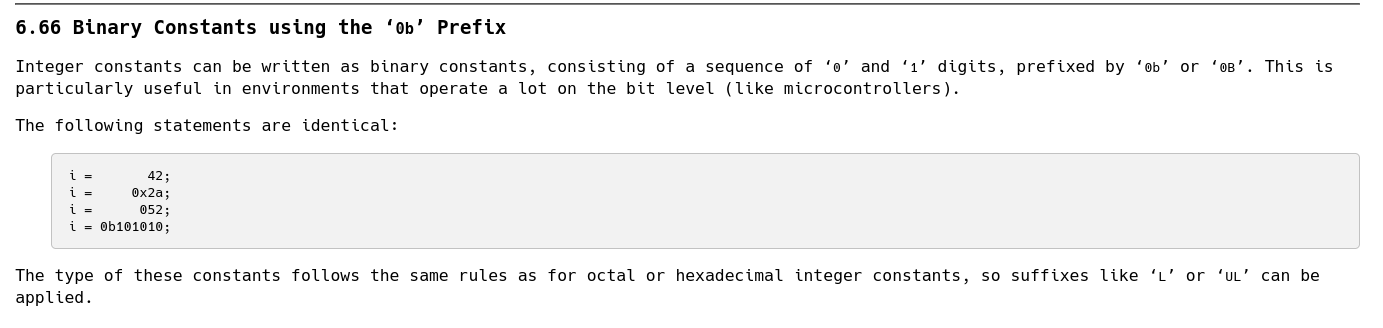
  I love how the gnu C documentation lists this particular page as number 6.66
┌─────────┐                                                            ┌───────────┐
│ similar │                       chronological                        │ different │
╘═════════╧══════════════════════════════──────────────────────────────┴───────────┘
 -> file: fediverse/4904
═════════════════════════════════════════════════════════───────────────────────────
  @user-1751

  proportion ally, there are more.
┌─────────┐                                                            ┌───────────┐
│ similar │                       chronological                        │ different │
╘═════════╧══════════════════════════════════════════════──────────────┴───────────┘
 -> file: fediverse/4679
════════════════════════════════════════════════════════────────────────────────────
  ┌─────────────────────────────────────────────────────────┐
  │ CW: re: AI-mentioned-crimes-mentioned-penises-mentioned │
  └─────────────────────────────────────────────────────────┘


  *but ritz, if you do the same thing every time, you'll get predictable*

  oh true. what if we cycled them and made it like a numbers station

  https://en.wikipedia.org/wiki/Numbers_station

  with auto-generated alterations
┌─────────┐                                                            ┌───────────┐
│ similar │                       chronological                        │ different │
╘═════════╧═════════════════════════════════════════════───────────────┴───────────┘
 -> file: fediverse/1984
════════════════════════════════════════════════────────────────────────────────────
  "mili" versus "mega" is a question of which direction you want to go.

  "mili" is less abstract - milimeters are smaller than meters.

  "mega" is more abstract - megabytes are bigger than bytes.

  we use "mili" terminology to describe things that are often considered small
  (like bacteria or sub-plutonic inches, or number of microbes in a vat)

  we use "mega" terminology to describe things that are often measured from small
  to large (like bytes to megabytes to kilobytes to gigabytes to terabytes to
  petabytes to... wait shit)
┌─────────┐                                                            ┌───────────┐
│ similar │                       chronological                        │ different │
╘═════════╧═════════════════════════════════════───────────────────────┴───────────┘
 -> file: fediverse/213
═══════════════════════════════════════─────────────────────────────────────────────
  ┌───────────────────────────────────┐
  │ CW: re: gaming-gambling-mentioned │
  └───────────────────────────────────┘


  [3] at the start of the tournament the total prize money P in the pool is
  assigned to N performance tiers, where N is the Number of attendees. at the
  top, the highest performing athlete will receive 200% of P while the lowest
  performing performance tier will be 0%. It is a non-discrete and gradual linear
  transition.
┌─────────┐                                                            ┌───────────┐
│ similar │                       chronological                        │ different │
╘═════════╧════════════════════════════────────────────────────────────┴───────────┘
 -> file: fediverse/1625
═══════════════════════════════════════════════─────────────────────────────────────
  ┌──────────────────────┐
  │ CW: mathematics      │
  └──────────────────────┘


  EDIT: Ooops, sorry, should have content warning'd this post

  two incredibly useful tools I found for boolean logic in mathematics:

  | f(x) | / | f(x) |

  or more visually:
  | f(x) |
  ---------
  | f(x) |

  this will return a 1 if f(x) evaluates to a non-zero value, and 0 if f(x)
  evaluates to zero. Pretend there's an infinitesimal at the bottom if you're one
  of those weirdos who think dividing by zero doesn't equal zero...

  the other tool is this:

  ( A * B ) + ( (1 - A) * C )

  or more visually:

  ( (0 + A) * B)
  + (1 - A) * C)

  This will evaluate to B if A is 1, and C if A is 0, essentially creating an "if
  true" check. Note that it doesn't work if A is neither zero nor one, but that's
  what the first tool's for.
┌─────────┐                                                            ┌───────────┐
│ similar │                       chronological                        │ different │
╘═════════╧════════════════════════════════════────────────────────────┴───────────┘
 -> file: fediverse/3324
══════════════════════════════════════════════════──────────────────────────────────
  @user-246

  If I follow correctly, the reason it's not is because you're dividing zero by
  two? meaning the magnitude of infinity would be zero.

  ... chat, is infinity just... zero, viewed from a different perspective?
┌─────────┐                                                            ┌───────────┐
│ similar │                       chronological                        │ different │
╘═════════╧═══════════════════════════════════════─────────────────────┴───────────┘
 -> file: messages/940
════════════════════════════════════════════════════════════════────────────────────
  *perfect*, we solved computation - just become a computer! easy!
┌─────────┐                                                            ┌───────────┐
│ similar │                       chronological                        │ different │
╘═════════╧═════════════════════════════════════════════════════───────┴───────────┘
 -> file: fediverse/6254
═════════════════════════════════════════════════════════════════════───────────────
  economies of scale come to mind
┌─────────┐                                                            ┌───────────┐
│ similar │                       chronological                        │ different │
╘═════════╧══════════════════════════════════════════════════════════──┴───────────┘
 -> file: fediverse/5189
════════════════════════════════════════════════════════════────────────────────────
  computer programming essentially boils down to putting the right values into
  the right datastructures at the right time and in the right order.

  If you count a function call as a datastructure, which I do, because I have
  opinions.
┌─────────┐                                                            ┌───────────┐
│ similar │                       chronological                        │ different │
╘═════════╧═════════════════════════════════════════════════───────────┴───────────┘
 -> file: fediverse_boost/186
◀═╦════════════════════[BOOST]══════════════════════─────────────────────────────┐
  ║ ┌──────────────────────────────────────────────────────────────────────────┐ │
  ║ │ Different websites following the election are showing very different     │ │
  ║ │ numbers.                                                                 │ │
  ║ └──────────────────────────────────────────────────────────────────────────┘ │
  ╠─────────┐                                                        ┌───────────┤
  ║ similar │                     chronological                      │ different │
  ╚═════════╧═══════════════════════════════════════─────────────────┴───────────┴─▶
 -> file: fediverse/3553
══════════════════════════════════════════════════──────────────────────────────────
  @user-381

  I have this notion about a math/CS curriculum where students build and program
  their own calculators. Once you make the calculator do it you never need to do
  it yourself again.

  for the same reason that "writing is thinking" is true, so too is "programming
  is calculation" true.

  by working through the steps required to produce a result, and *fully
  understanding each step*, they have a much more solid understanding of what's
  going on than if they practiced rote memorization (worse) or continual
  computation (better, not best tho)

  especially if every step of the way is accompanied with *visual* elements which
  show exactly what is happening. Some people are more visual, some people are
  more algorithmic, and finding a way to teach all types of people is a truly
  difficult and rewarding part of teaching.
┌─────────┐                                                            ┌───────────┐
│ similar │                       chronological                        │ different │
╘═════════╧═══════════════════════════════════════─────────────────────┴───────────┘
 -> file: fediverse/3320
══════════════════════════════════════════════════──────────────────────────────────
  Infinity is not the highest number.

  Infinity is not any number of numbers.

  Infinity is *all* of the numbers in one sigil.
┌─────────┐                                                            ┌───────────┐
│ similar │                       chronological                        │ different │
╘═════════╧═══════════════════════════════════════─────────────────────┴───────────┘
 -> file: fediverse/2840
═════════════════════════════════════════════════───────────────────────────────────
  ┌───────────────────────┐
  │ CW: re: yelling-scary │
  └───────────────────────┘


  @user-1209 @user-1074

  you can measure months numbering in the 20s and 30s
┌─────────┐                                                            ┌───────────┐
│ similar │                       chronological                        │ different │
╘═════════╧══════════════════════════════════════──────────────────────┴───────────┘
 -> file: fediverse/6269
═════════════════════════════════════════════════════════════════════───────────────
  what if the secret to LLM computation is to just not reduce the fractions and
  keep it all in english language ram
┌─────────┐                                                            ┌───────────┐
│ similar │                       chronological                        │ different │
╘═════════╧══════════════════════════════════════════════════════════──┴───────────┘
 -> file: fediverse/879
══════════════════════════════════════════──────────────────────────────────────────
  @user-501

  also it's only undefined behavior because the order of the bits aren't defined,
  so if you do bitfield "pointer arithmetic" then you're screwed if you try and
  be portable with it. However if you're just using bitfields as compressed data
  storage then you can safely access integer.a integer.b integer.c etc safely and
  easily. The compiler doesn't care what order they're in if you don't write
  logic that requires them to be in a certain order
┌─────────┐                                                            ┌───────────┐
│ similar │                       chronological                        │ different │
╘═════════╧═══════════════════════════════─────────────────────────────┴───────────┘
 -> file: fediverse/4306
═════════════════════════════════════════════════════───────────────────────────────
  ┌───────────────────────┐
  │ CW: cursing-mentioned │
  └───────────────────────┘


  operations: try not to use the last of anything, and always use last-time's
  last first.

  projects: you better clean your fucking plate because anything you don't eat is
  going in the TRASH
┌─────────┐                                                            ┌───────────┐
│ similar │                       chronological                        │ different │
╘═════════╧══════════════════════════════════════════──────────────────┴───────────┘
 -> file: fediverse/3322
╔═════════════════════════════════════════════════─────────────────────────────────┐
║ @user-246                                                                        │
║                                                                                  │
║ yes, when defining with numbers it's easy because one is one and that's done.    │
║                                                                                  │
║ with concepts such as infinity or direction or cardinality, it's more difficult  │
║ because you need more than just a "magnitude from zero" to describe them. Rules  │
║ means more contradictions, which is totally okay! It just means you need more    │
║ than one definition of "infinity" for example, for different contexts.           │
║                                                                                  │
║ use a scalpel for surgery or art, when precision is needed, use a pocket-knife   │
║ like a leather~~man~~daddy for tougher tasks like whittling a spear or throwing  │
║ a spear or stabbing fascists with spears - where was I going with this? oh yes:  │
║                                                                                  │
║ when thinking of sets, to me infinity is more like... "too many numbers" like,   │
║ the meme with the guy who is having difficulty holding too many limes. They      │
║ overflow and spill out of your set-like-container, no matter how you define the  │
║ boundaries of the set. "does the set of all sets include itself or does it       │
║ overflow" kinda vibe.                                                            │
║                                                                                  │
║ the idea of a chesspiece disagreeing with math lol!                              │
╠═════════╗                                                            ┌───────────┤
║ similar ║                       chronological                        │ different │
╚═════════╩══════════════════════════════════════──────────────────────┴───────────┘
 -> file: fediverse/4935
═════════════════════════════════════════════════════════───────────────────────────
  ... I think. I don't actually know how bitcoin works.
┌─────────┐                                                            ┌───────────┐
│ similar │                       chronological                        │ different │
╘═════════╧══════════════════════════════════════════════──────────────┴───────────┘
 -> file: fediverse/876
══════════════════════════════════════════──────────────────────────────────────────
  @user-246

  there is a reason to be annoyed, and that reason is that storing numbers as
  "dynamically typed" string values is both inefficient and frustrating due to
  the bugs it provokes.

  Not sure how common those bugs are in HTML, but dynamically typed languages
  like Python and Javascript have a whole class of potential errors that are
  significantly more difficult to debug than on C or Rust where the variables are
  statically typed
┌─────────┐                                                            ┌───────────┐
│ similar │                       chronological                        │ different │
╘═════════╧═══════════════════════════════─────────────────────────────┴───────────┘
 -> file: fediverse/3559
══════════════════════════════════════════════════──────────────────────────────────
  @user-1209

  like... var = x?? that doesn't make sense. Or like, 5 = var x? that feels
  *wrong*

  in programming = is assignment, not equality, which tripped me up for a bit.
  But if you read it left to right it's like X equals 5. Got it, now I know that
  X is the same as 5. Right?
┌─────────┐                                                            ┌───────────┐
│ similar │                       chronological                        │ different │
╘═════════╧═══════════════════════════════════════─────────────────────┴───────────┘
 -> file: messages/583
═════════════════════════════════════════════════════───────────────────────────────
  What if we taxed 100% of a farmer's profit so they were forced to sell their
  goods at 100% market rate with no markups and we paid them based on how much
  food they produced based on market factors that are calculated and constantly
  updated according to expected and desired demand
┌─────────┐                                                            ┌───────────┐
│ similar │                       chronological                        │ different │
╘═════════╧══════════════════════════════════════════──────────────────┴───────────┘
 -> file: fediverse/316
═══════════════════════════════════════─────────────────────────────────────────────
  ┌──────────────────────┐
  │ CW: mathematics      │
  └──────────────────────┘


  ask not "what can logarithms do for you" but rather "what shape does a
  logarithm make"
┌─────────┐                                                            ┌───────────┐
│ similar │                       chronological                        │ different │
╘═════════╧════════════════════════════────────────────────────────────┴───────────┘
|